A - Z Garden Bird Identification Index
(Aegithalos caudatus)
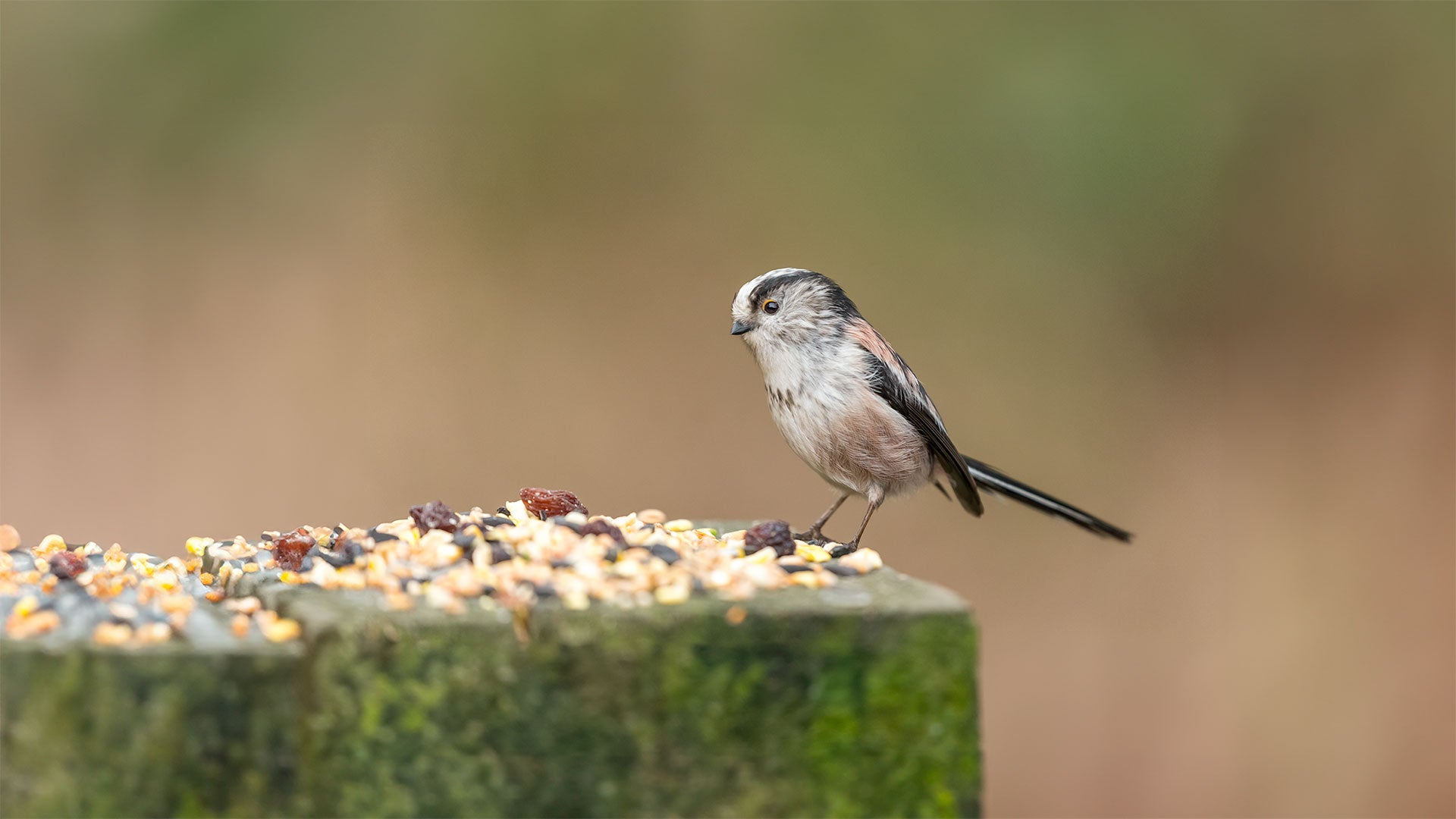
Long-Tailed Tits are small members of the tit family and are highly gregarious. They often arrive in numbers chirping to one another as they feed.
Long-Tailed Tit Identification: What does a long-tailed tit look like?
Length: 14cm.
The extremely long tail comprises over half the length of this species, and is a distinguishing feature. They have a white head, neck and under parts. Northern and Eastern forms have pure white heads, while the Western race has a black eye stripe and the Southern race a greyish eye stripe. The back is usually black but may sometimes be grey, the rump is pinkish and the under parts are white with pinkish flanks. The flight feathers are blackish-brown, the inner ones are edged with white. Young Long Tailed Tit’s have chocolate-brown sides of the head and nape, brown back and the remaining plumage is like that of the adults.
Their flight is slow, weak and undulating. In winter it forms flocks that fly in lines from one tree to the next.

Long tailed tits call and song - What does a long-tailed tit sound like?
They emit a soft ‘tupp’ and a ‘tsirup’. Their song is a combination of the call notes, but is rarely heard.
When and where do longtailed tits nest?
Breeding starts from March onwards. The nest is a large domed structure with a side entrance. It is built by both sexes, made of moss bound with spiders’ webs and hair. The outside is coated with lichen. It takes the birds up to three weeks to build. They are usually situated in brambles or thick bushes about a metre to five metres off the ground. They may also build their nest in a tree up to twenty meters from the ground.
They usually lay eight to twelve eggs (sometimes five to sixteen). The female mainly incubates from twelve to fourteen days. Both parents tend the young, who remain in the nest for fourteen days.
What do long tailed tit eggs look like?
Long tailed tits’ eggs are very small with a white and speckled appearance. Long tailed tits tend to lay between 8 and 12 eggs at a time although they may lay as many as 15.
Long tailed tit habitat
Likes coniferous and deciduous woods and scrub. Less often seen in parks and gardens than other tits.

What do Long tailed tits eat in the wild?
In the wild, long-tailed tits primarily eat small insects and spiders, which make up the bulk of their diet. During the breeding season, they focus on protein-rich foods like caterpillars, aphids, and other larvae to feed their young. In winter, when insects are scarce, they supplement their diet with seeds, suet, and berries from shrubs such as hawthorn or bramble. Their natural foraging behavior involves searching tree branches, shrubs, and hedgerows for food.
What to feed long tailed tits in the garden?
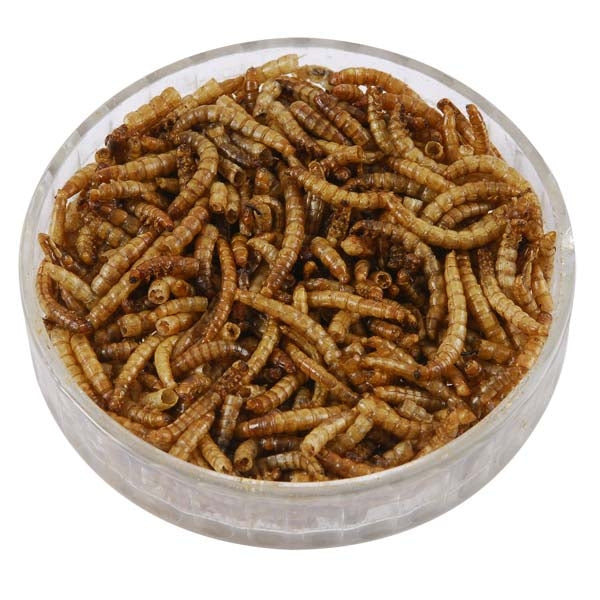
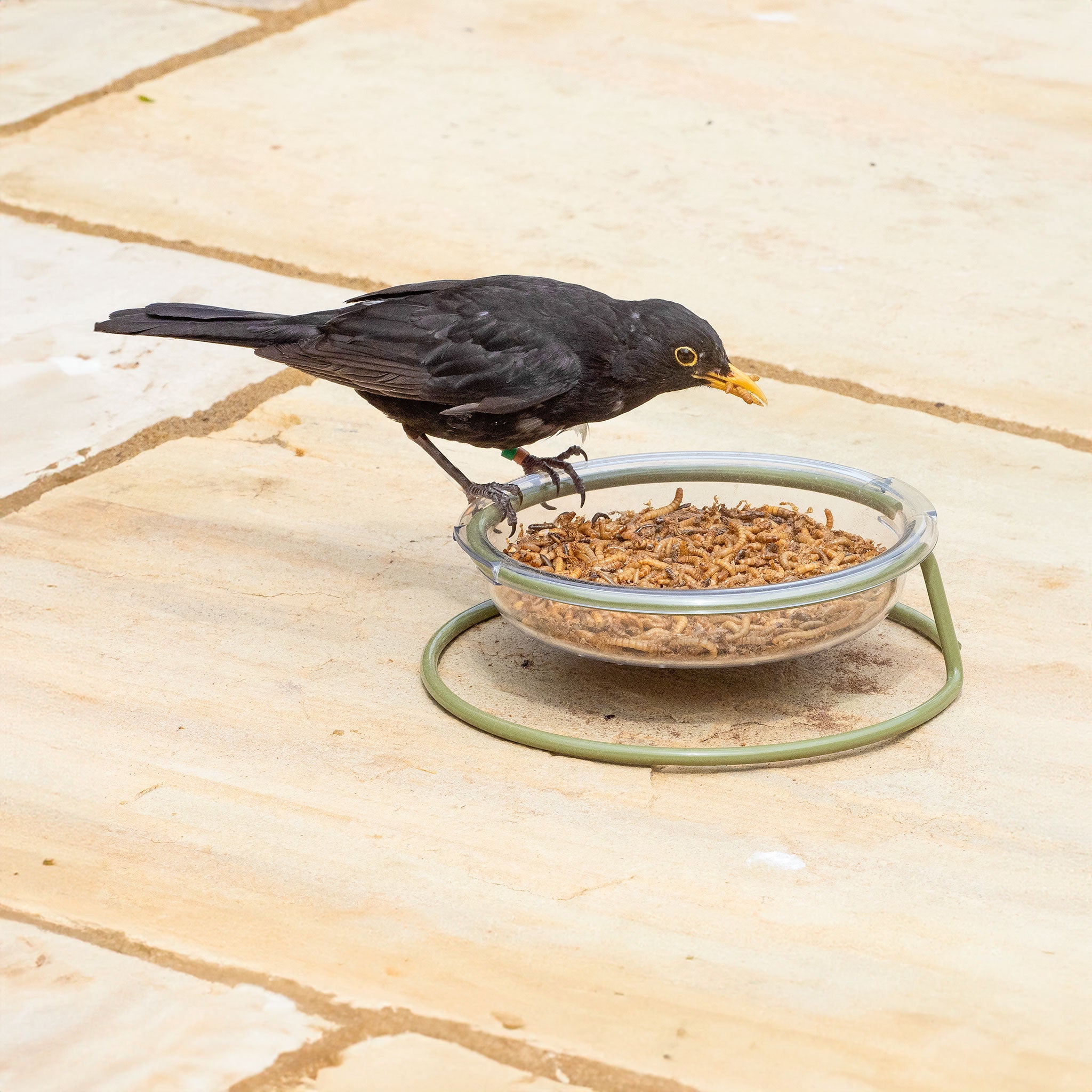
Dried Mealworms
- Regular price
- From £4.25
- Sale price
- From £4.25
- Regular price
-
- Energising: provides the same high levels of energy as live insects
- Protein-packed: a highly valuable source of protein for insect-eating garden birds
- Versatile: a tasty and appealing treat for a range of wild birds
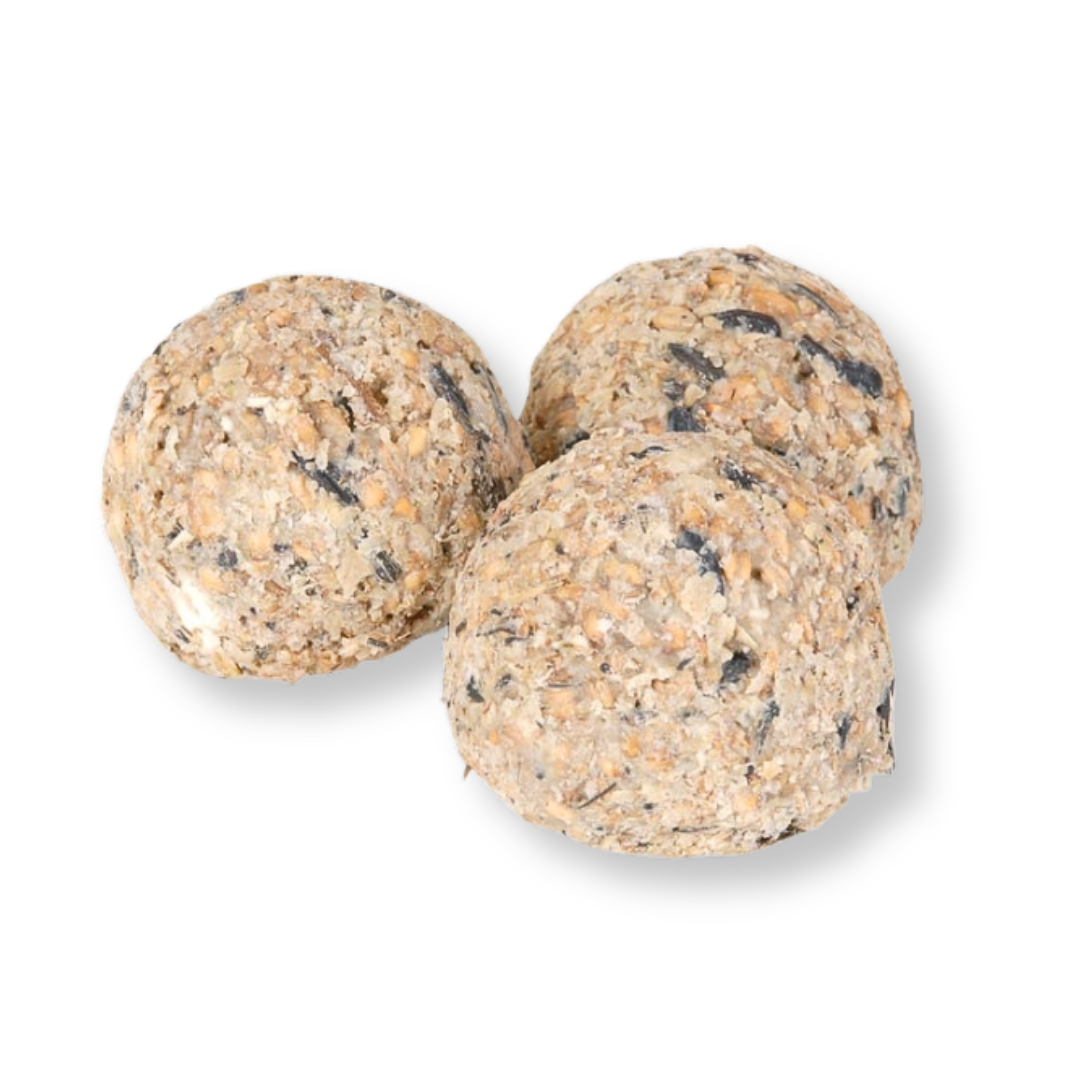
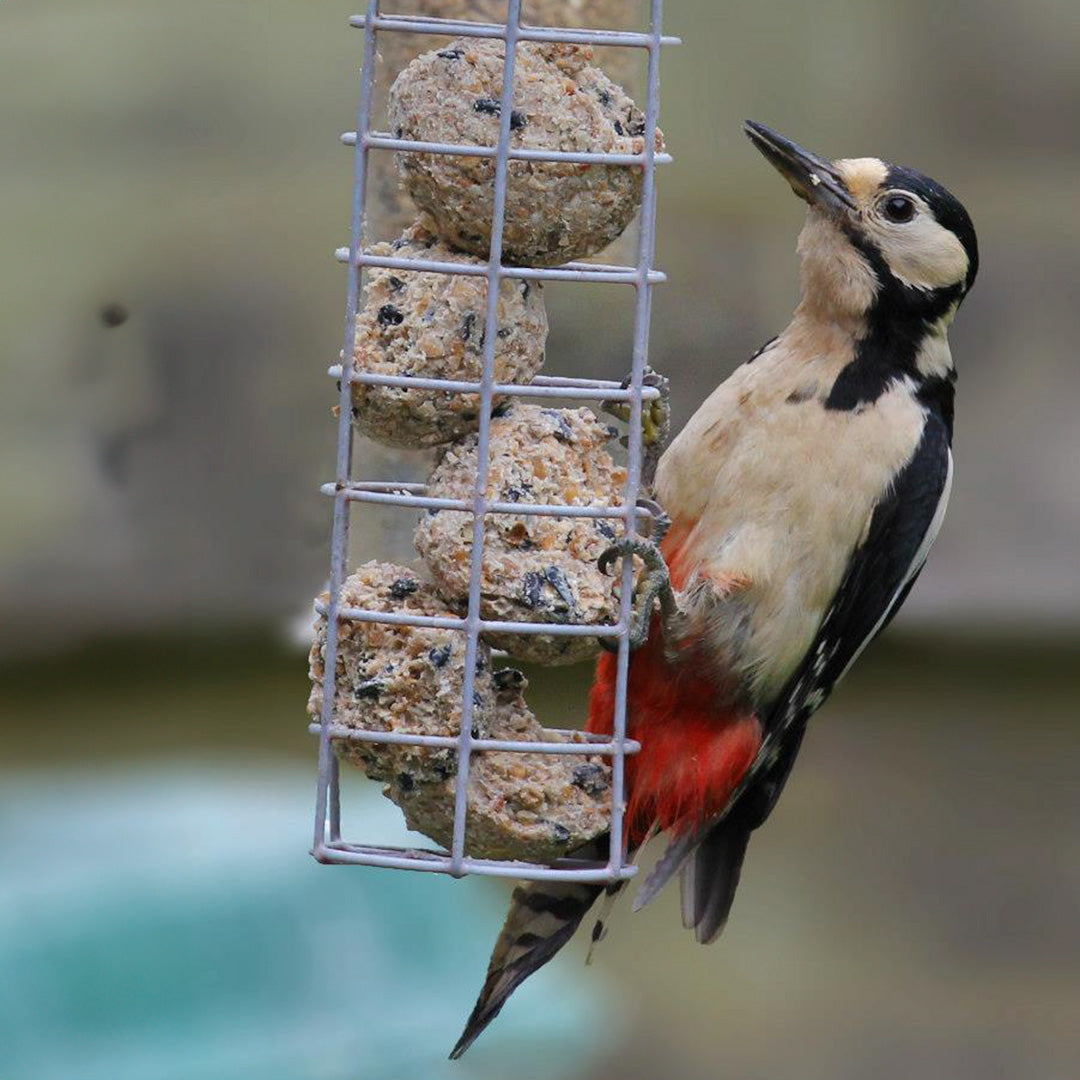
Ark Premium Fat Balls
- Regular price
- From £5.50
- Sale price
- From £5.50
- Regular price
-
- Exceptional: with higher fat content than most fatballs available, for a softer consistency
- High Fat Content: The `fat` in a fat ball is what gives birds energy. The more the better!
- Versatile: attracts a wide variety of wild birds to your garden
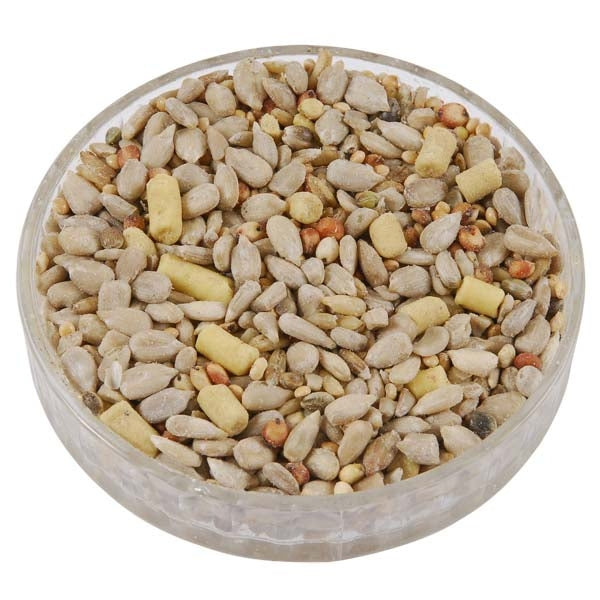
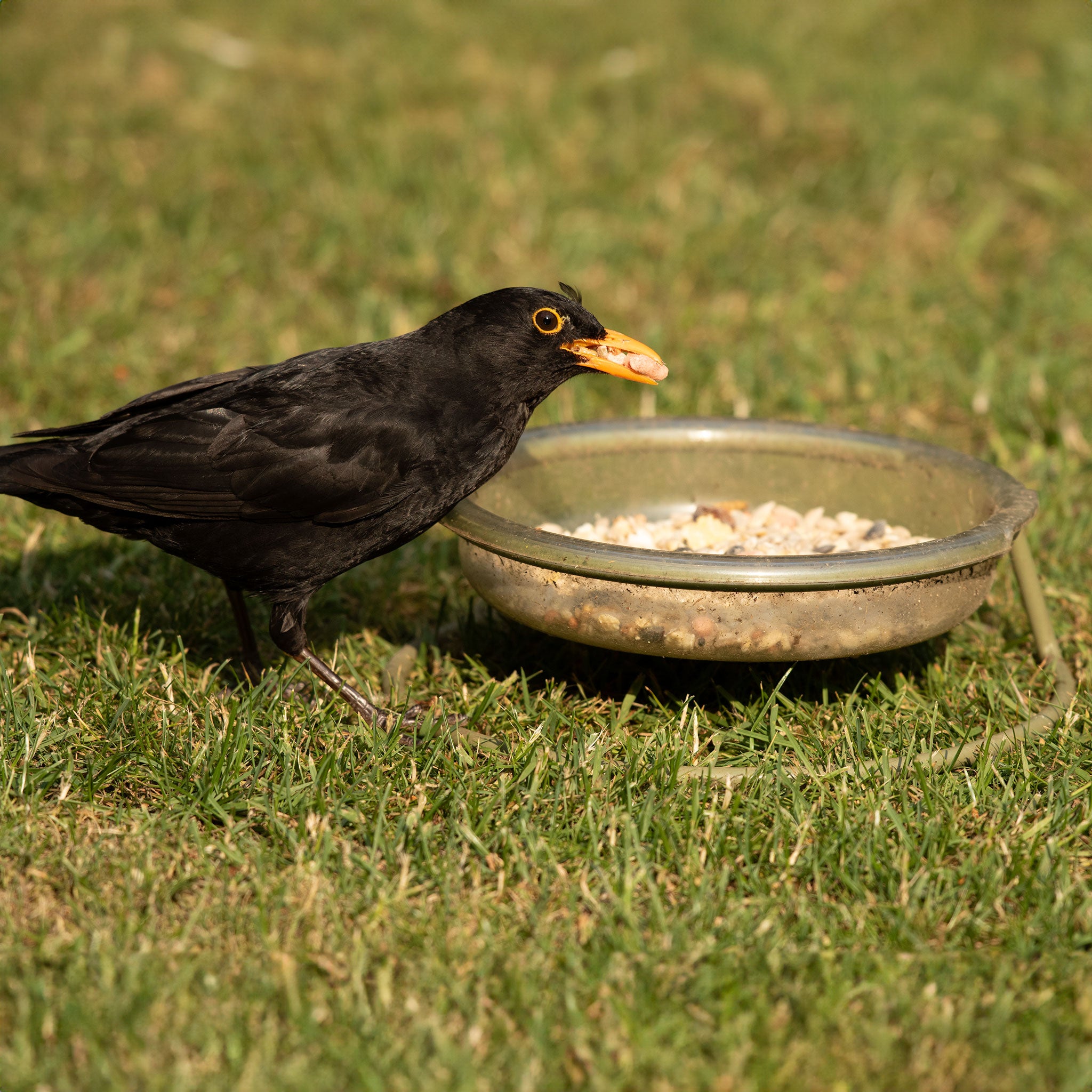
Ark Hearty™ Suet Mix
- Regular price
- From £6.10
- Sale price
- From £6.10
- Regular price
-
- Versatile: attracts a wide variety of birds to your garden
- High-quality: a carefully blended mix of only the most premium seeds
- Caring: no fillers as these offer no nutritional value
Where should you feed long tailed tits?
Feeders – Ideally above 1m in height
Table – Covered
Ground – Not suitable
How to attract long tailed tits to your garden
Provide high-energy foods like suet balls, fat cakes, and sunflower hearts in feeders. They are especially drawn to suet-filled coconut shells or hanging feeders with multiple access points. Plant native shrubs and trees like hawthorn, bramble, or hazel to offer natural food sources such as berries and insects, while also providing shelter. These sociable birds often visit in flocks, especially in winter, so consistency in feeding is key to keeping them around.