Insect Food

Specially formulated, insect foods attract and nourish a wide array of insects into your garden. These clever concoctions are tailor-made for different creepy-crawlies, safe for all garden critters, and help create a thriving ecosystem. Good for bugs, great for your garden!

Read More
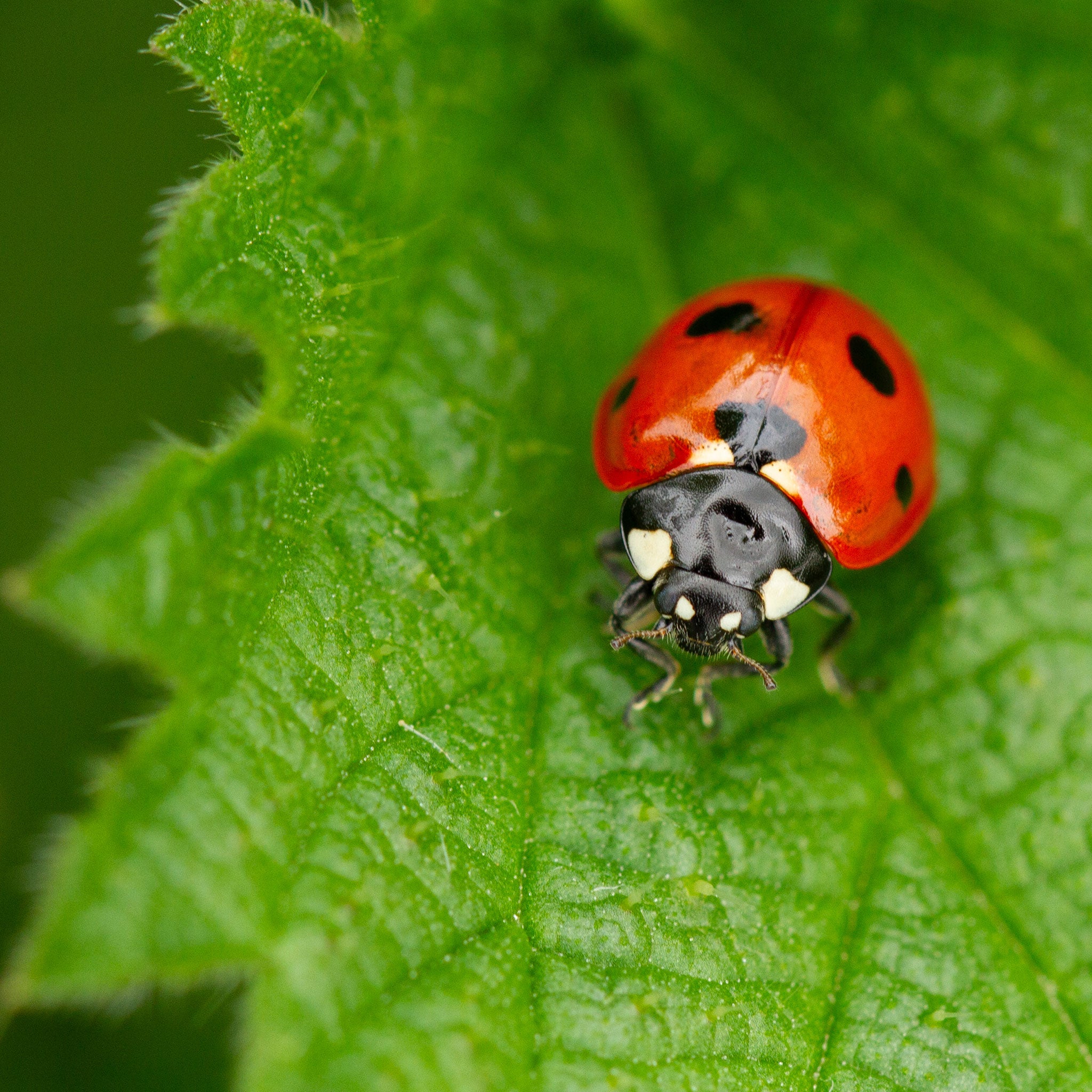
Ladybird on green leaf

Showing 1-2 of 2 products

Sort by:
Sort

Sort

Showing 2 of 2 products

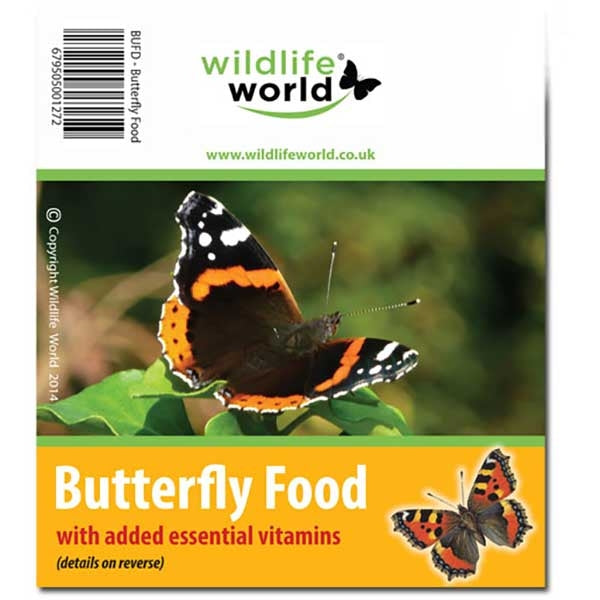
  • Butterfly Food

    Butterfly Food

    Regular price
    £4.95
    Sale price
    £4.95
    Regular price
    • Nutritious: Food with added essential vitamins
    • Attractive: Added attractant encourages more butterflies
    • Natural: 100% natural
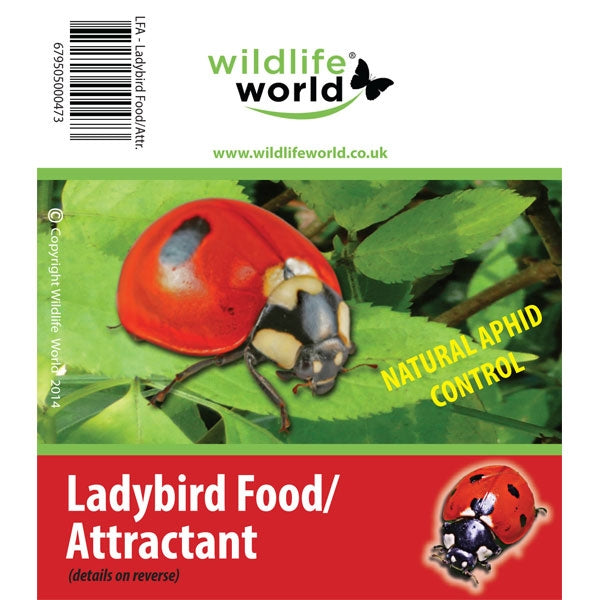
  • Ladybird Food Attractant

    Ladybird Food Attractant

    Regular price
    £5.95
    Sale price
    £5.95
    Regular price
    • Encourage ladybirds into your garden
    • Natural aphid control
    • For use early Spring onwards

Showing 1-2 of 2 products

Insect foods are a fantastic way to support the littlest visitors in your garden. From colourful butterflies to dainty ladybirds, insect food and attractants ensure that your garden has a thriving ecosystem.

Helpful visitors

Insects play a vital role in your garden. Whether pollinating plants, protecting against invasive species, or just looking beautiful, these tiny visitors are constantly giving back to their surroundings. Insects are also a natural food source for other garden wildlife, so having an abundance of bugs is great for attracting other birds and wildlife to your outdoor space.

Insect food with Ark Wildlife

At Ark Wildlife we know that caring for the smallest visitors can make a huge difference to your garden. That's why our insect grub comes from trusted suppliers - you can rest easy knowing you're doing right by wildlife every time you use it. Super simple to store, prep and pop out, insect food is a quick and easy way to top up bug diets when natural food sources are low.

Specially formulated

Insect foods are expertly designed to cater to the needs of specific insects, such as butterflies, moths and ladybirds. These recipes are formulated so that sugars don’t crystallise in the stomach of an insect, making sure that your garden's tiny residents can safely tuck in. The food is also carefully crafted to be non-toxic to other wildlife, so you know that your garden can continue to welcome a variety of creatures.

FAQs

Find answers to our most frequently asked questions.

If you cannot find the answer to your query within these FAQ’s please call our customer service team on free phone 0800 085 4865 between 9.00am – 5.00pm Monday to Friday and we’ll be happy to answer your questions.

Read all FAQs

Outside of office hours please complete the form on our Contact Us page and we will respond to your request within 1 working day of our return.

Do insects pollinate plants?

Yes - Insects such as bees, butterflies, beetles, moths and flies pollinate plants and flowers by carrying pollen.

What is pollination?

Pollination is where pollen is transferred from the male part of a flower (stamen), to the female part (stigma), of either the same or a different flower. This is how plants are fertilised enabling them to create fruits and seeds for reproduction.

Can insects protect against invasive species?

Some insects can help protect against invasive species by preying on them or by competing with them for resources, in turn helping to control populations.

What type of food do insects eat?

Insects eat a wide variety of foods including nectar, pollen, plant leaves, other insects and animal waste.

Can I feed insects the way I feed birds?

Not usually. For most garden insects, providing suitable plants and natural habitat is more beneficial than offering supplementary food. Nectar-rich flowers provide essential food for pollinators, while different plants flowering from early spring through to autumn can support insects throughout the season. Butterfly feeders and nectar mixes can have a place in the garden, but they should complement rather than replace good planting. A diverse range of flowering plants is one of the most effective ways to support garden insects.

What helps pollinators the most?

Providing a good range of flowering plants throughout the year, particularly in early spring and late summer, can make a real difference to garden pollinators. Many gardens have plenty of flowers in June but fewer sources of nectar in March or September, when emerging queen bumblebees and other insects may still need food. Allow herbs such as oregano, marjoram, thyme and lavender to flower, and consider leaving ivy to bloom in autumn, as its flowers can provide an important late-season nectar source.

Should I be feeding butterflies sugar water?

Sugar water is best reserved for butterflies that are exhausted, grounded or found indoors, rather than as a regular food source. In these situations, a very dilute plain sugar solution can provide temporary energy while the butterfly recovers. For garden butterflies, nectar-rich plants are much more beneficial, with buddleia, verbena and ivy providing useful sources of nectar at different times of year. Avoid honey, as it can carry microorganisms that may be harmful to insects.

Should I put food in an insect house?

You should not put food inside an insect house. Solitary bees provision their nesting cells with pollen they collect themselves, while other insects using the house find their own food nearby. Adding food or other materials can introduce moisture and encourage mould or spoilage. An insect house is primarily there to provide shelter and nesting spaces, so the best way to support its occupants is to provide suitable flowering plants and natural habitat nearby.

FREE Express Delivery Over £40

To most UK postcodes

60-Day Money Back Guarantee

Buy with confidence

Over 500,000 Satisfied Customers

Quality at the heart of everything we do

Rated 4.9/5 for Customer Service

Verified independent reviews