Natural Fertilisers

Traditional plant fertilisers are oil based and non-sustainable. Additionally, they typically only provide macronutrients such as NPK which leaves plants short of the full range of nutrition they need. This is why compost in pots and containers needs changing regularly because they become exhausted.
Read More
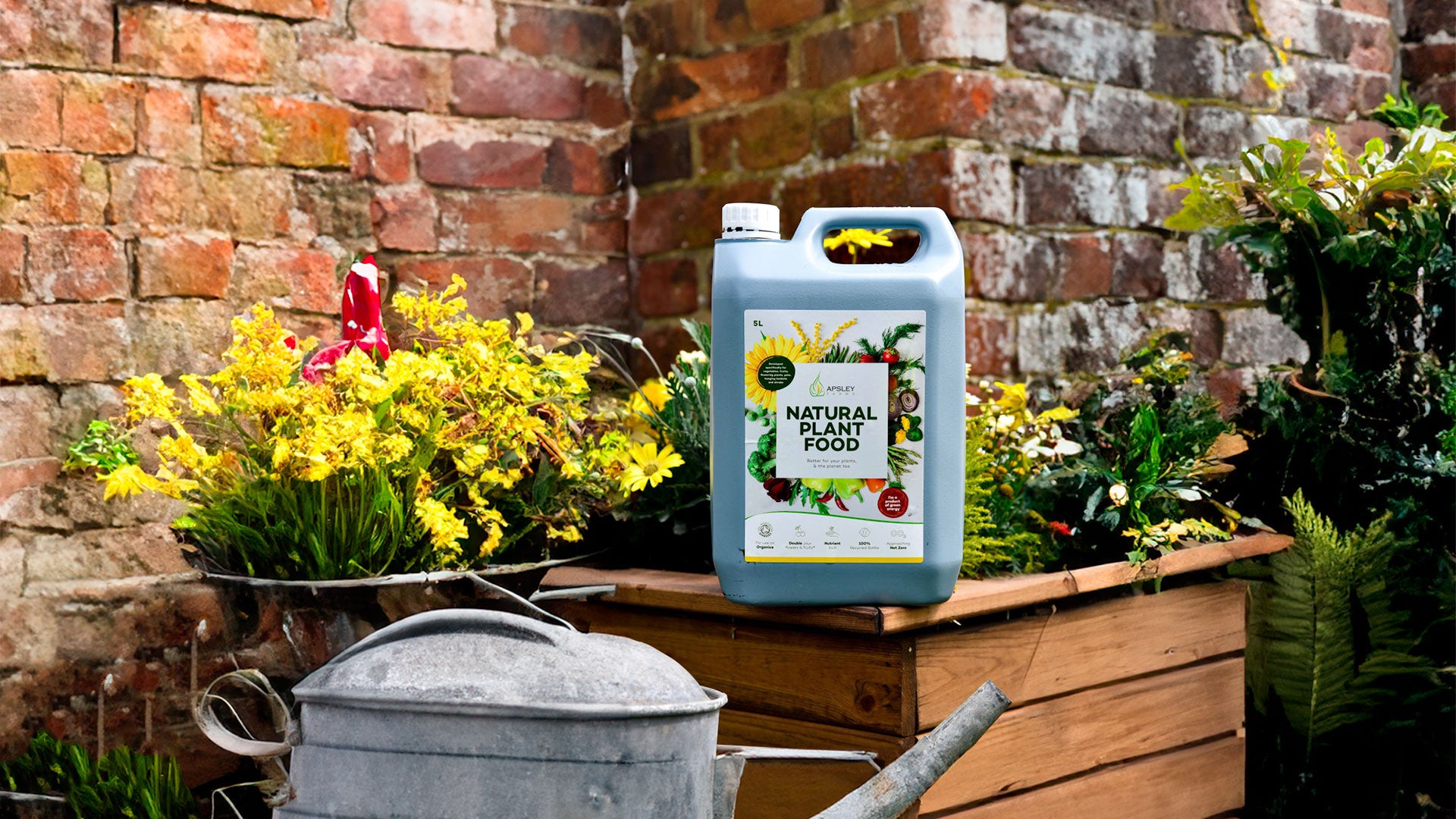
Cartoon of Natural Plant Food on flower bed

There are no products in this collection yet

Better quality plant fertlisers and feeds may be fortified with concentrated seaweed but better still are plant feeds derived from organic fermented plant material because these contain all the nutrients plants need to grow better, bigger and stronger. They are also more resilient against pests and diseases and veg tastes great.

Better still many contain living microbes and mycorrhizal fungi which are soil enhancers, making composts and garden soils improve over time, rather than diminish.

FAQs

Find answers to our most frequently asked questions.

If you cannot find the answer to your query within these FAQ’s please call our customer service team on free phone 0800 085 4865 between 9.00am – 5.00pm Monday to Friday and we’ll be happy to answer your questions.

Read all FAQs

Outside of office hours please complete the form on our Contact Us page and we will respond to your request within 1 working day of our return.

What makes a fertiliser wildlife-friendly?

Wildlife-friendly fertilisers generally release nutrients gradually and support healthy soil rather than providing a quick burst of nutrients. Organic matter such as homemade compost and well-rotted manure can improve soil structure while releasing nutrients more slowly. Avoid applying more fertiliser than plants need, as excess nutrients can be washed into ponds and watercourses. In gardens with amphibians and other wildlife, feeding the soil naturally and using fertiliser sparingly can help support a healthier garden ecosystem.

Should I feed a wildflower area?

Generally, no. Many wildflowers are better suited to low-nutrient soil, where they have less competition from vigorous grasses and other plants. Adding fertiliser can encourage grasses to dominate, reducing the variety of wildflowers over time. Instead, rake up and remove grass cuttings after mowing to gradually reduce soil fertility. When creating a new wildflower area, removing turf and, where appropriate, some topsoil can help create the leaner conditions many wildflower species prefer.

FREE Express Delivery Over £40

To most UK postcodes

60-Day Money Back Guarantee

Buy with confidence

Over 500,000 Satisfied Customers

Quality at the heart of everything we do

Rated 4.9/5 for Customer Service

Verified independent reviews