Seed Balls & Bombs

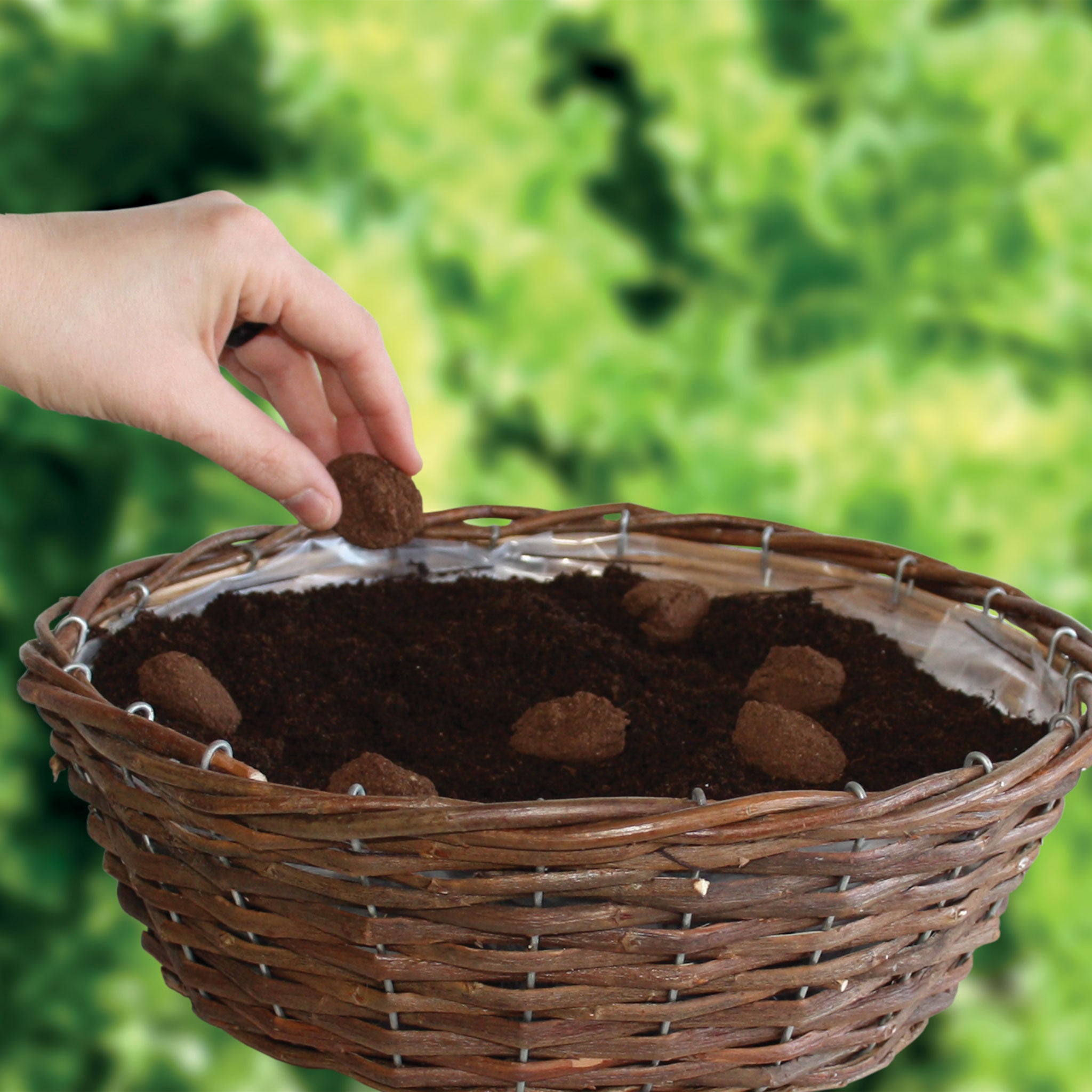
Seed balls and bombs are nature's compact powerhouses. These innovative products combine native wildflower seeds, compost, and clay into ready-to-grow packages. Designed for effortless dispersal, they offer a simple yet powerful method to transform spaces into thriving habitats, supporting pollinators and wildlife with minimal intervention.
Read More
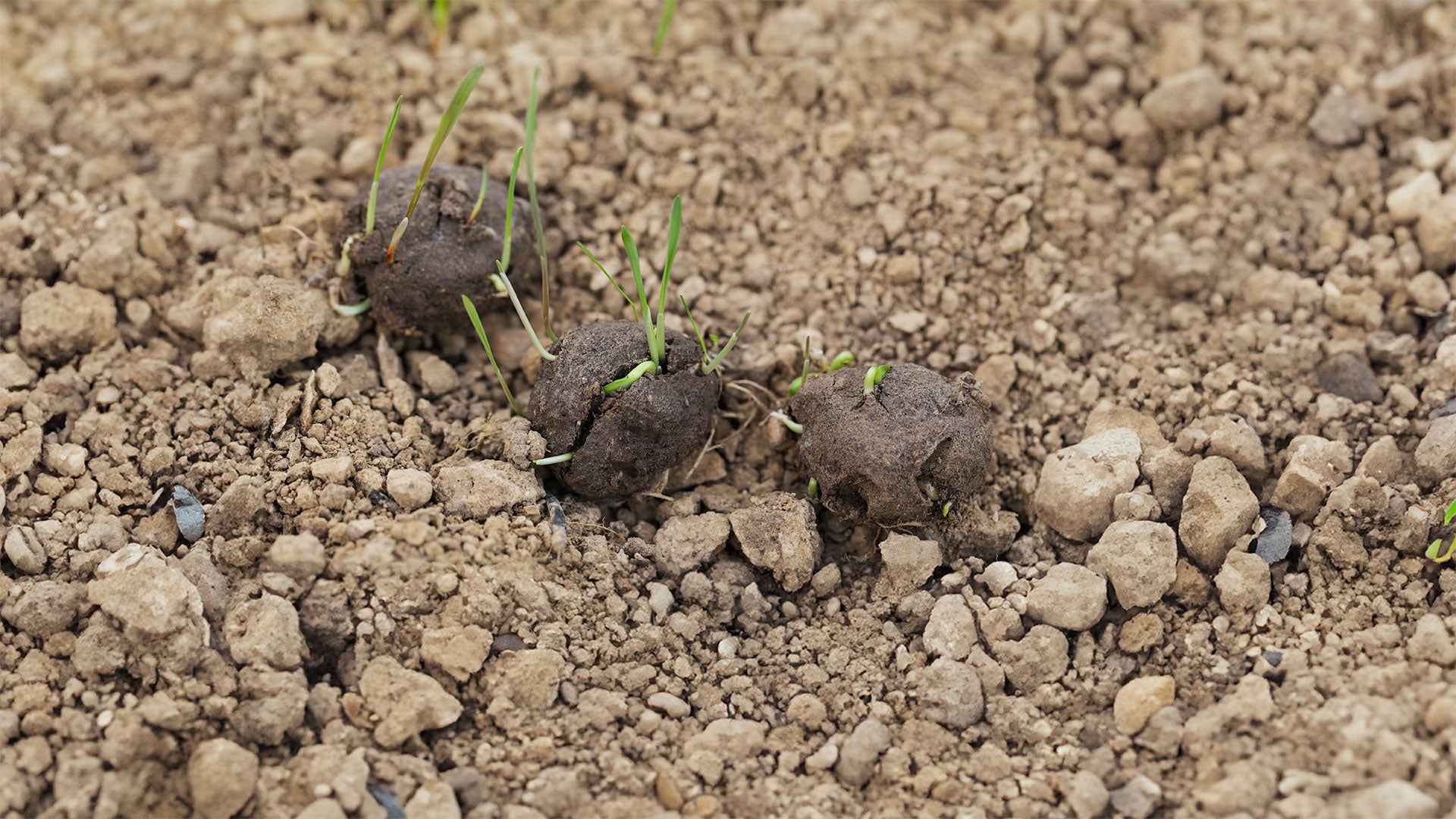
Seed ball sprouting

Showing 1-4 of 4 products

Sort by:
Sort

Sort

Showing 4 of 4 products

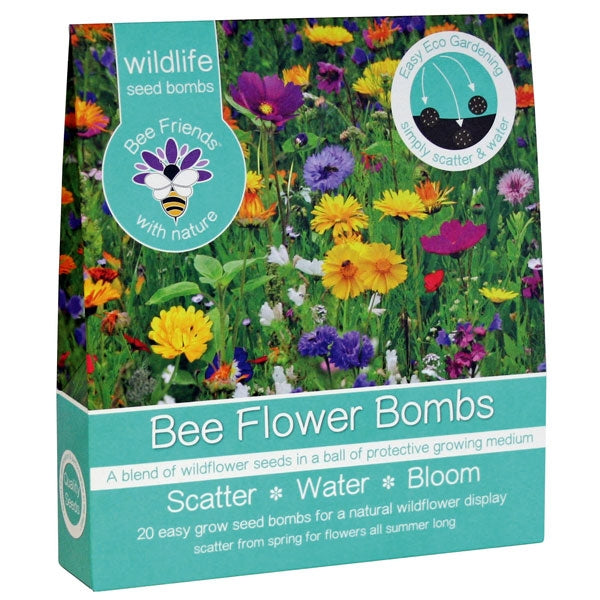
  • Bee Friends™ Bee Seed Bombs

    Bee Friends™ Bee Seed Bombs

    Regular price
    £6.95
    Sale price
    £6.95
    Regular price
    • Attractive: A range of beautifully coloured scented flowers
    • Annual Growth: Simply scatter and let nature do it`s work
    • Supportive: Contains 20 seed bombs packed with bee friendly flowers
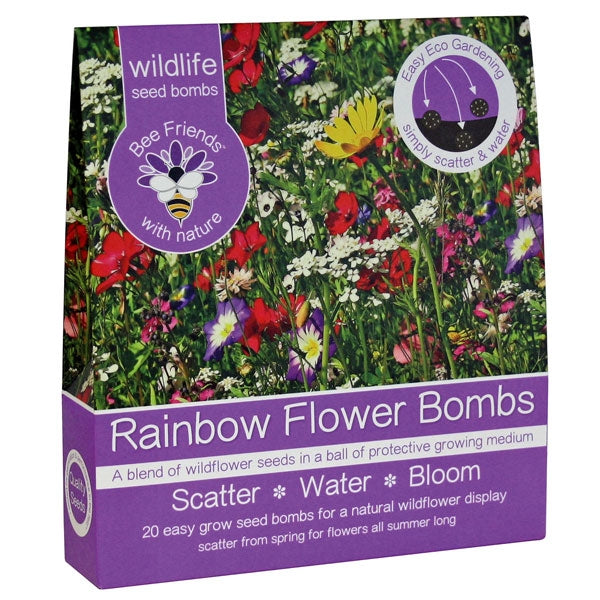
  • Bee Friends™ Rainbow Seed Bombs

    Bee Friends™ Rainbow Seed Bombs

    Regular price
    £6.95
    Sale price
    £6.95
    Regular price
    • Attractive: A range of beautifully coloured scented flowers
    • Annual Growth: Simply scatter and let nature do it`s work
    • Supportive: Contains 20 seed bombs packed with pollinator friendly flowers
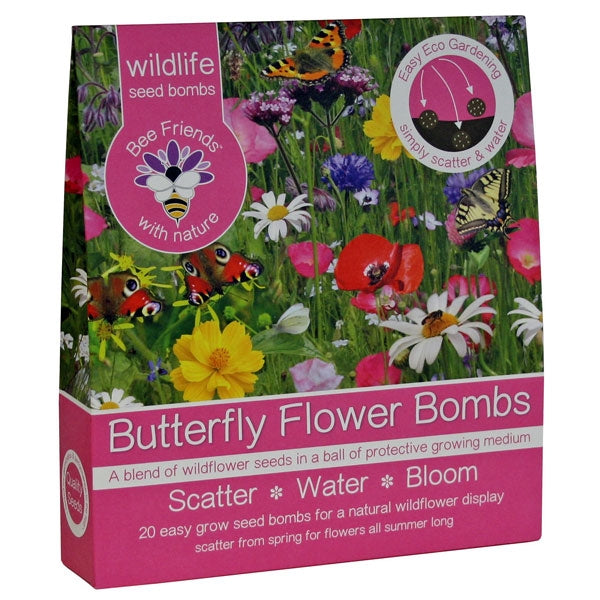
  • Bee Friends™ Butterfly Seed Bombs

    Bee Friends™ Butterfly Seed Bombs

    Regular price
    £6.95
    Sale price
    £6.95
    Regular price
    • Attractive: A range of beautifully coloured scented flowers
    • Annual Growth: Simply scatter and let nature do it`s work
    • Supportive: Contains 20 seed bombs packed with butterfly friendly flowers
  • Seedball Wildflower Tins

    Seedball Wildflower Tins

    Regular price
    £6.25
    Sale price
    £6.25
    Regular price
    • Beginner Friendly: Incredibly simple to use, just scatter on bare soil
    • Attractive: Delightfully scented and great for wildlife Various
    • Possibilities: Each variety contains many different plant species
Showing 1-4 of 4 products

Having a variety of beautiful plants and flowers in your garden is a sure-fire way to encourage a variety of wildlife to visit your garden. Seed balls, bombs and mats are a quick and easy way to plant a mix of beautiful, bee friendly flowers that will brighten up your garden year after year.

Welcoming wildlife

Seed bombs and balls are a simple way to help wildlife. Easy to use, they can be scattered directly on top of the soil, with no need to prepare the ground or bury them, leaving nature to take its course. Seed mats are biodegradable seed carpets that are filled with seeds for plants and flowers that will attract bees, butterflies and other bugs. These simple solutions can turn your garden into a haven for pollinating insects- and the animals that eat them!

Growing your garden with Ark Wildlife

We understand the important role that plants and flowers play in your garden. A variety of flowers and plants helps to build a thriving ecosystem, encouraging insects, and in turn encouraging other wildlife. The seed balls, bombs and mats are just another way that make giving back to the wildlife in your garden that little bit easier.

Germination for beginners

Seed balls, bombs and mats are designed to create a beautiful blanket of flowers in your garden. These clever little blighters are designed specially to help the seeds germinate without a hitch. With a mix of plants that will have the bees and butterflies buzzing with joy. In turn, filling your garden with the sites and sweet smells of a flower bed that does so much more than simply look pretty!

FAQs

Find answers to our most frequently asked questions.

If you cannot find the answer to your query within these FAQ’s please call our customer service team on free phone 0800 085 4865 between 9.00am – 5.00pm Monday to Friday and we’ll be happy to answer your questions.

Read all FAQs

Outside of office hours please complete the form on our Contact Us page and we will respond to your request within 1 working day of our return.

Do seed bombs actually grow?

Yes, seed bombs can grow successfully, but their success depends more on where they land than how they are scattered. Seeds need suitable soil, light and moisture to germinate, so seed bombs are less likely to establish on dense, established turf where grass and other plants are already competing for space. For the best chance of success, use them on bare or lightly vegetated soil in a sunny spot. Autumn or early spring can be suitable times to sow, depending on the seed mix.

Where should I throw seed bombs?

Choose bare or lightly vegetated ground rather than established grass, as seeds need space, light and access to moisture to germinate successfully. Sunny, disturbed areas such as a cleared corner, neglected border or open patch beside a shed can provide suitable conditions. It is also important to consider the soil and conditions of the site, as different wildflower mixes suit different environments. Check the seed mix before sowing and choose a location that matches its growing requirements.

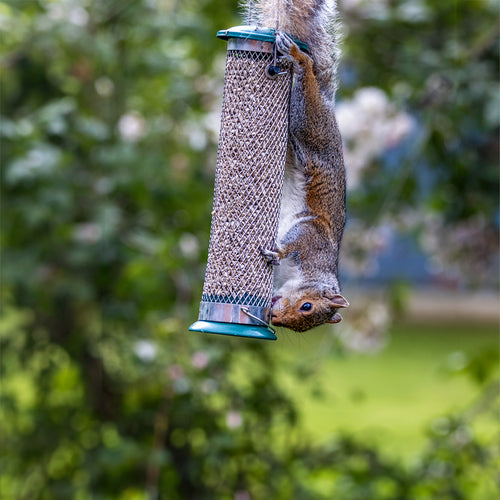
Why did the birds eat my seed bombs?

Birds may eat seed bombs once the outer coating breaks down and the seeds become exposed on the surface. Sparrows, starlings and other seed-eating birds may quickly spot and feed on loose seed, particularly after rain has softened or washed away the coating. Lightly pressing seed bombs into the soil can help keep the seeds less exposed while they begin to germinate. Some seed loss is natural, so sowing a few extra can help improve the chances of successful growth.

Can I throw seed bombs anywhere?

No, only use seed bombs on land where you have permission to sow them. Introducing seeds to someone else’s land, public verges or managed habitats can introduce plants that are unsuitable for the area and may affect existing wildlife and plant communities. Your own garden is the simplest place to use them. If you would like to sow seed bombs elsewhere, always ask the landowner or relevant authority for permission first and check that the seed mix is suitable for the habitat.

How long until the seed bombs grow?

Give seed bombs a full growing season before deciding whether they have worked. Annual wildflowers may germinate within a few weeks in warm, damp conditions and flower during the summer, while perennial species can take longer to establish and may show little growth in their first year. If conditions remain dry after sowing, water the area gently to help the seeds germinate. Be patient, as some perennial wildflowers become much more noticeable during their second year.

FREE Express Delivery Over £40

To most UK postcodes

60-Day Money Back Guarantee

Buy with confidence

Over 500,000 Satisfied Customers

Quality at the heart of everything we do

Rated 4.9/5 for Customer Service

Verified independent reviews