Badger Food

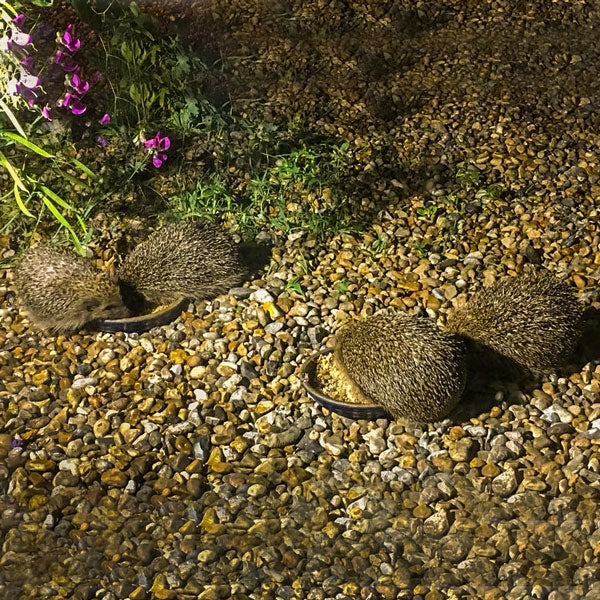
If you are lucky enough to have badgers visiting your garden, you may be wondering what they eat. Badgers are omnivores, which means that they eat almost anything. They relish juicy earthworms, which form the main part of their diet, alongside slugs and insects. You can offer some Ark Badger Food or peanut kernels if natural food is scarce.

Read More
Badger Food

Showing 1-8 of 8 products

Sort by:
Sort

Sort

Showing 8 of 8 products

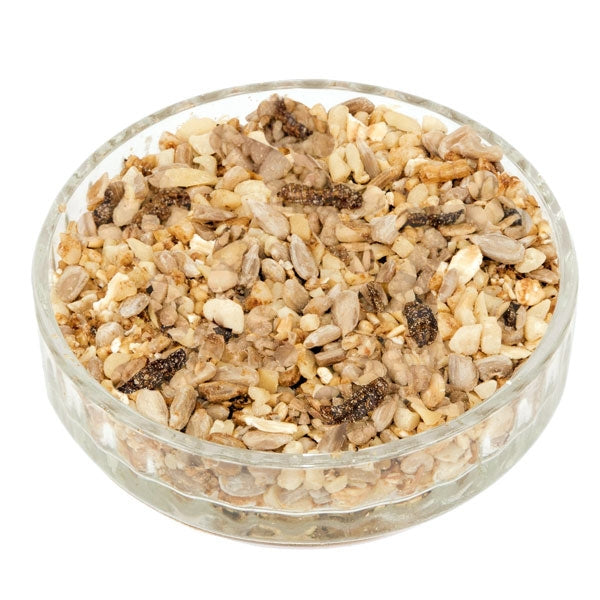
  • Ark Badger Food

    Ark Badger Food

    Regular price
    From £6.25
    Sale price
    From £6.25
    Regular price
    • High-quality: packed with quality peanuts for optimal nutrition
    • Enticing: attract badgers into your garden with their favourite food
    • Complete: highly palatable but balanced for healthy feeding
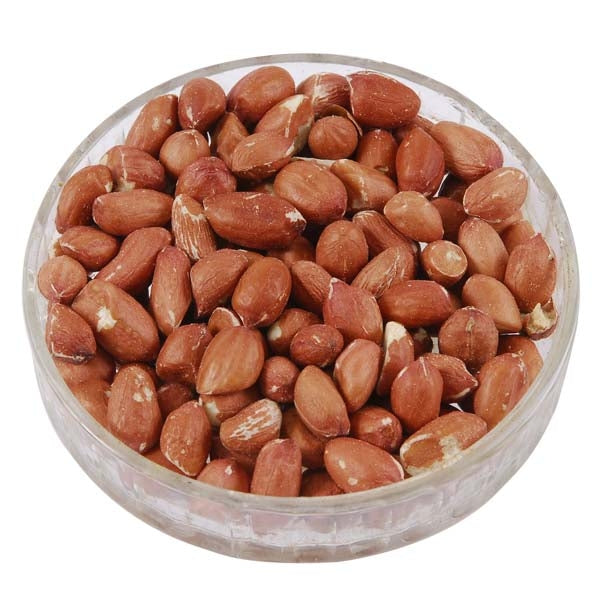
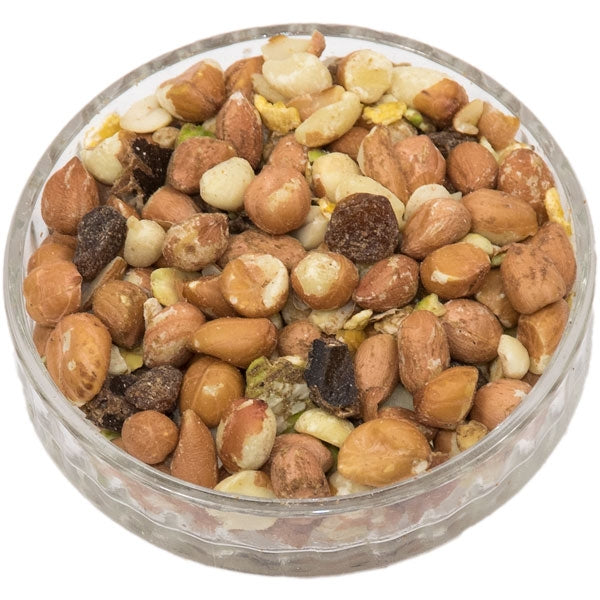
  • Classic Peanut Kernels

    Classic Peanut Kernels

    Regular price
    From £5.90
    Sale price
    From £5.90
    Regular price
    • Classic Mixed Crops: always premium oil and protein content
    • Natural: perfectly misshapen and varied in size
    • Quality-checked: free from aflatoxins and bird safe
  • Ark Insectivore Food

    Ark Insectivore Food

    Regular price
    From £7.20
    Sale price
    From £7.20
    Regular price
    • Nourishing: fortified with protein, calcium and probiotics for bird health
    • Wildlife-focused: help insect eaters when their natural food is scarce
    • Versatile: a highly palatable food supplement for insect eating birds and mammals
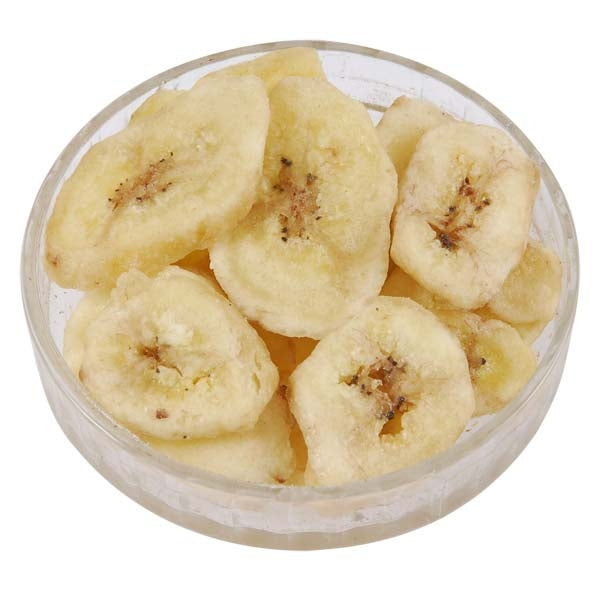
  • Dried Banana Chips

    Dried Banana Chips

    Regular price
    From £9.70
    Sale price
    From £9.70
    Regular price
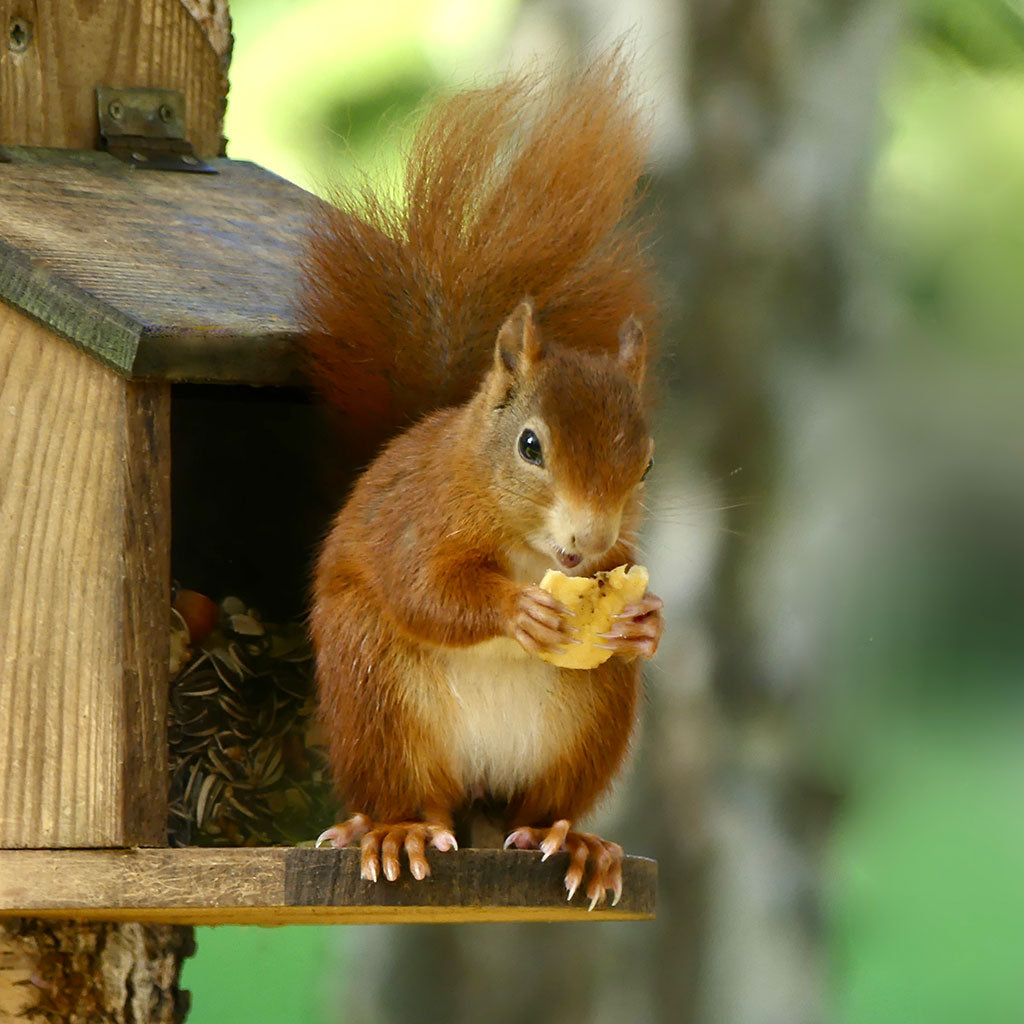
    • Sweet Tooth: Small animals appreciate variety in their diet, suitable for feeding on their own, or with other mixes
    • 100% Natural: Always made with the freshest natural ingredients
    • A Little Treat: Enjoyed by squirrels, many large birds and badgers
  • Raisins

    Raisins

    Regular price
    From £4.75
    Sale price
    From £4.75
    Regular price
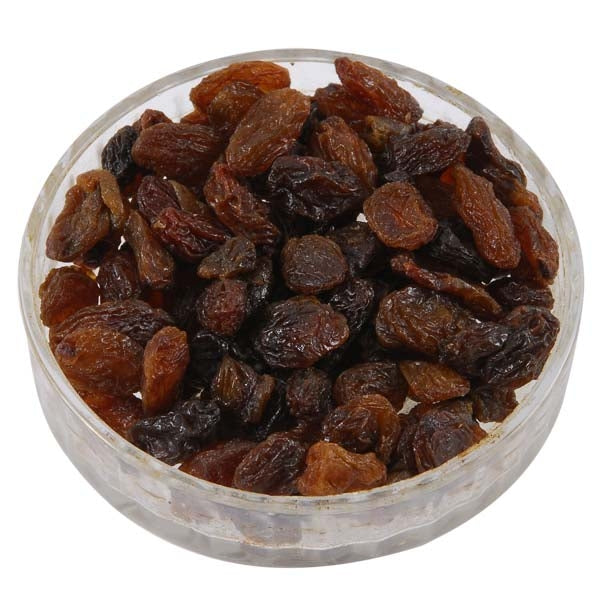
    • Fruity-goodness: ideal for when native fruits are out of season
    • 100% natural: always made with the freshest natural ingredients
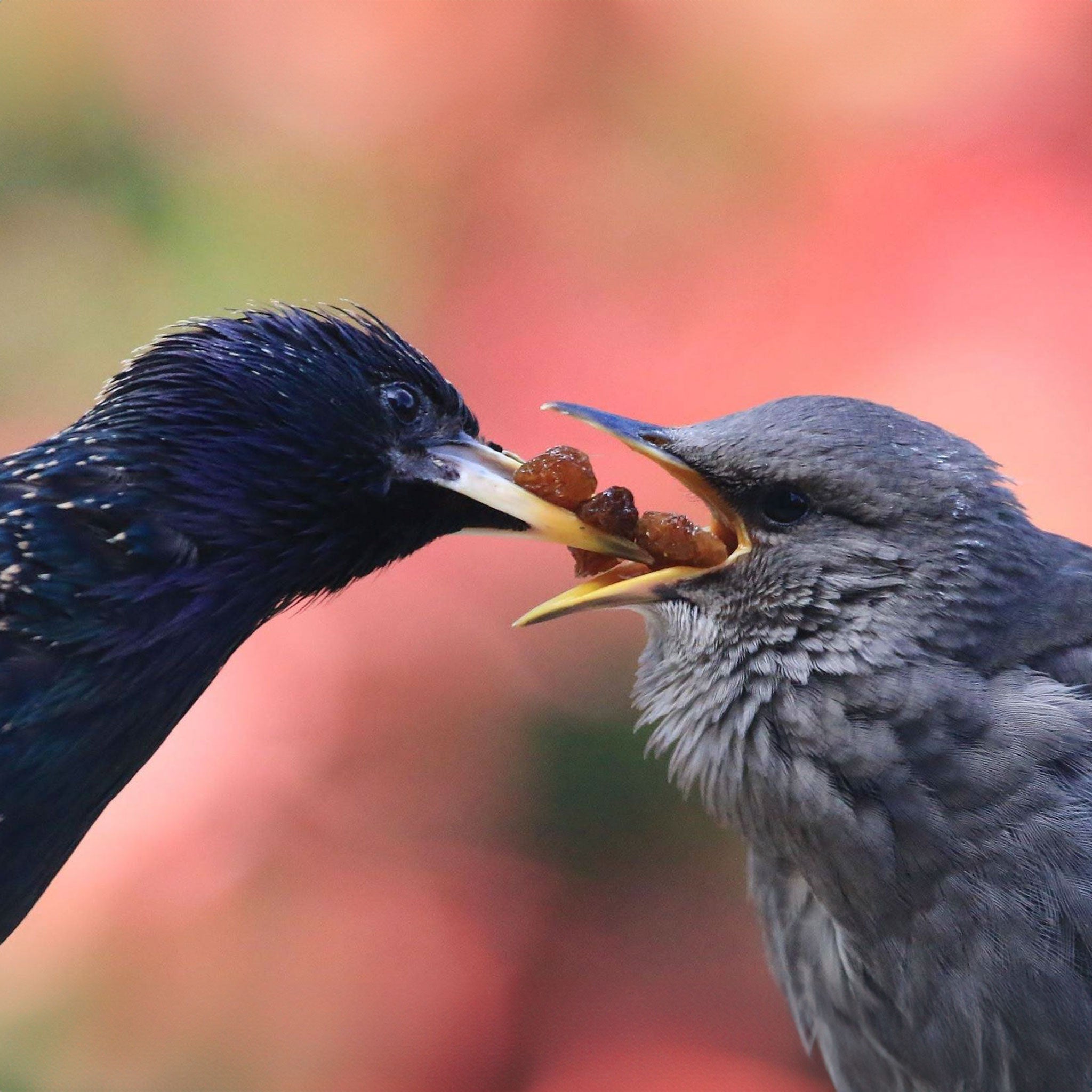
    • All-rounder: many fruit-eating birds will enjoy these mixed with other seed mixes
  • Natural Fallow Deer Antler

    Natural Fallow Deer Antler

    Regular price
    From £15.95
    Sale price
    From £15.95
    Regular price

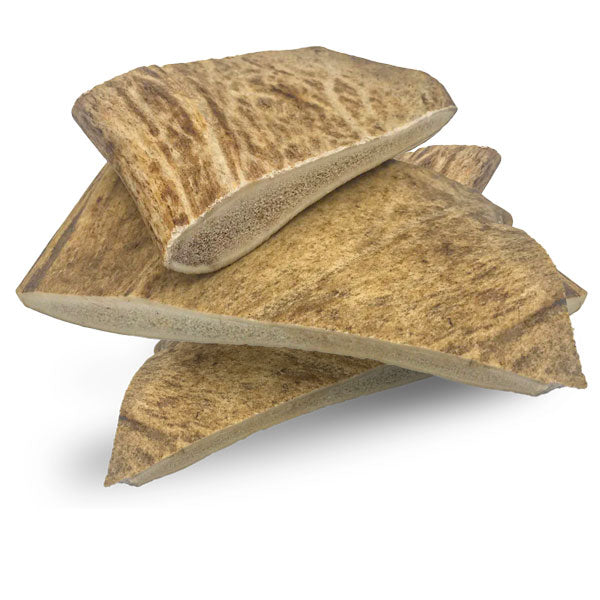
    Fallow deer antler cuts, average weight 150g, average length 12cm-20cm

    • Health Giving: Packed with calcium, protein and minerals for optimal health
    • Cruelty-free: Naturally shed antlers, collected from the wild and brought to your garden
    • Benefits: Chewing strengthens teeth, and antler protein, calcium, and minerals support bone health, growth and breeding in all mammals 
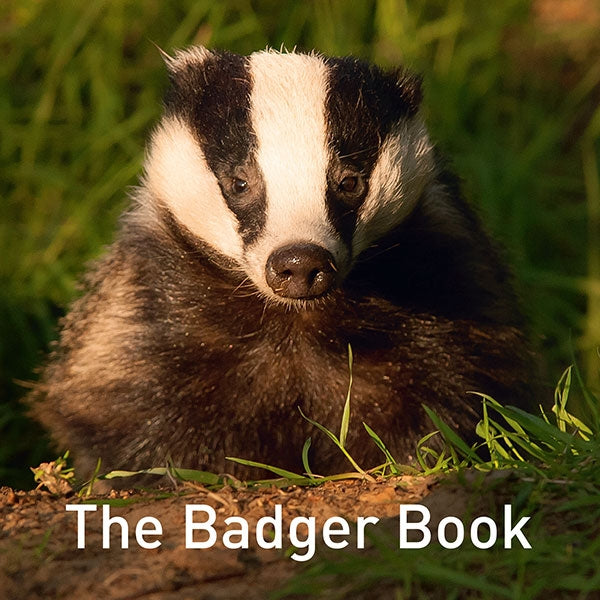
  • The Badger Book

    The Badger Book

    Regular price
    £9.95
    Sale price
    £9.95
    Regular price
    • Full of interesting facts about Britain`s largest carnivorous mammal
    • Learn more about the fascinating badger in Jo Byrne`s informative, entertaining book
    • Easy to read, yet full of facts, myths and stories
  • Ark Fox Food

    Ark Fox Food

    Regular price
    From £9.60
    Sale price
    From £9.60
    Regular price
    • High-protein, meaty biscuits: specially formulated to provide wild foxes with balanced energy, vitamins, and minerals all year round.
    • Highly palatable, clean, convenient: low-mess extruded biscuits reduce waste and odour while keeping your garden feeding areas hygienic.
    • Trusted UK quality: developed and manufactured in the UK, specifically for feeding both rural and urban foxes.
Showing 1-8 of 8 products

When do badgers come out?

Habits vary, but generally, badgers will leave their setts at dusk or just after. In the summer, shorter nights give badgers fewer hours of darkness, making May onwards the best time to spot them out and about.

If you’re going badger spotting at a local sett, it sometimes pays to get there before dusk. But if the badgers pay you a visit in your garden, it’ll probably be after night has fallen.

What can I feed badgers?

During periods when the ground is hard, due to the winter frost or summer sun, it can be hard for badgers to find enough to eat. During these times, it is particularly helpful to supplement the badger’s diet with a healthy food source and balanced nutrition, such as a specially-formulated Ark Badger Food. This can ensure they remain healthy throughout the year. They will also enjoy classic peanut kernels or you may like to put out some fresh or dried fruit, like dried banana chips in small amounts as a treat.

Putting out badger food will keep them away from other food intended for your birds or other wildlife.

Always take care when feeding the badgers in your garden

Be careful when feeding any wild animal, so they do not become too dependent on you.

When feeding badgers, always make sure there is plenty of fresh, clean water available because any supplementary food will be much lower in moisture than any worms they may consume.

Please remember: Badgers are wild animals with powerful claws and jaws. Never approach a wild badger, no matter how tempting it may be. Read more on badger identification, habitat and food.

FAQs

Find answers to our most frequently asked questions.

If you cannot find the answer to your query within these FAQ’s please call our customer service team on free phone 0800 085 4865 between 9.00am – 5.00pm Monday to Friday and we’ll be happy to answer your questions.

Read all FAQs

Outside of office hours please complete the form on our Contact Us page and we will respond to your request within 1 working day of our return.

What food does a badger eat?

Badgers are omnivorous and will eat almost anything. In the wild, earthworms are a large part of their diet along with slugs and insects. They will also eat fruit, nuts, seeds and even small animals such as mice or rats and if food is scarce, they may take an interest in carrion.

How should I approach a badger?

Do not approach a badger. If you’re worried about an injured badger, call your local wildlife authorities.

Do badgers have a natural habitat?

Badgers typically live in a network of underground tunnels and burrows (known as a sett).

Are badgers nocturnal?

Badgers are largely nocturnal, but you may see them out and about during the day during times when food is scarce.

What do badgers eat naturally?

Earthworms are an important part of a badger’s natural diet, alongside other invertebrates, small mammals, fruits and other foods. Earthworms can make up a substantial proportion of their diet, particularly when they are readily available after rainfall. Badgers use their strong sense of smell to locate worms and other food beneath the soil and leaf litter. Supplementary feeding can provide additional food, but it should complement rather than replace the natural foods badgers find while foraging.

What food should I put out for badgers, and what should I avoid?

Plain, unsalted foods are the safest choice when providing supplementary food for badgers. Suitable options include soaked dry dog food, plain cooked meat with all bones removed, fruit and a suitable badger food mix. Peanuts and raisins can also be offered in moderation, but avoid salted, seasoned or processed foods, as excess salt is unsuitable for wildlife. Always provide fresh drinking water alongside food, particularly during dry or hot weather.

My badger won't touch what I put out. Is that normal?

Yes, it is quite normal for badgers to ignore food when it is first offered. Individual badgers can have different food preferences, and they may also be more interested in natural food available in the surrounding area. Try offering small amounts of two or three suitable foods and see which are eaten first. Once you know what your visiting badgers prefer, you can adjust the food you provide accordingly.

Will feeding badgers damage my lawn?

Feeding badgers can lead to some lawn damage, as badgers naturally dig into lawns while searching for earthworms, leatherjackets and other invertebrates. Regular visits may result in small holes or areas of disturbed turf, particularly where natural food is plentiful beneath the lawn. Providing supplementary food in one consistent area may help concentrate their visits, but it will not prevent natural foraging behaviour. If you have a carefully maintained lawn, some disturbance is worth considering before encouraging regular badger visits.

FREE Express Delivery Over £40

To most UK postcodes

60-Day Money Back Guarantee

Buy with confidence

Over 500,000 Satisfied Customers

Quality at the heart of everything we do

Rated 4.9/5 for Customer Service

Verified independent reviews