A - Z Garden Bird Identification Index
(Sturnus vulgaris)
The Starling is compactly built with a short tail and long, pointed bill, pointed wings, triangular in shape, which make them distinguishable from the Blackbird when they are in flight.
What do Starlings look like?
Length: 21cm.
The Starling is compactly built with a short tail and long, pointed bill, pointed wings, triangular in shape, which make them distinguishable from the Blackbird when they are in flight. Adults have a green and purplish metallic sheen on the black plumage. The breast is spangled with small, pale spots, more heavily marked in winter. The bill changes colour from a grey-brown in winter to a conspicuous lemon yellow in summer. The young are a dull grey-brown colour with a paler throat than the male and an unspotted breast.

The Starling may be confused with the Blackbird, but the shape of the wings and shorter tail help to distinguish it. Their flight is direct and fast with rapid wing beats. It is a highly gregarious species and is often seen in huge flocks.
Starling call and song - What do starlings sound like?
Its usual call is a harsh ‘tcheer’. Their song is whistling and chattering. They often mimic other birds.
When and where do starlings nest?
Breeding starts from mid-April. They nest in loose colonies and isolated pairs. The nest is situated in holes in trees, buildings, in garden nest boxes and sometimes in holes in the ground. The nest is a loose cup-shaped accumulation of stems, leaves and other plant material. It is lined with feathers and moss. The male begins the construction of the nest before pairing has occurred, the female will then complete it. Both sexes incubate for twelve or thirteen days. Both tend the young, which leave the nest after about twenty days.
Starling habitat
They like areas with scattered trees, including parks and gardens. They also frequent cultivated areas and moorland. They are also seen in city centres roosting on buildings and in trees.

What do starlings eat in the wild?
They eat mainly insects, fruit and seeds. If you want to attract starlings to your bird tables to marvel at their antics and appreciate their shimmering feathers, take a look at the foods they eat.
- Insects — insects form the main part of their diet: worms, flies, crickets and many more
- Grains and seeds — oats, wheat, sunflower seeds for birds, peanuts for birds (de-shelled)
- Vegetables — including lettuce, cucumber, broccoli
- Plants — flower buds and seedlings
- Nectar from blooming flowers
- Fruits — such as apples, cherries, berries
- Eggs — from other nests
- Small animals — such as baby birds or mice, usually discovered when they are in search of other food items (such as eggs)
What to feed starlings in the garden?
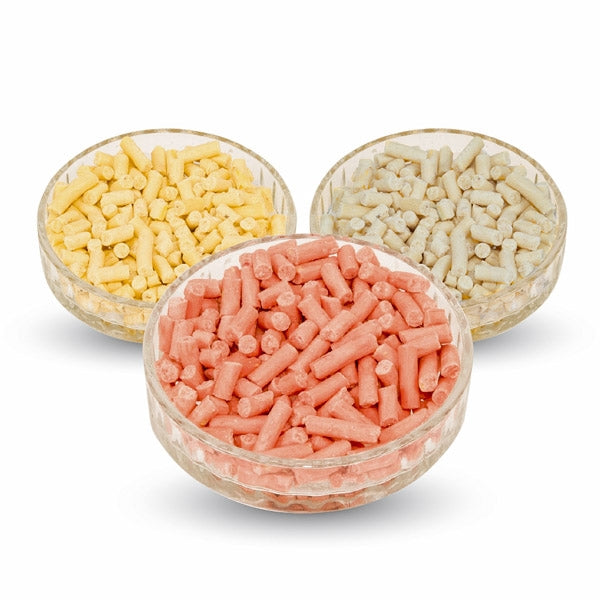

Ark Mixed MultiPack Suet Pellets
- Regular price
- From £11.10
- Sale price
- From £11.10
- Regular price
-
- Nutritious: packed with high-energy and protein for a more filling meal
- 100% natural: made with only the highest quality natural ingredients
- Flavoursome: a variety of tasty flavours to keep birds intrigued during feeds
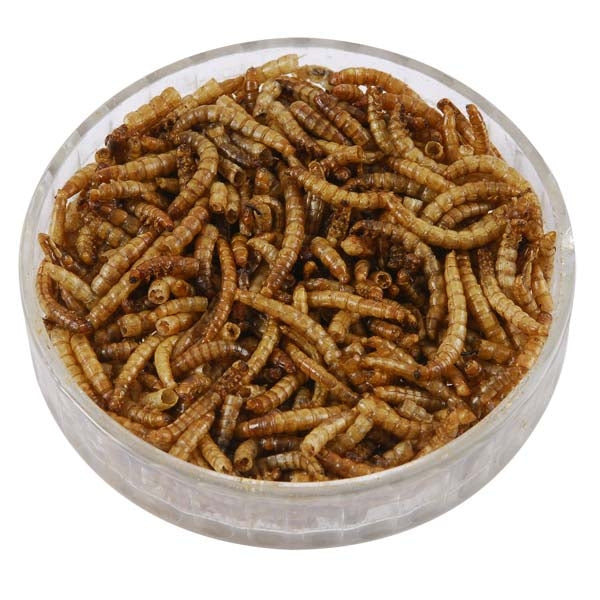
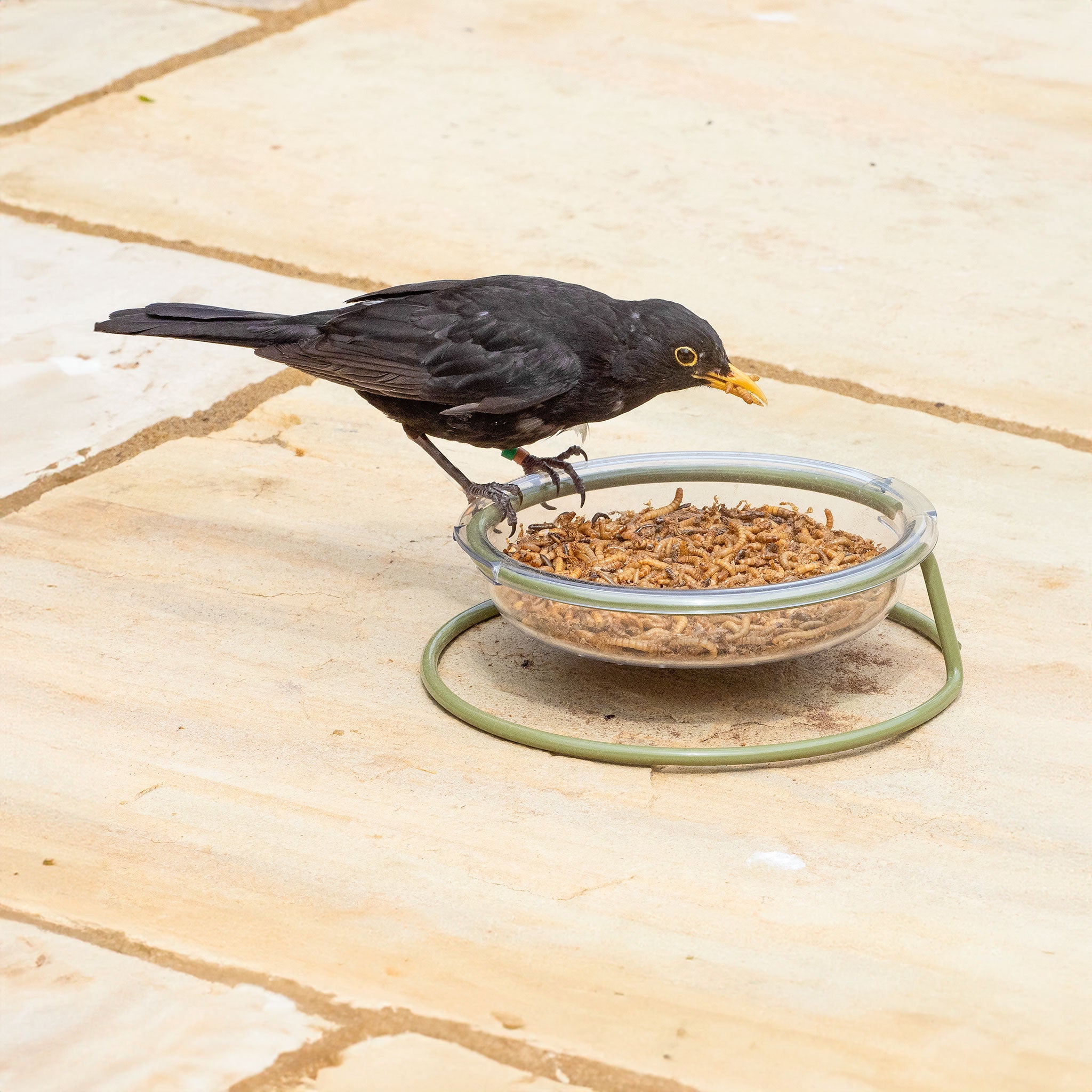
Dried Mealworms
- Regular price
- From £4.25
- Sale price
- From £4.25
- Regular price
-
- Energising: provides the same high levels of energy as live insects
- Protein-packed: a highly valuable source of protein for insect-eating garden birds
- Versatile: a tasty and appealing treat for a range of wild birds
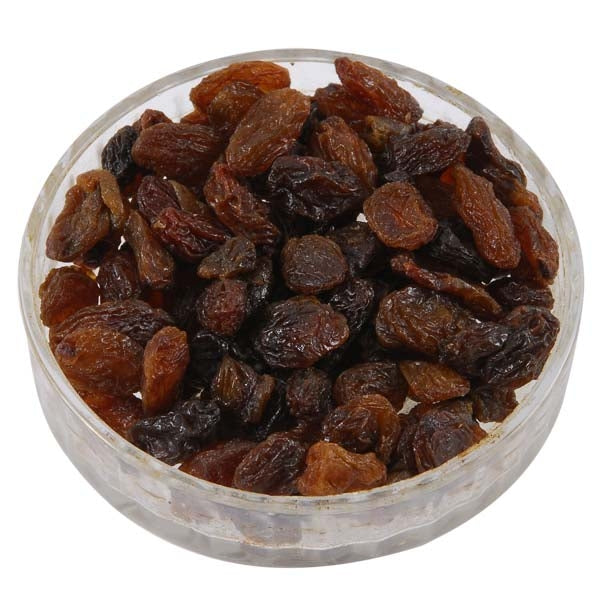
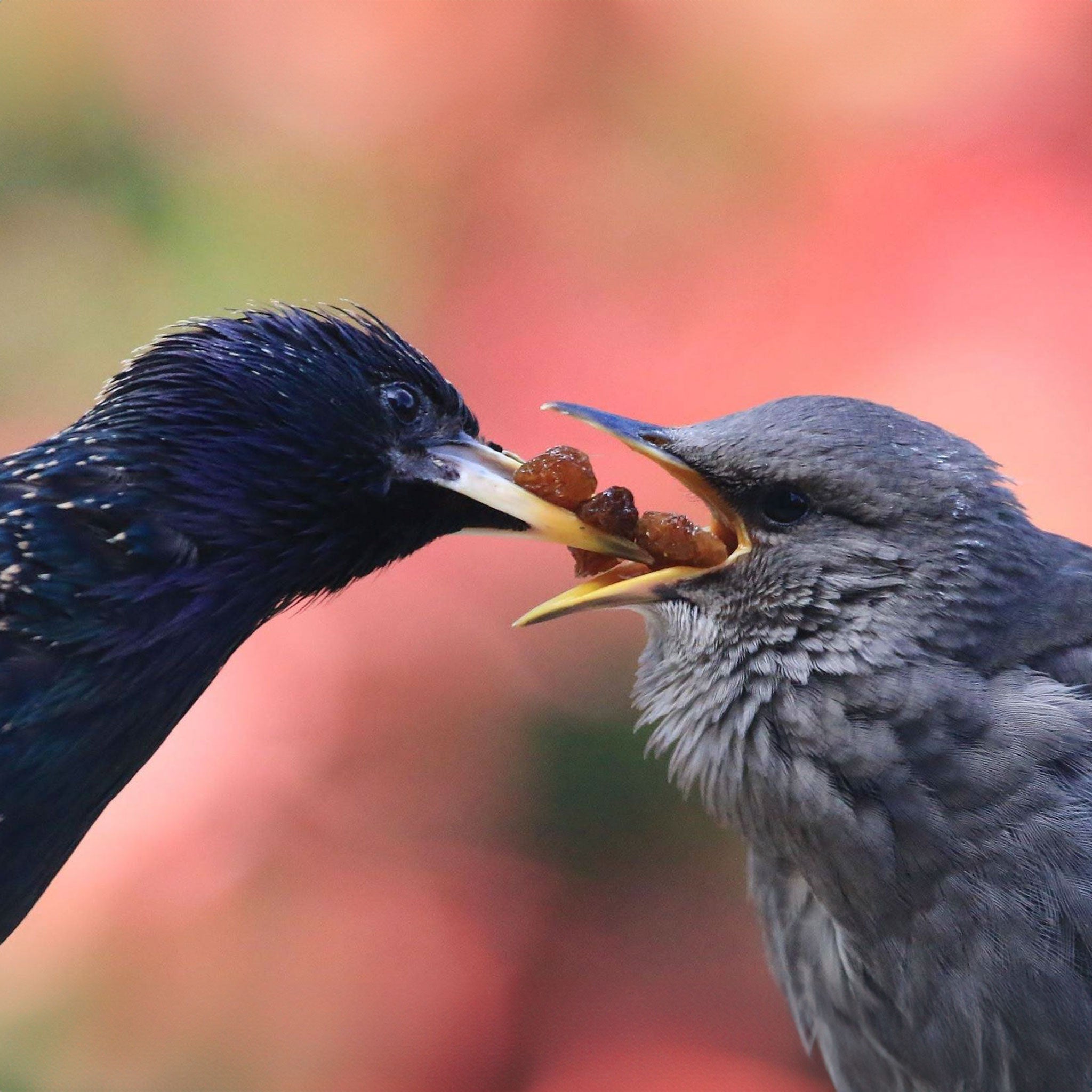
Raisins
- Regular price
- From £4.75
- Sale price
- From £4.75
- Regular price
-
- Fruity-goodness: ideal for when native fruits are out of season
- 100% natural: always made with the freshest natural ingredients
- All-rounder: many fruit-eating birds will enjoy these mixed with other seed mixes
During the breeding season, starlings can have a rather insatiable appetite. At Ark Wildlife, we also sell a range of starling-proof bird feeders to help smaller birds have a safer and quieter place to eat!
Where to feed starlings
Feeder – Not suitable
Table – Open topped or covered
Ground – Scatter food in the open or near cover
Do starlings migrate?
Many starlings do not migrate at all, particularly those living in temperate areas of western Europe, such as the UK. The same is largely true of those birds resident to the mainland USA and close by.
Those European starlings that do migrate generally don’t venture too far, heading north and west to breed during the summer, and escaping winter temperatures by travelling south.
What are European starlings?
Also known as common starlings, European starlings have now spread to every continent, having been introduced to North America, South America and Australia. Due to their successful colonisation of these areas, they are often regarded as an invasive species.
However, their numbers are falling swiftly in some of their native lands, even as they thrive elsewhere. In the UK, there are currently around 1.8 million breeding European starlings.