Learn how the BNG help wildlife recover in places where land is under pressure from development, farming change and habitat loss.
The Local Impact of Biodiversity Net Gain
Biodiversity Net Gain, often shortened to BNG, is one of the most important changes to land and development in England. In simple terms, it means that new developments must leave wildlife habitats in a better state than before, not just replace what was lost. It is an impactful tool that will help wildlife recover in places where land is under pressure from development, farming change and habitat loss. Developers can choose to empower landowners to enhance nature on their land by buying BNG units from registered habitat banks.
Our first BNG habitat bank at South End Barns in West Sussex is in a landscape where coastal habitats, farmland, villages and small wildlife corridors all need to work together if nature is to remain resilient. The landowners have committed to create a network of habitats across 20 hectares of land and to protect and enhance them for 30 years. In practice this means that they are creating a traditional orchard, restoring meadows, planting hedgerows, and creating ponds and managing them in a sensitive manner to create thriving habitats that will have a real impact on the wildlife of Sussex.

What this means for local people
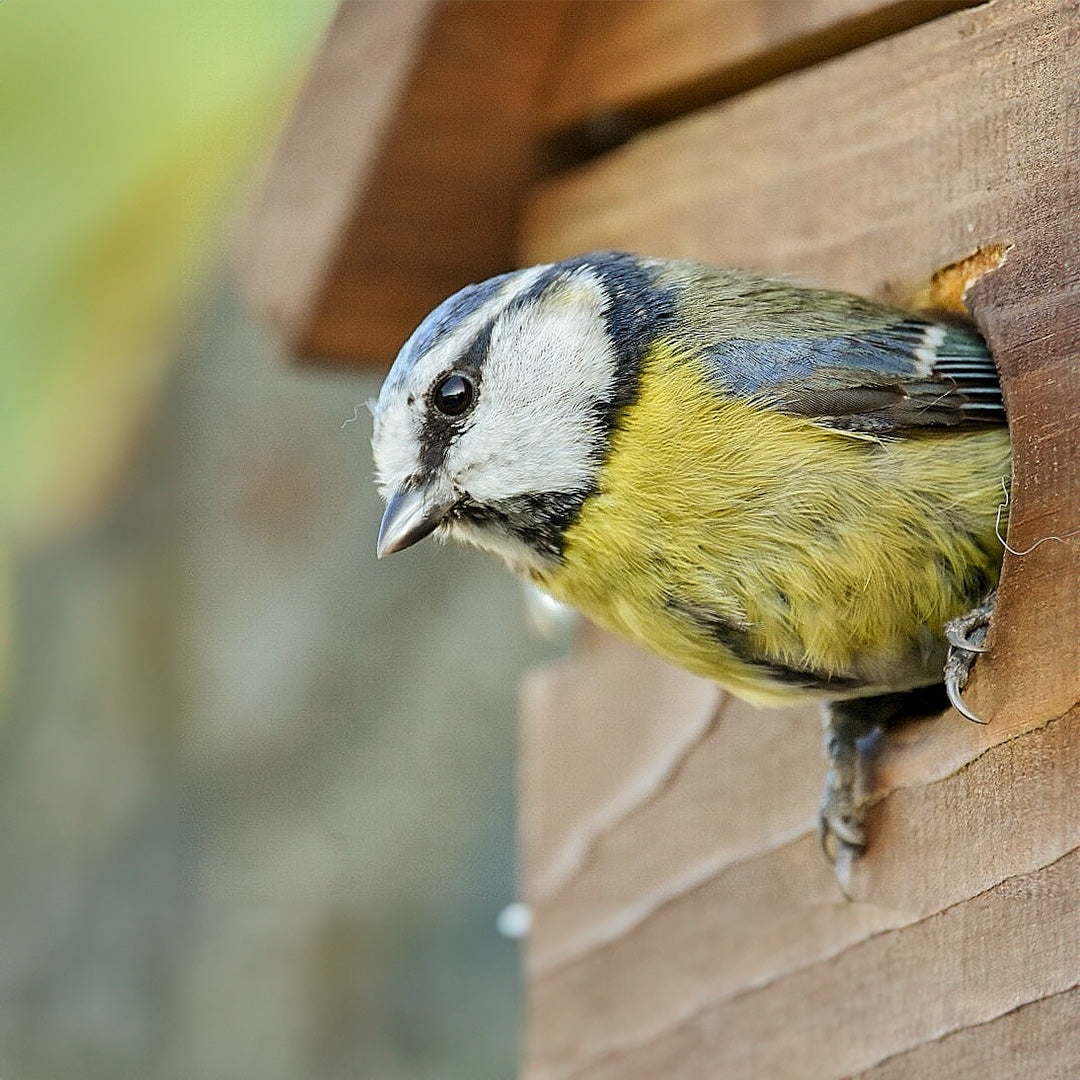
The great thing about this scheme is that local people will be able to see the changes as they happen, from increased birdlife, rare pollinators, and protected species. The large-scale creation of wilder areas can be a source of inspiration for how we look after our own private gardens. The addition of water into your garden, planting a fruit tree, sowing meadow flower seed on part of your lawn, or letting a hedge grow taller or wider. They all have meaningful impacts on local ecology, and support the landscape scale changes that are being made at habitat banks across the country.

That variety matters because the interconnected web of life needs it to thrive. Pollinators need flowers, their larvae need different feeding plants, amphibians need clean water and shelter, birds need nesting and feeding habitat, and mammals need cover and connected routes through the landscape. When these elements are planned together, a site can support a far richer community of wildlife than one dominated by a single land use. If you are unsure where to start, take a look at your area's Local Nature Recovery Scheme, or talk to a local wildlife group to see what the priorities are in your local area.
Local wildlife groups
Another way to connect your garden to the wider conservation aspirations in your area is to get in contact with local wildlife groups. There will be lots of grassroots organisations doing brilliant work in your area, from local farmers collectives, to charities, and community groups. We worked with the council, and a variety of committed local environmental groups when we were creating the habitat plan for Southend Barns. Environmental Groups can help to turn abstract conservation goals into community action, whether through volunteering, education, surveying, and encouraging a deeper appreciation of local landscapes.
A better way forward
We heartily believe that a meaningful network of habitat banks can make a real impact on wildlife in England. You can be part of that by making small changes in your garden, and together we can make a big difference to the future of nature!

Amy Stride
Ecological Landscapes