A - Z Garden Bird Identification Index
(Sylvia borin)
Often heard but rarely seen, the Garden Warbler is one of those birds that rewards patience. Arriving quietly in late spring after a long journey from Africa, it slips into dense shrubs and hedgerows, filling them with rich, flowing song. Easily confused with the Blackcap, this understated warbler is a true hidden gem of gardens and woodland edges alike.
What does a Garden Warbler look like?
Length: 13–14 cm
The Garden Warbler is a soft, understated bird with plain grey-brown upperparts and pale buff underparts. It lacks the distinctive cap of the Blackcap, instead showing a subtle, uniform face with a faint pale eye-ring. Its overall appearance is smooth and unmarked, giving it a “gentle” look compared to other warblers.

What does a female Garden Warbler look like?
Females look almost identical to males, sharing the same muted brown tones and lack of strong markings.
What does a baby Garden Warbler look like?
Juveniles are similar to adults but slightly warmer in tone, with softer, buff-coloured underparts and a more diffuse appearance.
Garden Warbler vs Blackcap – How to Tell the Difference
Garden Warblers are often confused with Blackcaps, especially as their songs are very similar. The easiest way to tell them apart is by looking at the head:
- Garden Warbler: Plain grey-brown head with no markings
- Blackcap: Distinctive cap – black in males, brown in females
Garden Warblers also have a softer, more uniform appearance, while Blackcaps tend to show stronger contrast in their plumage. If you can hear the bird but not see it clearly, listen carefully - the Garden Warbler’s song is more continuous and less varied than the richer, more melodic bursts of a Blackcap.
How big is a Garden Warbler?
At around 13–14 cm, it is similar in size to a Blackcap, though often appears slightly bulkier due to its fuller body shape.
Garden Warbler call/song – What does a Garden Warbler sound like?
Their call is a harsh, chattering “tek-tek.” The song is a rich, fast warble, often compared to a Blackcap but more continuous and less varied, lacking the Blackcap’s fluty high notes.
How long do Garden Warblers live for?
Typically around 2 years, though some individuals live longer under favourable conditions.
Diet & Food
What does a Garden Warbler eat in the wild?
Their diet is mainly insects, larvae, and spiders during the breeding season. Later in summer and autumn, they switch heavily to fruit and berries, building energy reserves for migration.
What should you feed Garden Warblers in the garden?
They rarely visit feeders, but may be attracted by:
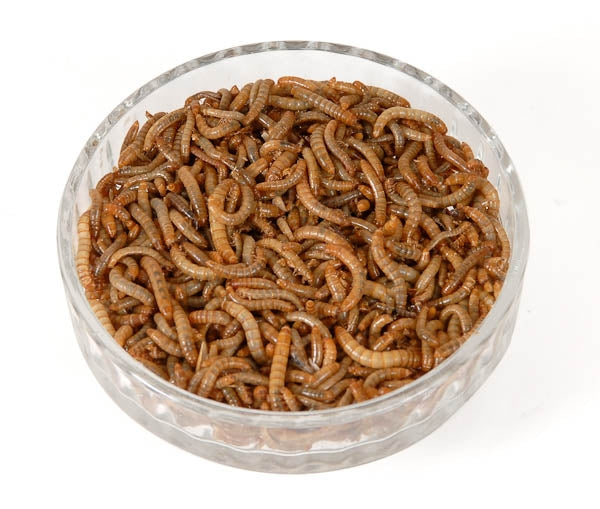
Live Mini Mealworms
- Regular price
- From £11.25
- Sale price
- From £11.25
- Regular price
-
- Suitable for young nestlings
- Insectivorous aviary birds also enjoy these
- Please Note: These items are posted directly from the Live Food Farm by Royal Mail 1st class post and do not count towards your basket total.
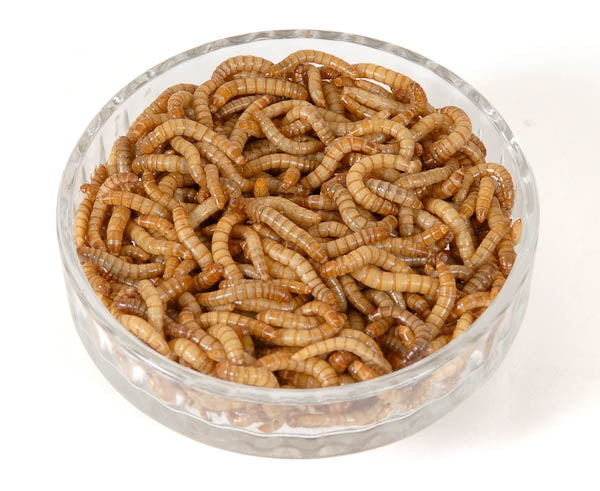
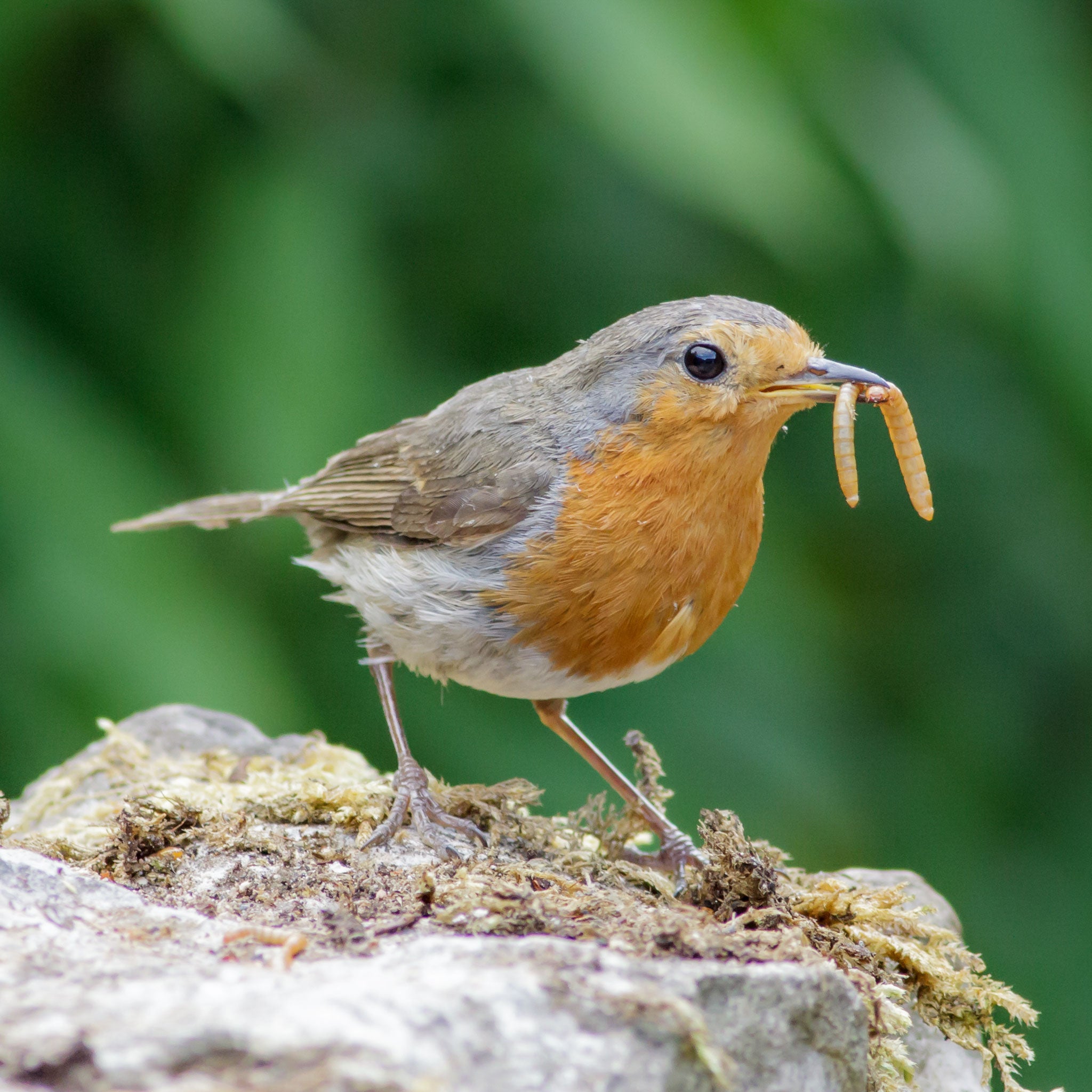
Live Mealworms
- Regular price
- From £9.25
- Sale price
- From £9.25
- Regular price
-
- Ideal for all insect eating garden birds
- Excellent nutrition for young birds during the breeding season
- Please Note: These items are posted directly from the Live Food Farm by Royal Mail 1st class post and do not count towards your basket total
Where should you feed Garden Warblers?
- Feeder: Not suitable
- Table: Not suitable
- Ground: Occasional feeding near dense cover
When is the best time to see Garden Warblers in the garden?
Late spring to early autumn (May–September), particularly during migration or in well-planted gardens with dense shrubs and insect life.
Habitat & Nesting
Where do Garden Warblers live?
They favour dense scrub, woodland edges, hedgerows, parks, and overgrown gardens, particularly where thick undergrowth provides cover.
Do Garden Warblers migrate?
Yes — they are long-distance migrants. They arrive in the UK in late April or May and leave again by early autumn, wintering in sub-Saharan Africa.
Where do Garden Warblers nest?
Nests are built low in dense vegetation, often between 0.5 and 2 metres above the ground, hidden among stems or in shrub forks.
Do Garden Warblers return to the same nest?
No — like most small warblers, they build a new nest each breeding season, though they may return to the same general area.
What colour are Garden Warbler eggs?
Eggs are smooth and glossy, usually white or pale buff with light brown or grey speckling.
How rare or common are Garden Warblers in the UK?
They are fairly common summer visitors in England and Wales, but much rarer in Scotland. Because they stay hidden, they are often under-recorded despite being widespread.
Nesting Behaviour
Breeding begins in late May. The female lays 3–5 eggs (occasionally more), with both parents sharing incubation for around 11–12 days. Chicks fledge after roughly 10–12 days, and may be fed for a short time after leaving the nest.
Where do Garden Warblers sleep?
They roost deep within dense vegetation such as brambles, hedges, or thick shrubs, where they remain well hidden from predators.
How to attract Garden Warblers to your garden
Garden Warblers are not typical feeder birds, but you can support them by creating a wild, insect-rich garden.
- Allow hedgerows and shrubs to grow thick and natural
- Plant berry-producing species like elder, hawthorn, or blackthorn
- Encourage insects with wild patches and native planting
A quiet, slightly untidy garden is far more appealing to them than a manicured one.
A Bird You’ll Hear Before You See
Garden Warblers remind us that not all wildlife needs to be seen to be appreciated. Their song often pours from deep cover, invisible yet unmistakable. Learning to recognise that sound is often the first step — and once you do, you’ll realise they’ve been there all along.
Explore more in our A-Z Bird Identification Guide for detailed profiles of all your garden favourites.
Looking to spot a new visitor on your feeder? Our comprehensive species pages help you recognise and care for every bird that drops in.