

How to Feed Garden Birds Safely with Hygiene Tips
Habitat loss and shortages of natural food, means feeding birds all year round still matters. This page shows you how to do it safely, reducing disease risk while supporting wild birds with clean feeders, smart routines, and simple steps that make a real difference.
-
Hygiene Essentials
Best Bird Hygiene Accessories
Maintain safe feeding habits with simple hygiene routines. Our specialist cleaning products help keep feeders fresh, reduce disease risk, and protect the birds that rely on your garden every day.
-
Feeder Fresh™ Cleaning Spray 500ml
 NEW
NEWFeeder Fresh™ Cleaning Spray 500ml
- Regular price
- £9.45
- Sale price
- £9.45
- Regular price
-
-
Complete Bird Feeder`s Hygiene Kit
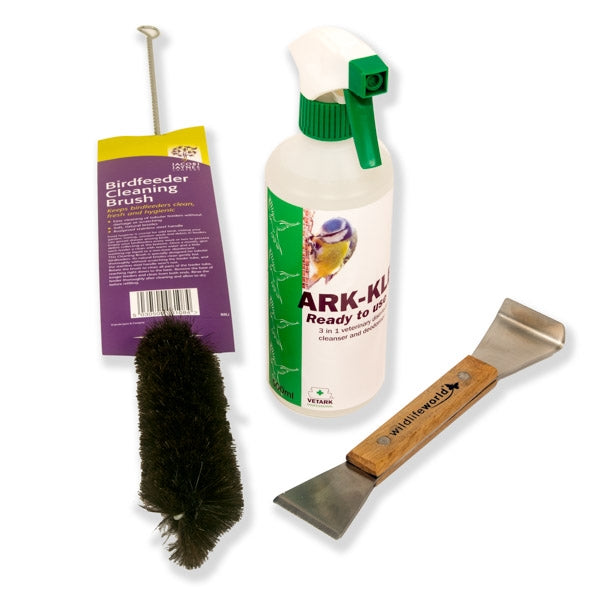
Complete Bird Feeder`s Hygiene Kit
- Regular price
- £16.25
- Sale price
- £16.25
- Regular price
-
£18.40
-
Bird Feeder Hygiene Brush
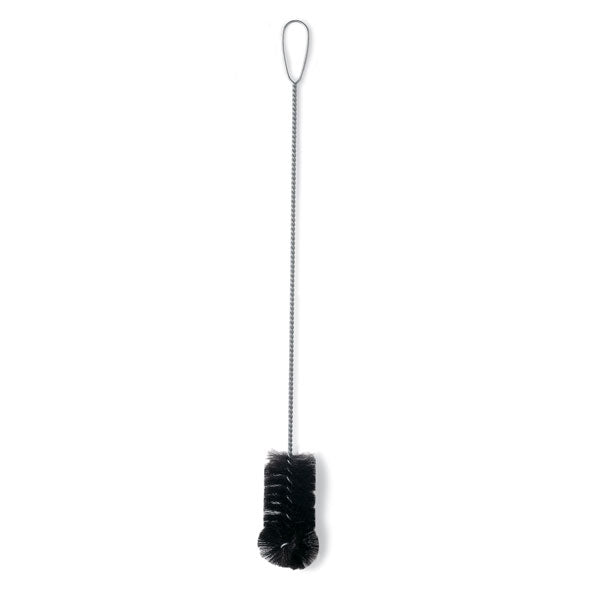
Bird Feeder Hygiene Brush
- Regular price
- £5.95
- Sale price
- £5.95
- Regular price
-
-
Natural Citrus Cleaner 500ml

Natural Citrus Cleaner 500ml
- Regular price
- £12.95
- Sale price
- £12.95
- Regular price
-
-
Bird Table 2 in 1 Cleaning/Scraper Tool

Bird Table 2 in 1 Cleaning/Scraper Tool
- Regular price
- £4.95
- Sale price
- £4.95
- Regular price
-


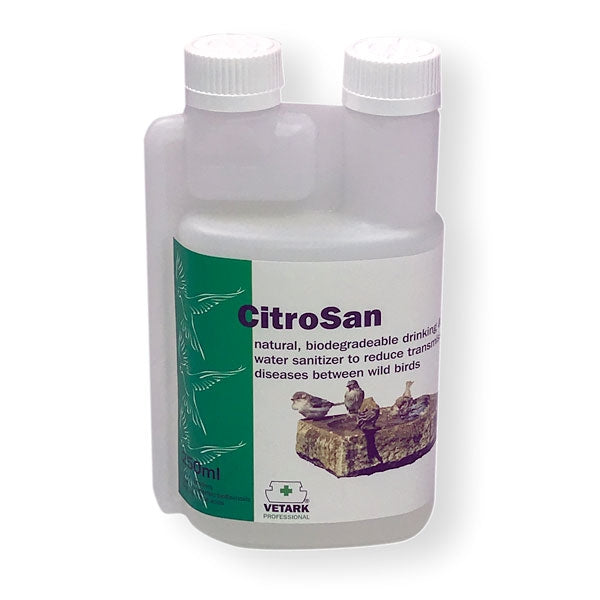


Ark's Expert Guides
Should I Stop Feeding Birds in Summer?
In response to recent guidance from the RSPB calling on the public to stop feeding birds between May and October, wildlife expert Sean McMenemy answers the question 'Should I stop feeding birds in summer?'
"No- you don’t need to stop feeding birds, but you do need to feed them responsibly."
Feeding birds in our gardens has become an important support factor for granivores, such as finches, especially during the 'hunger-gap' months May-July (BSBI & BTO data). For many species, it provides a consistent and reliable source of food and energy during the peak of the breeding season.
The concern around feeding isn’t the act itself, but how it’s done. Poor hygiene, overcrowded feeders, and lack of monitoring can increase the risk of disease spreading between birds.
The better approach is simple:
continue feeding, but take extra care.
By keeping feeders clean, spacing feeding areas, and acting quickly if you notice sick birds, you can support wildlife safely without stepping back entirely.
-
Bird Food Essentials
Bird Feeding Favourites
Support birds through early summer and the breeding season with high-energy, nutritious foods. Carefully selected favourites help adults stay fit and provide for their young when it matters most. Protein-rich options, high-energy suet and seed mixes with added calcium for healthy eggs and bones.
-
Ark Berry Suet Pellets
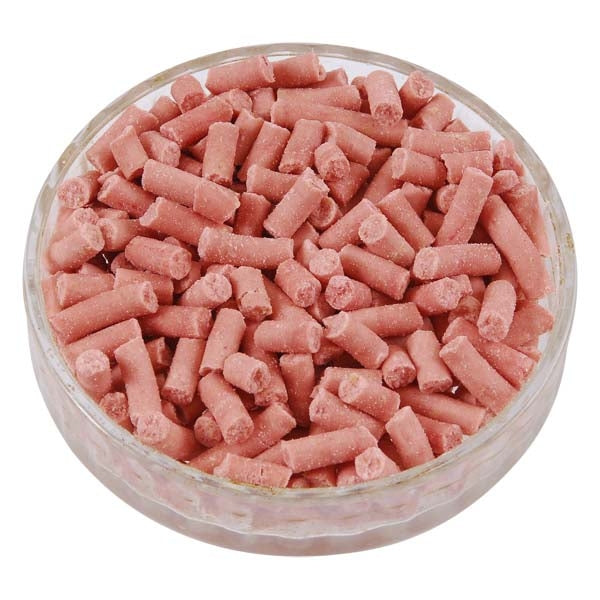
Ark Berry Suet Pellets
- Regular price
- From £5.20
- Sale price
- From £5.20
- Regular price
-
-
Ark Hearty™ Mealworm Mix
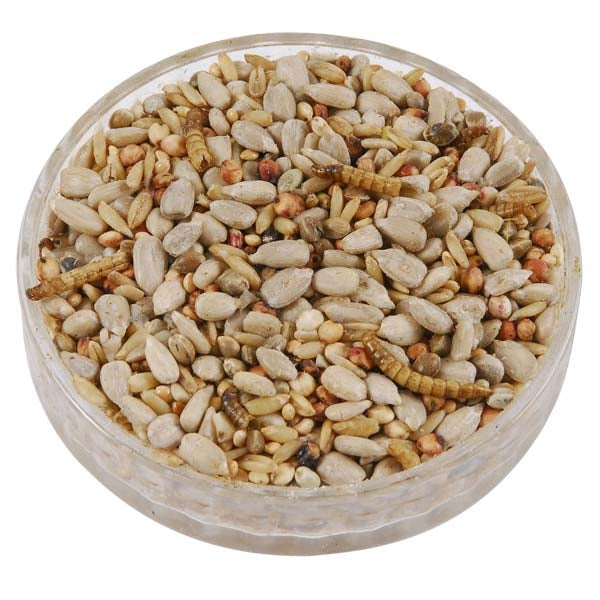
Ark Hearty™ Mealworm Mix
- Regular price
- From £6.35
- Sale price
- From £6.35
- Regular price
-
-
Classic Mealworm Suet Feast Blocks

Classic Mealworm Suet Feast Blocks
- Regular price
- From £12.95
- Sale price
- From £12.95
- Regular price
-
-
Ark Suet Balls with Insects
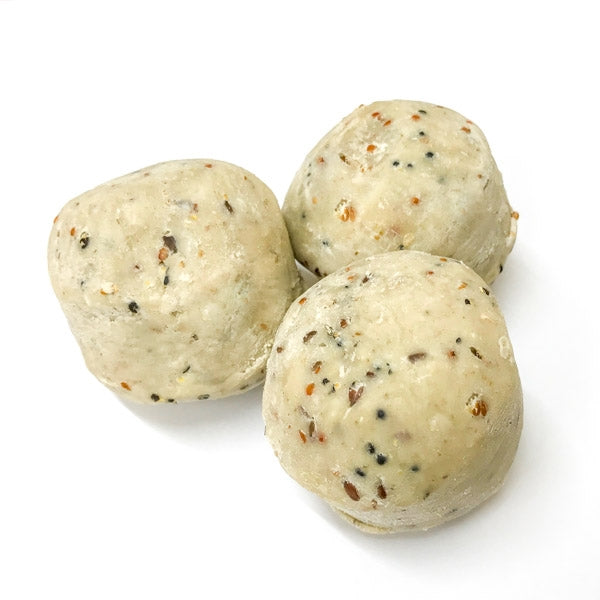
Ark Suet Balls with Insects
- Regular price
- From £4.75
- Sale price
- From £4.75
- Regular price
-
-
Ark Hearty™ Suet Mix
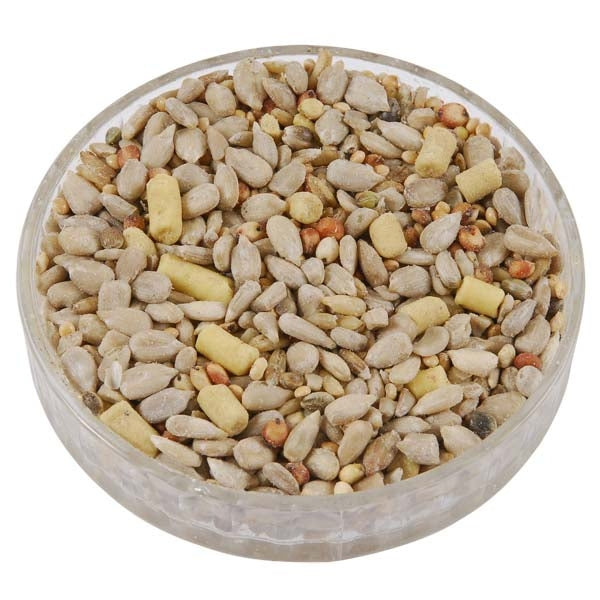
Ark Hearty™ Suet Mix
- Regular price
- From £6.10
- Sale price
- From £6.10
- Regular price
-
-
Classic Insect Suet Feast Blocks

Classic Insect Suet Feast Blocks
- Regular price
- From £12.95
- Sale price
- From £12.95
- Regular price
-
-
Dried Calcium Worms
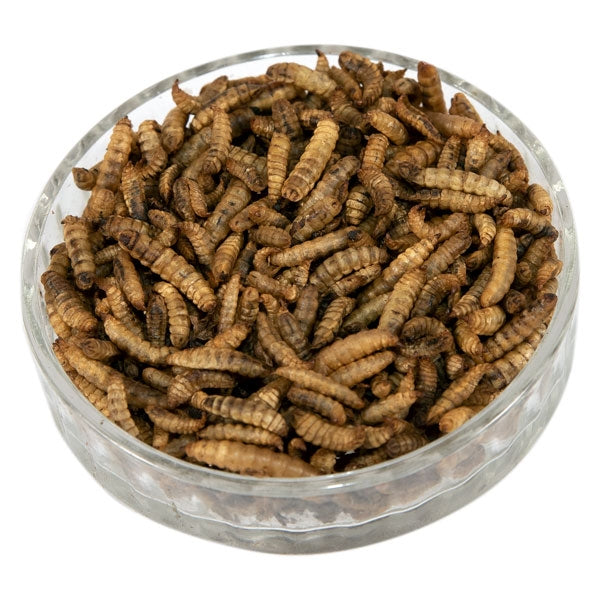
Dried Calcium Worms
- Regular price
- From £4.10
- Sale price
- From £4.10
- Regular price
-
-
Ark Mealworm Suet Pellets
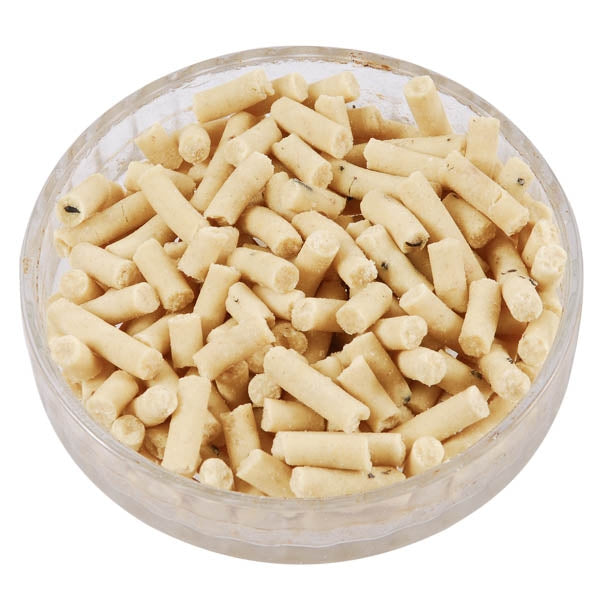
Ark Mealworm Suet Pellets
- Regular price
- From £5.20
- Sale price
- From £5.20
- Regular price
-



How do I Feed Birds Safely?
Feeding birds safely comes down to a few simple habits that make a big difference.
Start with hygiene. Clean feeders (weekly) using a suitable disinfectant, and allow them to dry fully before refilling. Rince and refill bird baths with fresh tap water (daily). The chlorine keeps the water safe for birds to drink and bathe in.
Next, think about space. Avoid clustering feeders too closely together. Spread them out to reduce contact between birds.
Rotate feeding areas where possible. This prevents waste and droppings building up in one place.
Most importantly, stay observant. If you notice signs of illness, such as lethargy, fluffed feathers, or difficulty swallowing - stop feeding immediately. Clear the area, clean everything thoroughly, and wait (2-4 weeks) until birds appear healthy again before restarting.
These small actions help reduce risk while allowing you to continue supporting the birds that rely on your garden.
-
Ark's Top Picks
Top 5 Easy Clean Bird Feeders
Make feeding simpler and safer with easy-clean bird feeders. Designed for quick maintenance, they help reduce disease risk, keep food fresh, and support healthier birds with less effort every day. Designed for quick disassembly and hassle-free cleaning.
-
Apollo Seed Feeders
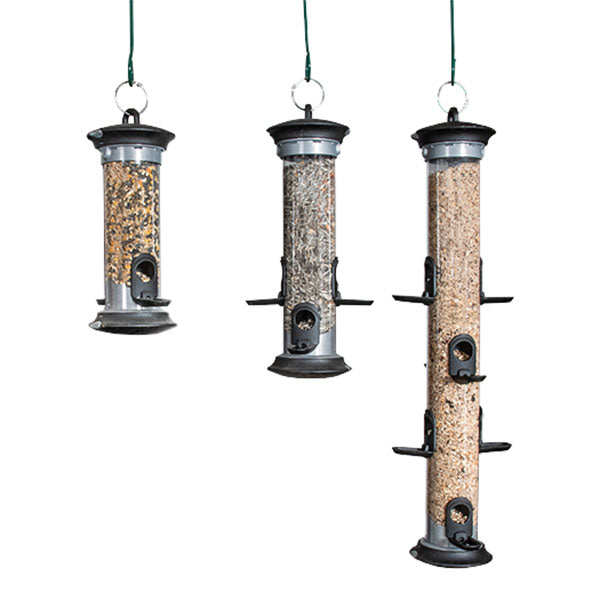
Apollo Seed Feeders
- Regular price
- From £24.95
- Sale price
- From £24.95
- Regular price
-
-
Big Easy Seed Feeders
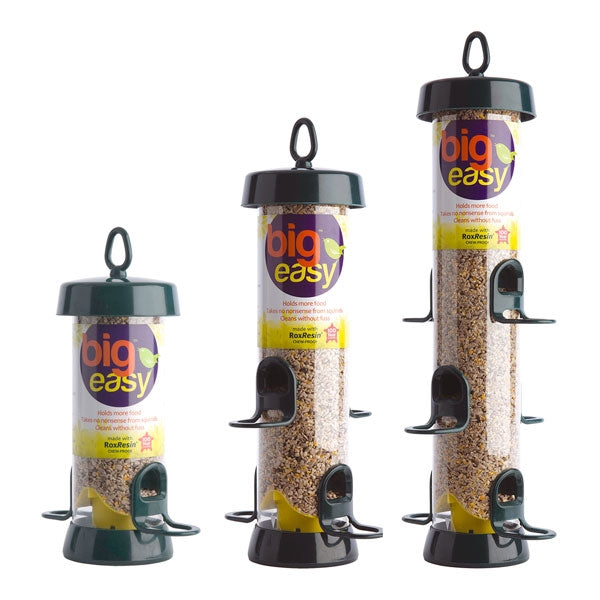
Big Easy Seed Feeders
- Regular price
- From £32.95
- Sale price
- From £32.95
- Regular price
-
-
Ring-Pull™ Click Seed Feeder
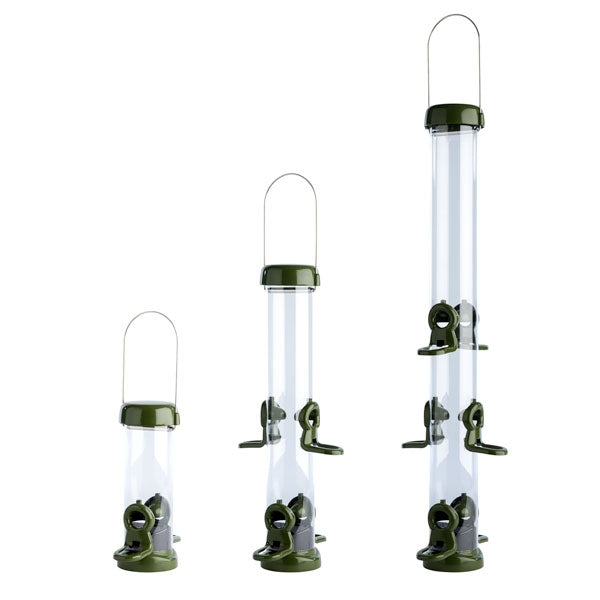
Ring-Pull™ Click Seed Feeder
- Regular price
- From £21.95
- Sale price
- From £21.95
- Regular price
-
-
Flo™ Festival Seed Feeders
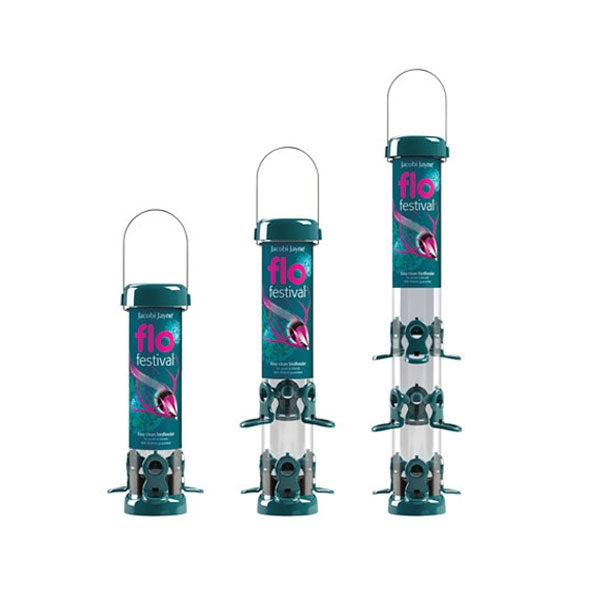
Flo™ Festival Seed Feeders
- Regular price
- From £39.95
- Sale price
- From £39.95
- Regular price
-
-
Flo™ Lifetime Seed Feeders
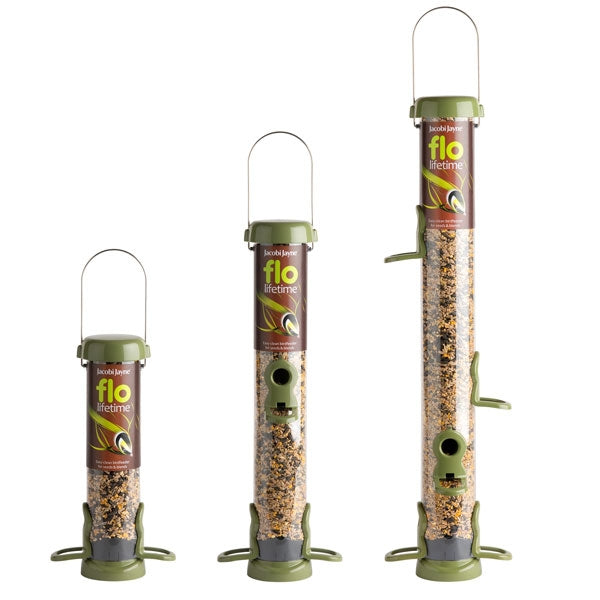
Flo™ Lifetime Seed Feeders
- Regular price
- From £29.95
- Sale price
- From £29.95
- Regular price
-

Sean Says:
Small actions make a BIG difference for our garden birds.
The Solution: ✨ FEED. CARE. PROTECT. ✨
👍 FEED - birds responsibly.
👍 CARE - enough to notice when something’s wrong.
👍 PROTECT - them by acting quickly when it matters.


