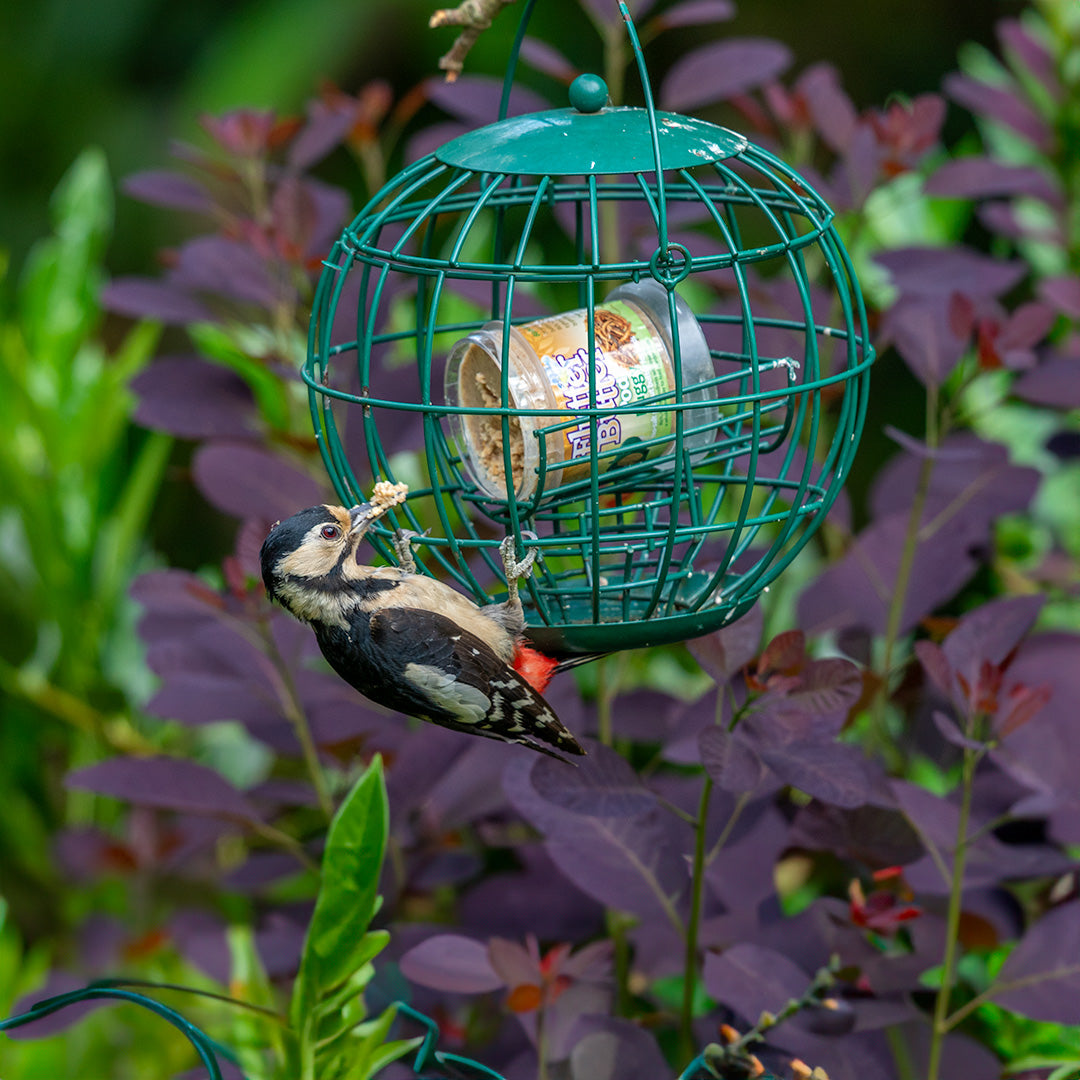
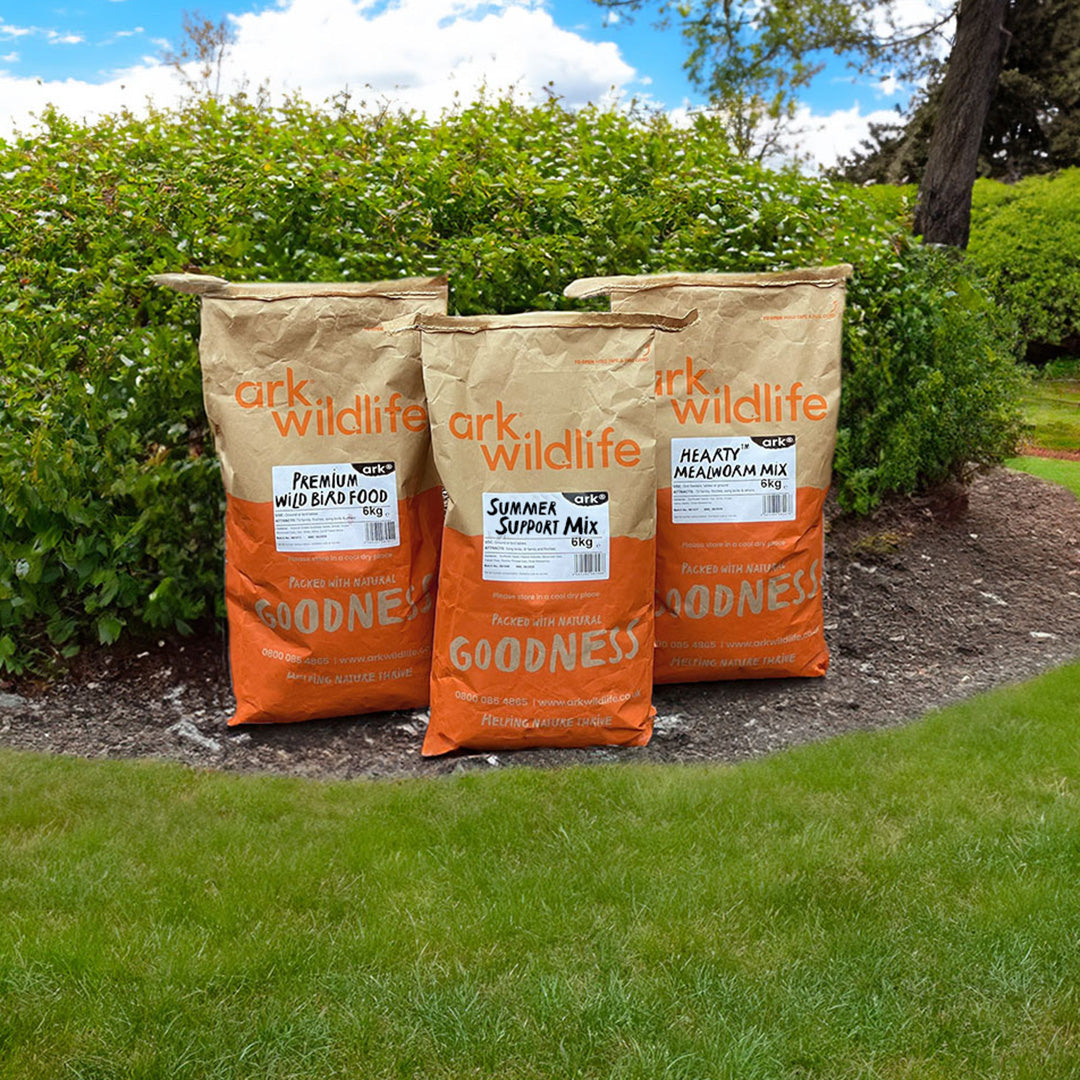
Currently there is a lot of discussion, even controversy regarding supplementary bird feeding advice during the summer months. Issues such as disease transmission, changing migration habits, even dominant species benefitting over timid species. Here, I’ll discuss the questions I’m most frequently asked, along with my opinion on the relative pros and cons of each.
Why I Provide Supplementary Feed to Garden Birds in Summer
A lifetime of feeding garden birds, year round, while observing their responses and outcomes (it is my job after all), has proven to me that it provides more benefit than harm. Each time I’ve moved home, I’ve found quiet gardens, all of which have benefitted massively by a controlled feeding regime, on my arrival. I therefore continue to advocate feeding garden birds - the right way. Good, safe food, presented responsibly and hygienically. Here’s my reasoning.
From my childhood until now, I’ve personally witnessed the catastrophic loss in bird populations here in the UK. Even species still commonly seen in our gardens, such as blue tits, house sparrows and starlings, at a population level, have each declined by 70% or more. As a child I’d find nesting birds every few yards in a hedgerow, with skylarks singing overhead and yellowhammers and thrushes singing from hedge tops. Today, I can walk a country hedgerow, finding a handful of nests, in virtual silence.
“The benefits to birds of fresh, clean food is indisputable.”

For 50-years I’ve watched bird populations plunge as hedgerows were ripped up during the 1970’s. Large scale, intensive farming ‘deserts’ being created in the 1980’s, and industrial strength pesticides and herbicides killing trillions of insects (and plants) on which birds depend in the 1990’s. If that wasn’t enough, the falling bird populations were matched by increasing human numbers, requiring ever more road building and housebuilding (with bird proof UPVC sealed eaves and closed roofs). More urbanisation destroyed yet more habitat, driving birds into the tiny green spaces we call our gardens, simply to survive. The risk of losing this final reliable food source seems a tragedy in the making!
A concern raised about bird feeding is the concentration of birds on feeders with the risk they will bring in and transmit disease. This is correct and a serious issue that needs addressing. But let’s be honest, it pales into insignificance compared to loss of natural habitat, food and nesting sites. Humans will always come first - therefore new roads, housebuilding and mono culture farming will continue to put pressure on wild bird populations, making gardens vital for their survival. I strongly believe we have a responsibility to improve them for birds, not exclude them.
“Bird diseases are not new, nor are they solely spread in gardens.”
Aflatoxin in Peanuts
In the 1990’s, a dangerous mould called Aflatoxin that grows on peanuts, true nuts, corn and other foods, which is poisonous to birds and humans alike, was being found on peanuts sold as bird food. Rather than banning or stopping feeding birds peanuts, instead we campaigned to ban the contaminated food.
Today, I’m happy to say, birds have been benefitting from feeding on SAFE peanuts for over 20-years. While I accept there are bound to be a few 'bad actors' out there, overall this has been a huge success.

Bacteria, Viruses & Moulds
Birds suffer from many pathogens, just like we do. Diseases with which we’re familiar include E-Coli and Salmonella, and they’re just as much a risk to birds as us. Moulds too, can cause sickness and even death. To prevent disease, take the same approach feeding birds as you do your own family. Make sure food is stored appropriately. Make sure it’s in date. Wash utensils and serving plates, and only ever use clean fresh water. Approach feeding birds with this ethos and you won’t go far wrong. Disease is always ‘out there’ waiting for its opportunity. We act to mitigate risk, we cannot eliminate it entirely. This is as true for birds as it is humans.
I accept there are plenty of cheap, inappropriate and even dangerous products on sale (think children's toys, lithium batteries, etc), bird feeders included. Designed for price, not purpose, they're more likely to spread disease. Whereas, modern UK and US designed bird feeders are excellent having addressed the issues as they arose. Easy to disassemble and clean, designed to keep seeds dry and shaped to reduce birds defecating (pooing) on food or on the feeder. Even limiting access spaces to reduce congestion. All innovations to help birds thrive.
Just as we've made children's toys safer over the years, so we have bird feeders. Granted, risks remain, therefore we must remain vigilant and continue to innovate as we learn.
“We cannot remove all risk, but we can ensure we do more good than harm.”
Trichomonosis - The Current Risk (or rather ongoing risk)
Today, there's a lot of debate over a disease called Trichomonosis (Tric). This is an ancient disease that historically affected pigeons and doves, but 20-odd years ago it jumped species. It’s a parasite spread by direct contact, beak to beak (adult feeding chicks, etc), or through food sharing, and some evidence shows via contaminated water. Pigeons have built up natural resistance to it (Tric is often referred to as canker in pigeons), a bit like humans have with COVID. However, much like COVID, when Trichomonosis first jumped species to affect greenfinches, they had no natural immunity and mortality rates were so high, that species populations plummeted at an alarming rate. While greenfinches are finally showing signs of immunity and the population is showing the first signs of bouncing back, the disease now appears to also be affecting chaffinches and, to a lesser extent bullfinches. It’s the ongoing spread of this disease and the fact that it’s jumped species that's causing heated debate.
Trichomonosis, being a parasite, a protozoa, acts somewhat differently to bacteria, viruses, or moulds. If a sick bird (via saliva) passes the protozoa to food, the next bird could be infected immediately. Therefore a 'weekly' schedule of cleaning, isn't the solution to this problem. As soon as a suspected case is seen, all feeders and bird baths should be removed. Everything should have a deep clean, and no food or water should be put in the garden for a minimum of 2-weeks, and up to 4-weeks. Certainly not while any sign of disease remains.
In common with all pathogens, reduction of risk is the best policy. Fresh, dry, safe, food and clean tap water every day. A thorough and regular schedule of cleaning feeders and bird baths is required. Even better, is a number of smaller feeders and scattering food in different locations each day. Reduce birds congregating in one location, and move them around. All positive actions that reduce the potential for your garden becoming an accidental petri dish!

“Choose and use bird feeders wisely, but regardless, try to make the feeding experience as close to natural as possible.”
My Conclusions
While some may be calling for a ban on bird feeding, in truth this is not a new issue. Disease has been an ever present risk, alongside habitat loss and food shortages. It’s another of MANY threats to birds. I compare banning bird feeding to calling for all schools to be permanently SHUT because they regularly have outbreaks of flu, and other diseases. As humans, we understand disease is part of living, so we take sensible precautions in our schools keeping them clean and hygienic to minimise the risks.
One such step is when a child is seen to be sick, they’re sent home for a period of time, to prevent spread. Schools do far more good than harm, so they remain open and risk is managed. I apply this proven logic to my garden. I ensure hygiene, offer safe food, and use fresh tap water daily. If, (and I have) I witness a diseased bird, I cannot send it home, so instead, I stop feeding, until no sign of infection remains. It’s rare to see disease, but these protocols mean I have plenty of greenfinches, chaffinches and a happy pair of bullfinches thriving as regular garden guests because I feed them daily. They are my little children.
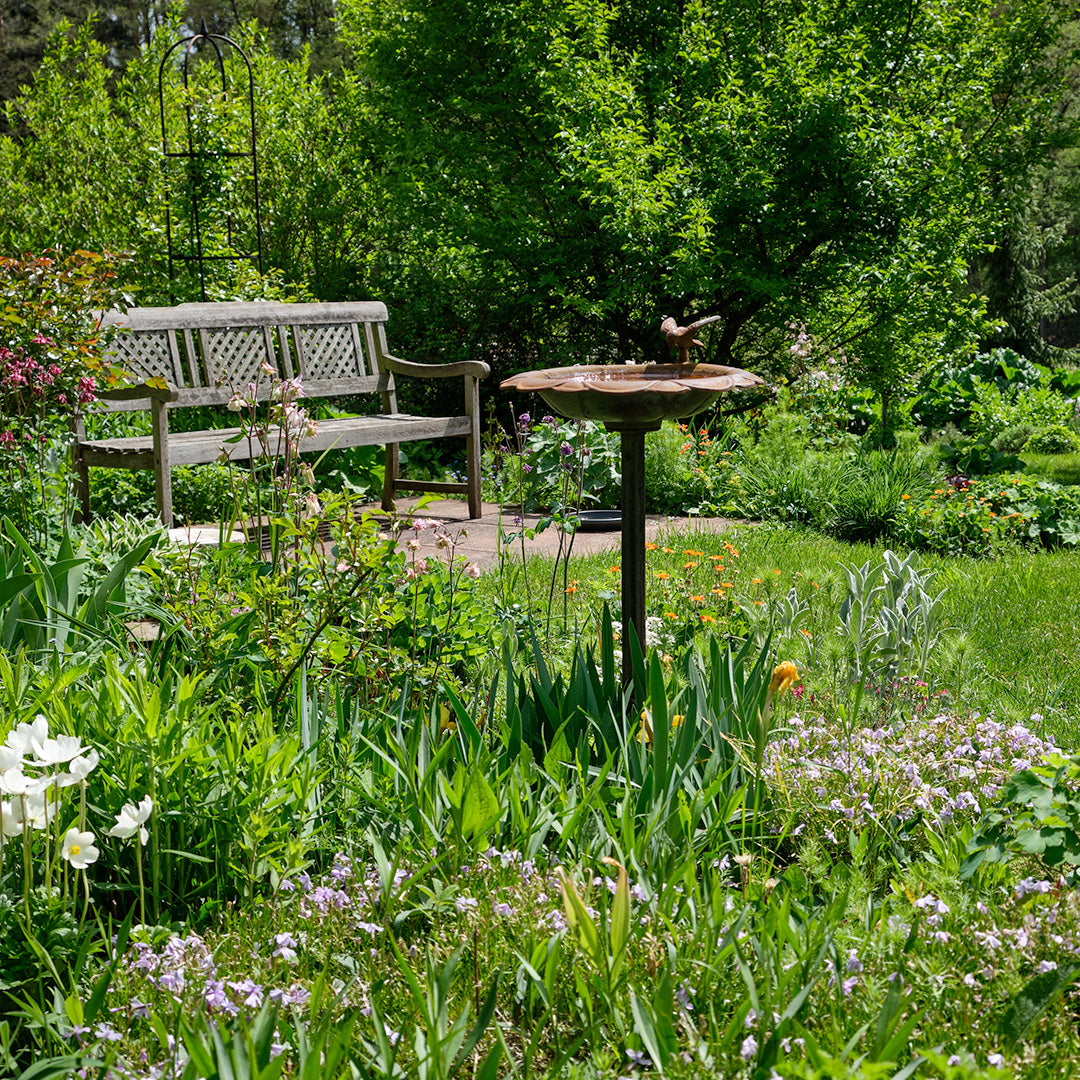
On a personal note, I enjoy seeing and hearing birds in my garden but I don’t personally use window feeders or oversize tubes with lots of ports. I like watching the natural comings and goings. I’m fortunate enough to have plenty of space for flower borders and shrubs and like scattering seeds, dried mealworms and suet pellets around the garden. It keeps the birds ‘on their toes’ having to hunt and feed. Perhaps this dispersal approach to feeding is something I should discuss more, and talk less about the more technical ‘tiered feeding’ approach. Either way, I promise, watching your birds fluttering around the garden is more enjoyable than having them all fighting and competing at a feeding station. I see little jenny wren every morning - many timid birds are present underfoot, while noisy goldfinches squabble with the greenfinches overhead on the feeders. A joy, a privilege, and a responsibility I can't imagine living without.
FAQs – Feeding Birds in Summer
Why should we not feed birds between May and October?
Some organisations, including the RSPB, have advised casual bird feeders to pause feeding during warmer months due to concerns over disease transmission at dirty or overcrowded feeders. The key issue, however, is usually poor feeding hygiene rather than feeding itself. Well-maintained feeders, fresh food, clean water and sensible feeding practices continue to provide enormous benefit to garden birds throughout summer.
Is it safe to feed birds during summer?
Yes. Provided feeding is done responsibly. Fresh food, clean water and regular feeder cleaning dramatically reduce disease risks. Smaller feeders, scattered feeding and moving feeding locations around the garden can also help minimise birds gathering too densely in one spot.
Can dirty bird feeders spread disease?
Unfortunately, yes. Damp food, droppings and overcrowded feeders can allow bacteria, moulds and parasites to spread between birds. This is why hygiene is so important. Clean feeders regularly, replace wet food quickly, and stop feeding temporarily if you notice signs of illness.
What are the signs of disease in garden birds?
Sick birds often appear fluffed up, lethargic or unusually tame. Greenfinches and chaffinches with Trichomonosis may struggle to swallow, drool saliva, or repeatedly attempt to eat without success. If you suspect disease, remove all food and water sources immediately and deep clean feeders before reintroducing them later.
What is the best way to feed birds safely in summer?
Try to make feeding feel as natural as possible. Use several smaller feeders instead of one crowded station, scatter food in different places, provide fresh tap water daily, and keep feeding areas clean. Safe, dry, high-quality food combined with good hygiene gives birds the benefits of supplementary feeding while reducing risks.
Should I stop feeding birds if I see a sick bird?
Yes. If you notice a bird showing signs of disease, remove all feeders and bird baths immediately. Thoroughly clean everything and pause feeding for at least two weeks, longer if symptoms persist. This helps break the cycle of transmission and protects the wider garden bird population.

Sean McMenemy
Founder & Owner
Ark Wildlife