Seeing sick birds at your feeders can be upsetting, especially when the illness spreads quickly through local flocks. Trichomonosis has become one of the most significant diseases affecting British garden birds, particularly finches. The good news is that careful feeding, regular hygiene, and quick action can dramatically reduce the risks. Here’s how to recognise trichomonosis and help keep your garden birds safe and healthy.
How to Prevent Trichomonosis in Birds
What Is Trichomonosis?
Trichomonosis is a disease caused by the microscopic parasite Trichomonas gallinae. It affects the throat and upper digestive tract of birds, making swallowing increasingly difficult. The disease spreads via direct bird to bird contact, and commonly through shared food and water sources. Particularly dirty bird feeders and bird baths where infected saliva contaminates surfaces used by other birds.
Trichomonosis Symptoms
One of the first signs of trichomonosis is a bird struggling to swallow food. Infected birds may repeatedly attempt to eat while appearing to choke or gag. Wet feathers around the beak, excessive saliva, puffed-up plumage, lethargy, and sitting quietly beneath feeders are also common warning signs.
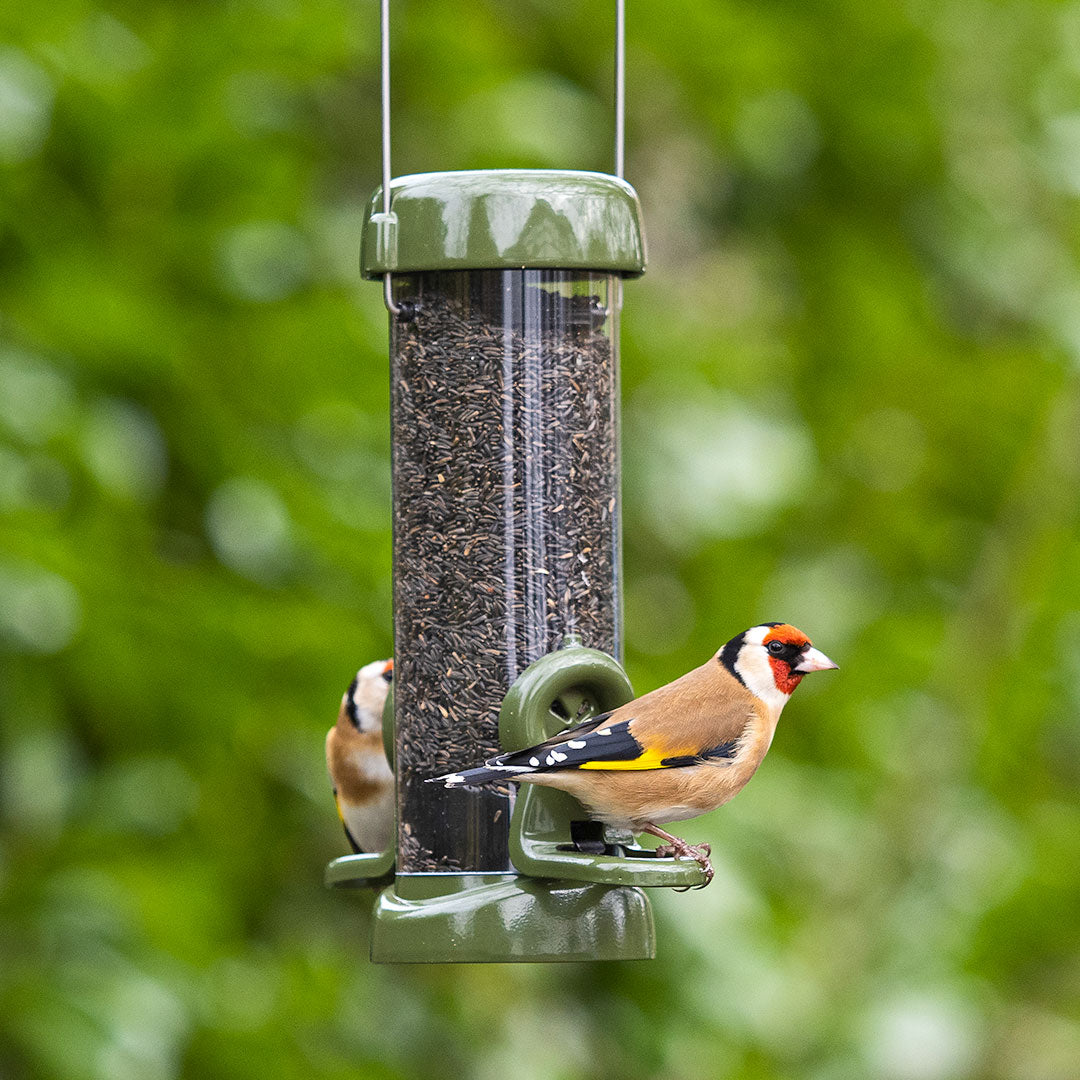
Greenfinches and chaffinches are particularly vulnerable, though other garden birds can be affected too.
Trichomonosis vs Trichomoniasis
The similar names often cause confusion online. If you search for “trichomonosis”, most results return “trichomoniasis” instead. This relates to a human sexually transmitted infection caused by a different species of Trichomonas parasite. NHS pages and medical advice therefore dominate search results.
In birds, the disease is accurately referred to as trichomonosis and is caused by Trichomonas gallinae. While related scientifically, the bird disease affecting finches, pigeons, and doves is entirely separate from the human condition and poses no risk to people through garden bird feeding.
Trichomonosis in Finches and When to Remove Feeders
Since emerging significantly in the UK during the mid-2000s, trichomonosis has had a serious impact on greenfinch populations in particular. Research into finch trichomonosis across the British Isles showed the disease spread rapidly through shared feeding stations where birds congregated closely.
You can read the scientific study here:
Finch Trichomonosis Study – British Isles Research
If you notice multiple sick birds, especially finches showing swallowing difficulties or lethargy, it’s best practice to temporarily remove feeders and bird baths for at least 1–2 weeks, certainly for as long as signs of sickness remain. This helps break the cycle of transmission by dispersing birds naturally and reducing contamination hotspots.

Trichomonosis Prevention
Preventing trichomonosis is largely about good hygiene and thoughtful feeding practices.
Regularly cleaning feeders, rotating feeding areas, and providing fresh food in smaller quantities all reduce disease risk significantly. Damp seed, accumulated droppings, and overcrowded feeding stations create ideal conditions for parasites to spread.
At Ark Wildlife, we recommend:
- Cleaning feeders weekly with a bird-safe disinfectant
- Allowing feeders to dry thoroughly before refilling
- Changing water in bird baths every day
- Rotating feeding locations where possible
- Avoiding excessive crowding at feeding stations
- Removing wet or mouldy food immediately
Simple habits make an enormous difference to bird health.
Is Trichomonosis Fatal for Birds?
Sadly, trichomonosis is often fatal if birds become severely infected. The parasite causes lesions in the throat and upper digestive tract, eventually preventing birds from swallowing food or water properly. Weakness, dehydration, and starvation usually follow.
However, early intervention through feeder hygiene and temporarily stopping feeding during outbreaks can reduce transmission and help protect local bird populations from larger outbreaks.
Reporting Suspected Cases of Trichomonosis
If you notice multiple sick or dead garden birds, particularly greenfinches or chaffinches, it’s helpful to report sightings to wildlife health monitoring organisations.
In the UK, suspected disease outbreaks can be reported through:
Monitoring helps scientists track outbreaks, understand disease spread, and improve guidance for protecting wild birds nationally.

Conclusion
Trichomonosis may sound alarming, but responsible bird feeding remains hugely beneficial to garden wildlife. Clean feeders, fresh water, careful observation, and quick action when problems arise all help keep birds healthy. With good hygiene and sensible feeding habits, your garden can remain a safe and valuable refuge for finches and all garden birds visiting throughout the year.
FAQs: Trichomonosis in Birds
How long does Trichomonas gallinae survive on bird feeders?
The parasite survives best in moist environments and can persist for several hours, sometimes longer, on damp feeders or in contaminated water. Thorough cleaning and complete drying kill the organism effectively.
What are the best disinfectants for bird baths and feeders?
Bird-safe disinfectants specifically designed for wildlife equipment are best. Hot water combined with specialist products such as Ark-Klens helps remove parasites safely without leaving harmful chemical residues.
Is bird trichomonosis contagious to cats or dogs?
No. The strain affecting garden birds is not considered a significant risk to domestic cats or dogs. The disease primarily spreads between birds through direct contact, or contaminated food and water sources.
Does drying bird feeders in direct sunlight kill Trichomonas parasites?
Drying feeders thoroughly, especially in UV sunlight, helps reduce parasite survival significantly. Trichomonas organisms struggle to survive once surfaces become completely dry.
Is canker in birds dangerous to humans?
No. Avian trichomonosis, often called ‘canker’ in pigeons and doves, is not considered dangerous to humans. Basic hygiene, such as washing hands after handling feeders, is still recommended.
Which birds are most affected by trichomonosis?
Greenfinches and chaffinches are among the most commonly affected garden birds in the UK, though pigeons, doves, and other finches such as bullfinches can also carry or spread the parasite.
Should I stop feeding birds completely during an outbreak?
Yes. If sick birds appear on your feeders, temporarily stop feeding for 1–2 weeks immediately. More importantly, do not resume feeding until all signs of illness have disappeared and no sick birds have been seen for several days. This helps disperse birds naturally, reduces close contact between individuals, and breaks the cycle of disease transmission.
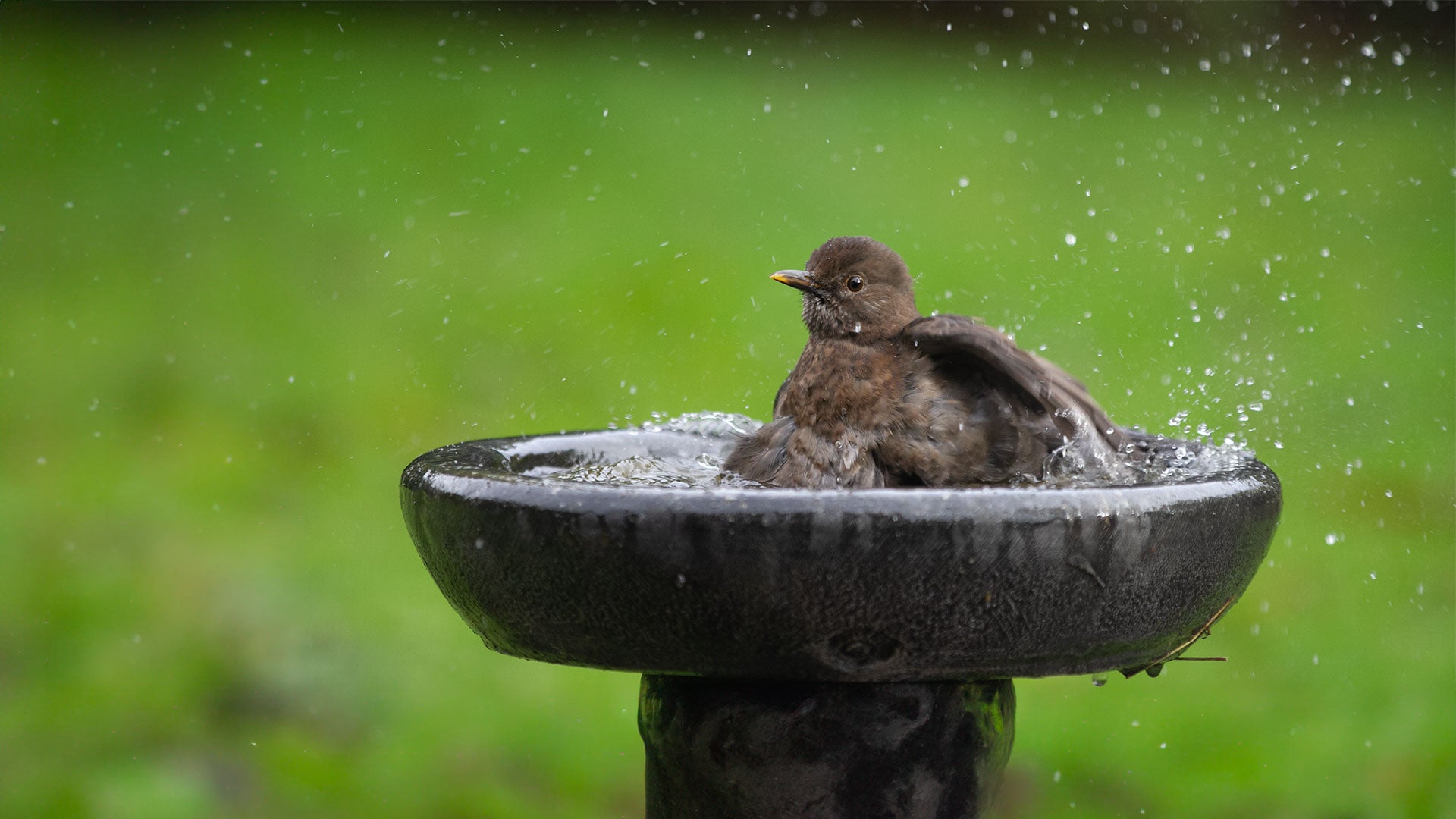
Can dirty bird baths spread trichomonosis?
Yes. Shared water sources can spread infected saliva between birds just as easily as feeders. The trichomonosis parasite can survive within the organic debris, biofilm, and saliva that builds up in poorly maintained bird baths. Replacing water daily with fresh chlorinated tap water, alongside frequent cleaning and scrubbing, helps keep birds safe, especially during warm weather when drinking and bathing activity increases dramatically.