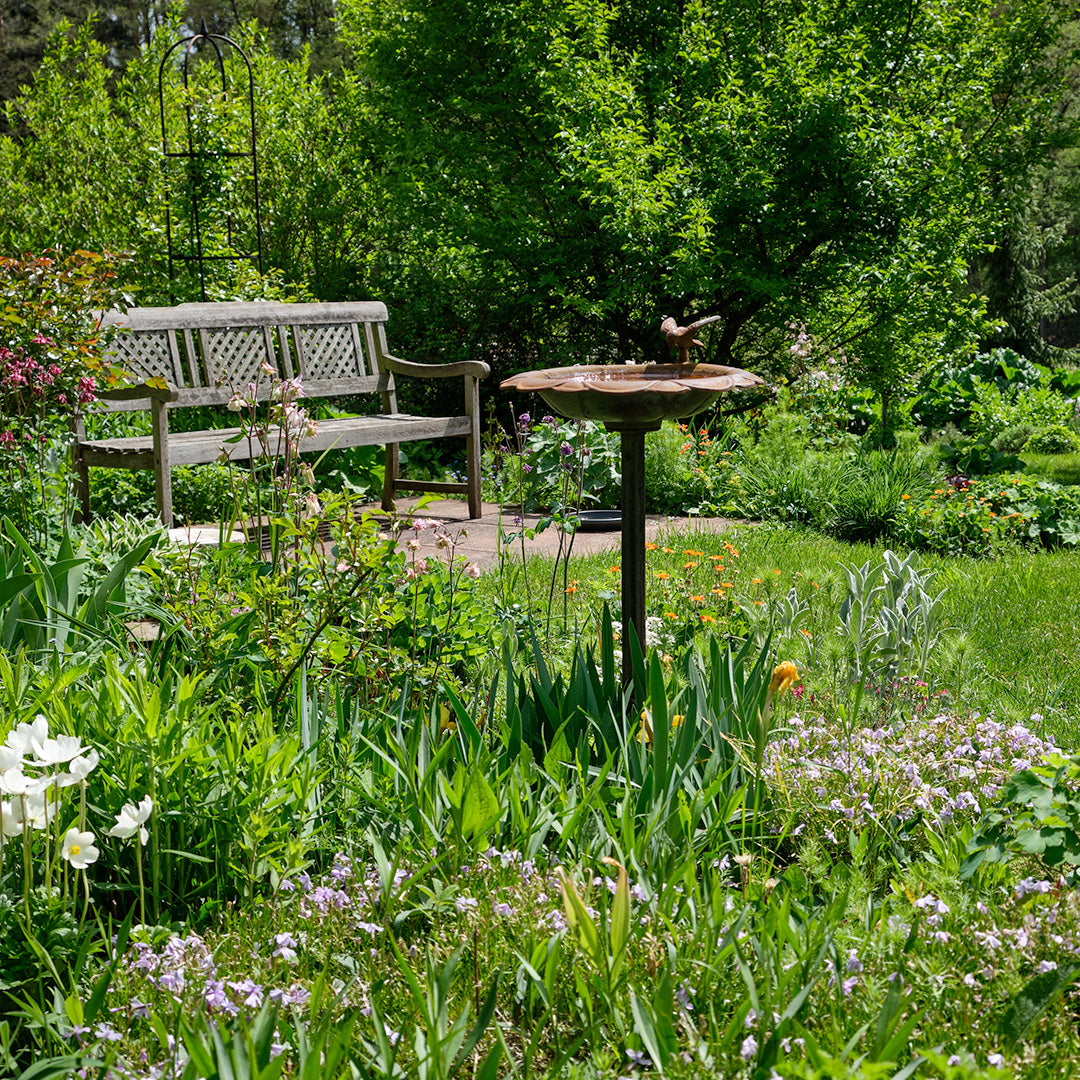
Stand in any British garden, and you’ll see a living, breathing tapestry of life, hedgerows buzzing, birds singing, and flowers nodding in the breeze. It feels ancient, timeless and untouched...
...But look a little closer, and you’ll find our landscapes are shaped by continuous movement, migration, and change. Many species we hold dear, those that feel as British as a cup of tea, are in fact travellers who’ve taken root here. Just as these species have found their place in our landscape, the simple act of letting our lawns grow naturally for one month can reveal surprising biodiversity that’s been there all along, waiting for the right conditions to flourish.
Some newcomers are obvious, like the rose-ringed parakeet, whose vivid flashes of green and tropical screeches feel almost surreal against an English sky. Others, like the harlequin ladybird, slip in unnoticed at first, only to outcompete their native cousins. The snowdrop, signalling the start of spring, feels like it’s always been, but was likely brought here by monks centuries ago. Or the Canada goose, honking across our lakes as if they’ve always belonged, except they were introduced in the 17th century and never left. None of these creatures asked to be here - they’ve simply done what nature does: survive, adapt, and thrive.

We live in a time of unprecedented change. The climate is warming, goods and people travel across the planet by sea and air, bringing with them all sorts of guests, intended and not. It’s not just human populations on the move; our landscape itself is changing just as rapidly.
And amongst it all, orchids continue to grow. Little gems and jewels, so exotic they feel foreign, but many are native. Orchids are the ultimate seal of approval from nature. If you find one in your garden, whether it’s a Common Spotted Orchid nestled in long grass or a surprising Bee Orchid, nature’s telling you: You’re doing something right.

So next time you step outside, look closer. Your garden is part of something much bigger, a shifting, evolving world of nature on the move. By participating in No Mow May, you’re not just letting your grass grow - you’re giving nature the chance to reveal its hidden treasures and building a future where our gardens and wildlife thrive together.
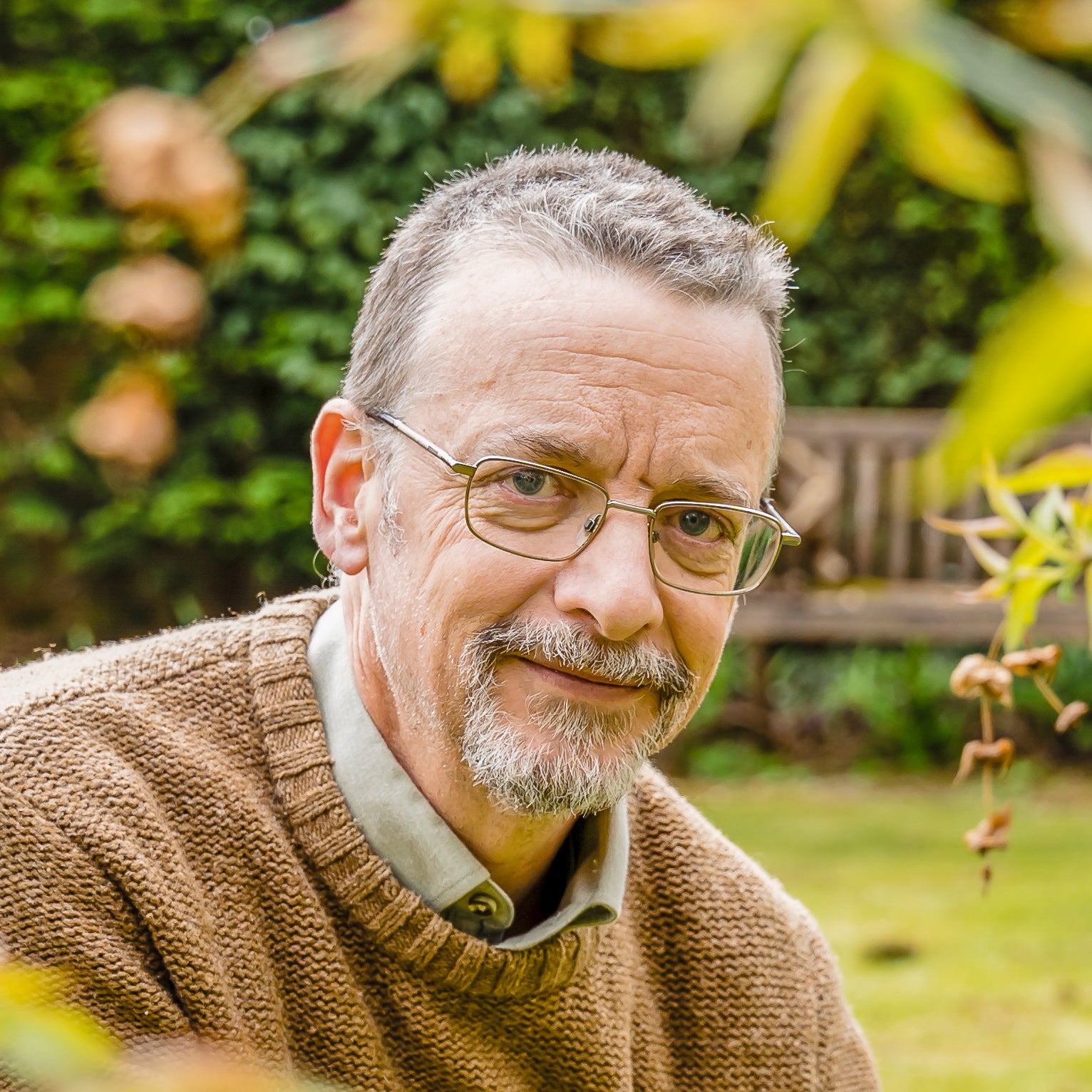
Sean McMenemy
Founder & Owner
Ark Wildlife