A - Z Garden Bird Identification Index
(Fringilla montifringilla)
A close relative of the Chaffinch, the Brambling is a colourful winter visitor to the UK, arriving from Scandinavia, Finland and northern Russia as the weather turns colder.
What does a Brambling look like?
Length: 14cm.
The Brambling is similar in size and shape to a Chaffinch, with colourful plumage that makes it a particularly attractive winter visitor. It has a distinctive rusty-orange breast and shoulders, a pale belly and dark wings marked with white and buff-coloured patches. One of its most recognisable features is its white rump, which is particularly noticeable when it takes flight.
Male Bramblings have more striking markings than females. During winter, their heads are mottled grey-brown and black, becoming almost entirely black as they develop their breeding plumage in spring. Females are generally paler, with a grey-brown head and softer orange colouring across their breast.

Brambling winter and spring plumage
Bramblings change dramatically throughout the seasons. During winter, male Bramblings have a mottled grey-brown head and back, rather than the solid black colouring seen during the breeding season. Their rusty-orange breast and shoulders remain distinctive, alongside a pale belly and dark wings with white markings. As spring approaches, their plumage gradually changes, developing the striking black head and back.
The Brambling's bill changes from yellow in winter to a striking blue-black as the breeding season approaches.
What is the difference between a brambling and a chaffinch?
Bramblings are often confused with Chaffinches, particularly when feeding together in large flocks. Bramblings have a distinctive orange breast and shoulders, a white belly and a dark, mottled back. Chaffinches, by comparison, have a pinkish-red breast, grey-blue crown and more uniform brown back. Bramblings also have a noticeable white rump, which is particularly easy to spot in flight.
Brambling call and song – What does a brambling sound like?
Bramblings have a distinctive nasal call, often described as a short, rising 'che-eep' sound.
Where and when do bramblings nest?
Most Bramblings visiting the UK do not breed here. They spend the winter feeding across Britain before returning to their breeding grounds in Scandinavia and northern Europe during spring.
Breeding generally takes place between May and July. Bramblings usually nest in woodland, particularly birch and mixed forests, where the female builds a cup-shaped nest in a tree or shrub using moss, grass, twigs and other plant material.
The female typically lays five to seven eggs, which she incubates for around 11–12 days. Once the chicks hatch, both parents help feed them, and the young usually leave the nest after around 13–14 days.
A very small number of Bramblings occasionally breed in the UK, particularly in northern Britain, but they remain an exceptionally rare breeding species here.
Brambling habitat
Bramblings favour woodland, particularly beech forests, where fallen seeds and nuts provide an important source of food. They can also be found in farmland, hedgerows, parks and gardens, particularly during the winter months.
They are highly sociable birds and often gather in large flocks, regularly joining Chaffinches and other finches where food is plentiful. During autumn and winter, they can be spotted feeding on the woodland floor, searching through fallen leaves for beech mast and other seeds.
Their movements are closely linked to food availability. When beech mast is scarce or heavy snowfall makes natural food difficult to reach, large numbers may move further west into the UK in search of suitable feeding grounds.
How long do bramblings live for?
Like many wild birds, the lifespan of a Brambling can vary depending on conditions, food availability, weather and predation.
Bramblings face a number of challenges during their long migrations between breeding and wintering grounds. However, some individuals can live for several years in the wild, with the oldest recorded ringed bird reaching over eight years of age.
What do bramblings eat in the wild?
Bramblings have a varied diet that changes throughout the year. During autumn and winter, seeds, nuts and berries make up most of their food, providing an important source of energy during colder weather.
What to feed bramblings in the garden?
Unlike some winter visitors that prefer fruit and berries, Bramblings are particularly fond of seeds and nuts. Although they are more commonly found in woodland and farmland, they will readily visit gardens, especially during colder weather when natural food supplies become harder to find.


Classic Sunflower Hearts
- Regular price
- From £4.75
- Sale price
- From £4.75
- Regular price
-
- Extra value: the same great nutrition at a more competitive price
- Nutritious: the same high-oil bakery grade seeds with just a few more broken bits
- Well-liked: universally enjoyed by garden birds in feeders, bird tables or scattered on the ground

Peanut Granules
- Regular price
- From £6.80
- Sale price
- From £6.80
- Regular price
-
- High-quality: made of the freshest peanut kernels on the market
- Bite-sized: suitable for small species of birds and fledglings
- Tested and tasty: completely free from aflatoxins and bird safe


Niger Seed
- Regular price
- From £5.90
- Sale price
- From £5.90
- Regular price
-
- 100% natural: packed with only the highest quality, nutritious ingredients
- Enticing: goldfinches are renowned for their love for niger seeds
- Nutritious: always with premium oil and high protein content
Where should you feed bramblings?
Feeder – Ideally 1m in height
Table – Open topped or covered
Ground – Scatter food in the open
How to attract bramblings to your garden
If you'd like to encourage Bramblings into your garden, the best approach is to provide plenty of suitable seeds, nuts and natural food sources throughout autumn and winter.
Planting trees and shrubs that produce seeds and berries can help create a welcoming environment for visiting finches. Beech trees are particularly valuable where space allows, providing the beech mast that Bramblings naturally favour.
Keeping bird feeders topped up with sunflower hearts, peanuts and quality seed mixes can also help attract them, particularly when natural food becomes scarce. Remember to provide a clean feeding area and remove any uneaten food regularly.
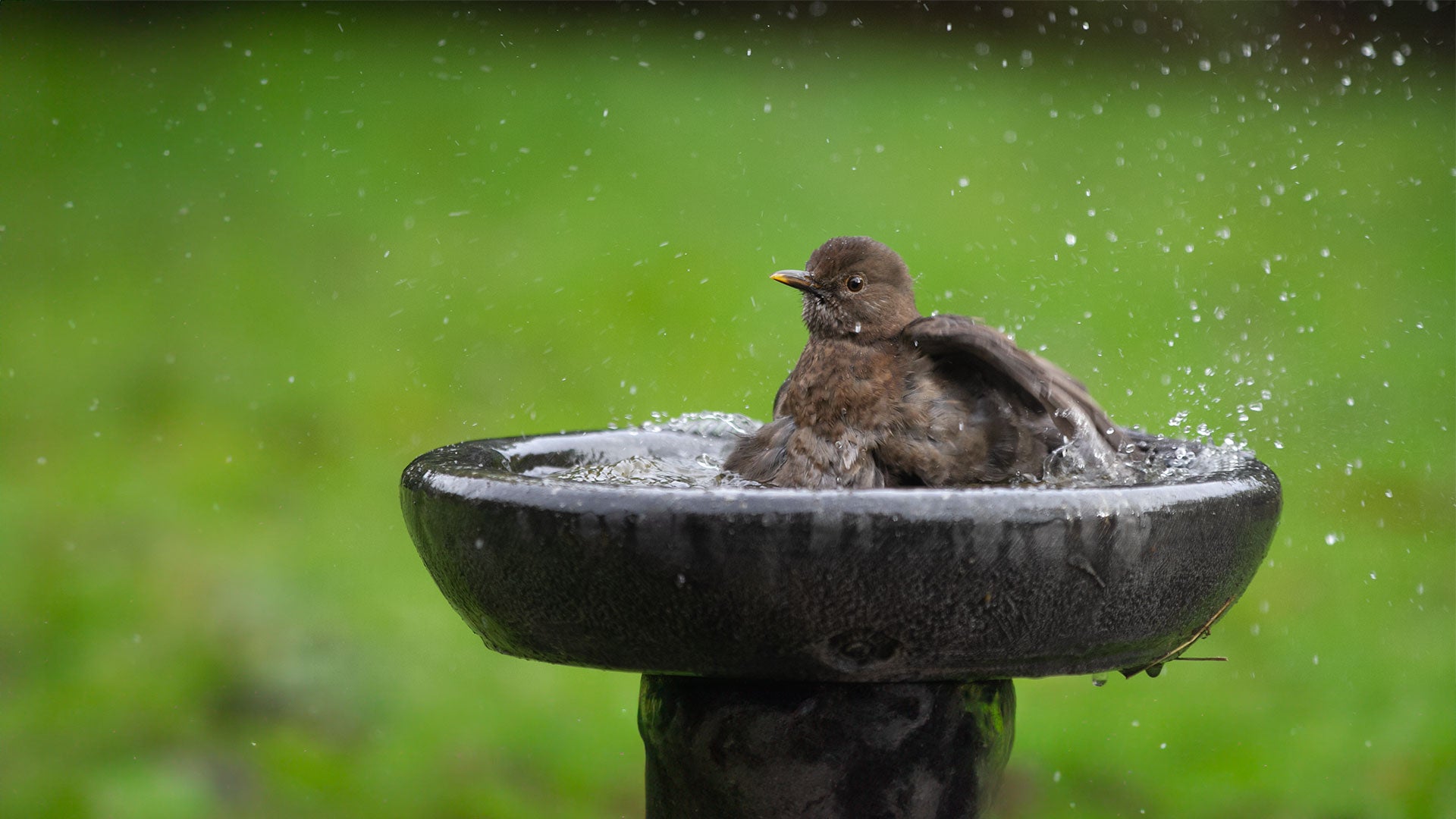
Providing a shallow bird bath with fresh, clean water is another simple way to support visiting birds throughout the colder months. Remember to check it regularly during freezing weather to ensure the water remains accessible.
Bramblings can be easily overlooked amongst flocks of Chaffinches, so keep an eye out for their rusty-orange colouring and distinctive white rump. With suitable food, a welcoming garden and a little patience, you may be lucky enough to spot one of these beautiful winter visitors.