A - Z Garden Bird Identification Index
(Lophophanes cristatus)
A small bird restricted to the area of Northern Scotland, often seen searching amongst the trees for pine nuts and invertebrates. This smart bird will cache food to last them through the winter.
Crested Tit Identification
Length: 12 cm
The Crested Tit is a small, distinctive member of the tit family, roughly similar in size to a Coal Tit. Its most recognisable feature is its striking black and white pointed crest, which can be raised upright or flattened against its head.
It has grey-brown upperparts, pale buff-coloured underparts and a distinctive black and white facial pattern. A black bib beneath its chin extends into markings around its cheeks, creating an unmistakable appearance. Its wings are dark brown with subtle pale markings.
Male and female Crested Tits look very similar, making them difficult to distinguish in the wild. Younger birds tend to have slightly duller colouring and a less pronounced crest.

Crested Tit Call & Song
They emit soft trilling notes and a ‘sii-sii-sii’.
When and where do Crested Tits nest?
Crested Tits remain in Scotland throughout the year and do not migrate elsewhere to breed.
Breeding generally takes place between March and June. Unlike many other tits, which use existing tree cavities or nest boxes, Crested Tits are capable of excavating their own nesting holes in soft, rotten or dead wood.
The female usually takes responsibility for excavating the cavity, which she lines with moss, lichen, hair and other soft materials to create a comfortable nest.
She typically lays five to six eggs, which she incubates for around 13–16 days. Once the chicks hatch, both parents help feed them, and the young usually leave the nest after around 20–25 days.
Crested Tits are specially protected under Schedule 1 of the Wildlife and Countryside Act 1981, meaning additional protection applies to their nests and breeding activities. It is important not to disturb them during the breeding season.
Crested Tit Habitat
In the UK, Crested Tits are found almost exclusively in northern Scotland, particularly within the ancient Caledonian pine forests and surrounding Scots Pine plantations.
They favour mature pine woodland with plenty of old trees, dead wood and natural vegetation. These habitats provide important nesting opportunities and a plentiful supply of insects, spiders and pine seeds.
Crested Tits are particularly associated with the Scottish Highlands, where they can be spotted moving actively through the branches of Scots Pine trees. They are highly agile birds, often seen hanging upside down from branches and searching beneath bark and amongst pine needles for food.
Although they generally remain within the same woodland territories throughout the year, they may become more sociable during winter, joining mixed flocks with other small woodland birds, including Coal Tits and Goldcrests.
What do Crested Tits eat in the wild?
Crested Tits have a varied diet, feeding on a combination of insects, spiders and seeds throughout the year. Their diet changes with the seasons, depending on which natural food sources are available.
One interesting behaviour is their habit of storing food for later. Crested Tits collect seeds and insects when food is plentiful, hiding them in small crevices beneath bark and lichen. They can then return to these hidden supplies when food becomes harder to find during winter.
What to feed Crested Tits in the garden?
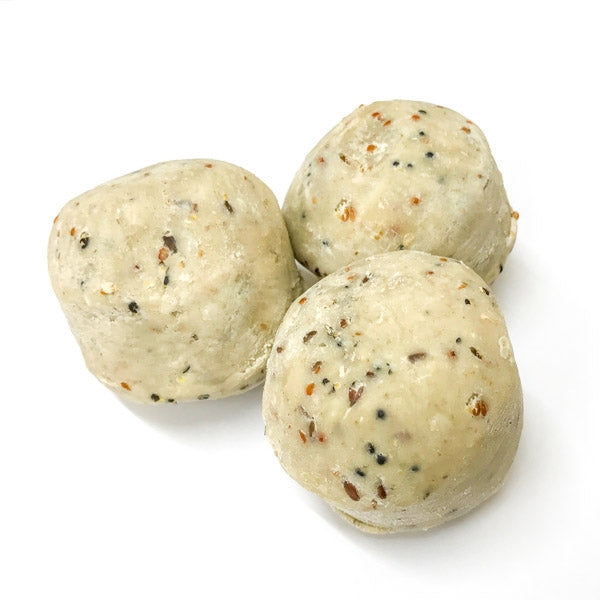
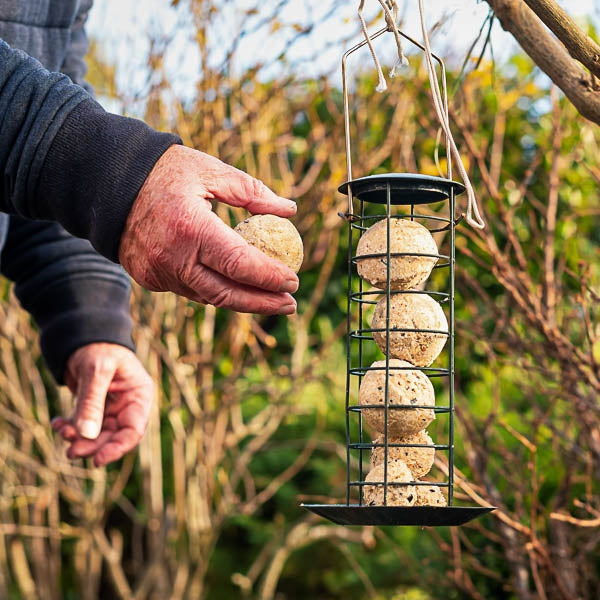
Ark Suet Balls with Insects
- Regular price
- From £4.75
- Sale price
- From £4.75
- Regular price
-
- All-rounder: a delicious treat for garden birds throughout the year
- Protein-packed: with added dried insects for a healthy boost
- Quality: 26% fat content – much higher than most standard fat balls
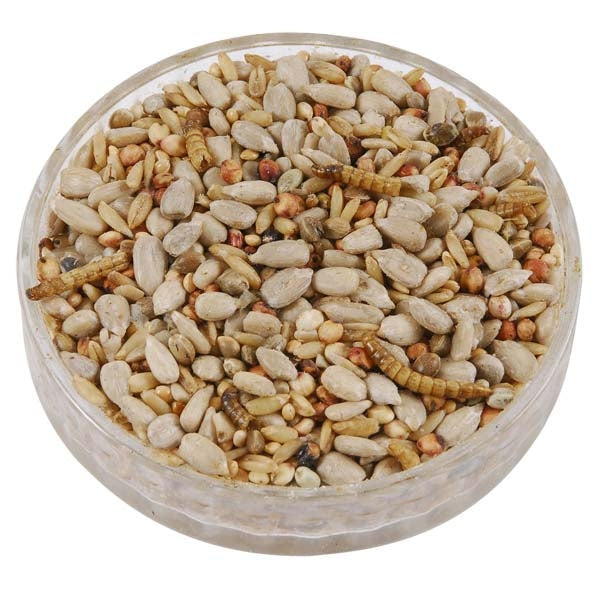

Ark Hearty™ Mealworm Mix
- Regular price
- From £6.35
- Sale price
- From £6.35
- Regular price
-
- High-quality: premium mealworm mix with extra protein
- Versatile: suitable for year-round use
- Caring: wheat free with zero fillers
Live Mealworms
- Regular price
- From £9.25
- Sale price
- From £9.25
- Regular price
-
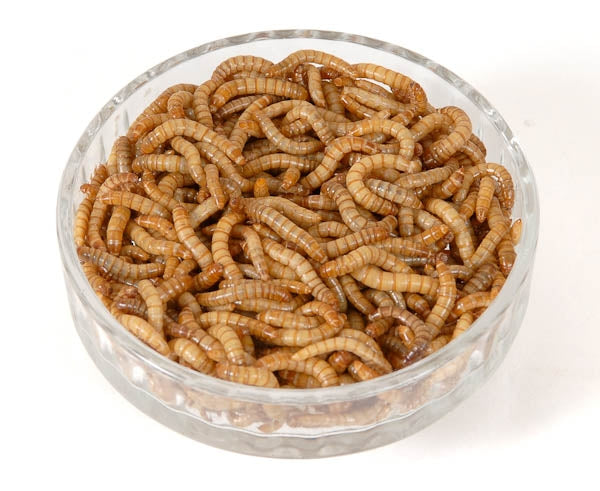
- Ideal for all insect eating garden birds
- Excellent nutrition for young birds during the breeding season
- Please Note: These items are posted directly from the Live Food Farm by Royal Mail 1st class post and do not count towards your basket total
Where should you feed Crested Tit?
Feeder – Ideally above 1m in height
Table – Open topped or covered
Ground – Not Suitable
How long do Crested Tits live?
The average life expectancy of a Crested Tit reaching breeding age is around two years, although some individuals live considerably longer.
Like many small woodland birds, they face natural challenges including predation, food shortages and harsh winter weather. However, one ringed Crested Tit was recorded living for almost eight years, demonstrating that they can survive much longer when conditions are favourable.
Where do Crested Tits go in the winter?
Crested Tits are resident birds, meaning they stay in their Scottish woodland habitats throughout the winter rather than migrating to warmer countries. They remain active all year round, continuing to search for insects, spiders and pine seeds, although they may join mixed flocks with other small woodland birds during the colder months.
How to attract Crested Tit to your garden?
If you're lucky enough to live near Crested Tit habitat in northern Scotland, there are a few ways to make your garden more welcoming to these unusual little birds.
The best approach is to provide a variety of natural food sources and suitable feeding opportunities. Planting native trees and shrubs can help support insects and provide additional shelter for visiting wildlife. Scots Pine is particularly valuable where space allows, providing a natural source of seeds and suitable habitat.
Keeping bird feeders topped up with mealworms and suet can also provide an additional food source throughout the colder months.
Providing a shallow bird bath with fresh, clean water is another simple way to support visiting birds throughout the year. Remember to clean it regularly and check that the water remains accessible during freezing weather.
Crested Tits are naturally associated with mature Scottish pine forests, so attracting them to your garden elsewhere in the UK is unlikely. However, by providing suitable food, shelter and natural planting, you can help support the many other small birds that share their woodland habitat.