Suet for Birds

Read More
Blackbird with beak full of suet pellets

Showing 25-25 of 25 products

Sort by:
Sort

Sort

Showing 25 of 25 products

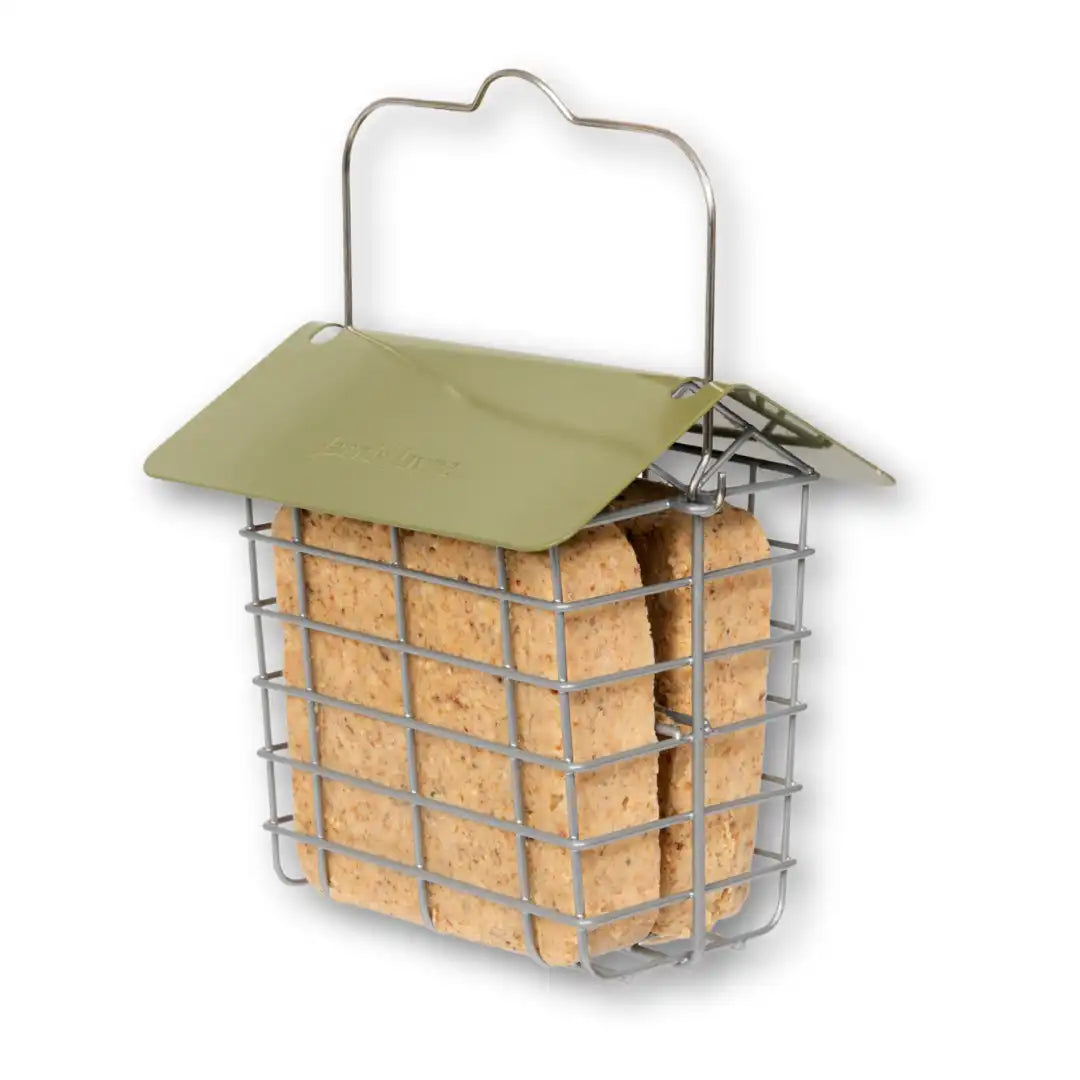
  • Duo Suet Block Basket

    Duo Suet Block Basket

    Regular price
    £15.95
    Sale price
    £15.95
    Regular price
    • Feeds more birds at once with space for two large suet blocks
    • Keeps suet cakes drier and cleaner thanks to a pitched roof and open-sided design
    • Strong, chew-proof metal build for reliable, year-round feeding
Showing 25-25 of 25 products

Our suet treats are 100% natural, providing a nutritious and healthy food option for birds by helping them to use fat when food is scarce.

A healthy source of fat

Suet treats can help to supplement the fat in birds' diets, allowing them to flourish and thrive at all times of the year. Suet is a simple solution designed to attract birds to your garden, giving them the boost they need with a healthy extra source of fat. Unlike other sources (such as solidified cooking fat), the texture of suet means it does not smear onto birds feathers, instead acting as a safe and efficient source of energy.

Why choose Ark Wildlife?

Suet is produced by melting the highest quality tallow fat and blending it with a variety of seeds, nuts, berries and insects. Ark has a selection of suet treats that provide a nutritious meal for birds throughout the year. We care about the wildlife that enjoy our products: that’s why all of our suet for birds are net free. Suet provides a crucial source of fat for birds when it’s in short supply, so having suet in your garden will not only encourage feathered friends to visit, but will also support their health and wellbeing all year round.

Suet varieties

There are a wide variety of suet products in our collection, all hand-selected for their simplicity, without sacrificing quality. Our choice of high quality suet products includes suet balls, suet cakes, suet feasts, suet pellets and Flutter Butter, all of which provide essential fats and amino acids. These high-energy offerings not only nourish local birds, but can create a vibrant spectacle in your back garden. By choosing from this premium suet selection, you can nurture the nature around you and revel in the excitement of a thriving wildlife haven right outside your window.

FAQs

Find answers to our most frequently asked questions.

If you cannot find the answer to your query within these FAQ’s please call our customer service team on free phone 0800 085 4865 between 9.00am – 5.00pm Monday to Friday and we’ll be happy to answer your questions.

Read all FAQs

Outside of office hours please complete the form on our Contact Us page and we will respond to your request within 1 working day of our return.

Where is the best place to put suet for birds?

Suet for birds is best placed in a suet and fat ball feeder, which can be hung from trees, poles or feeder stations. The wire on these cage-style feeders makes them easy for small birds to grip and feed whilst also keeping the suet dry.

What birds eat suet pellets?

Suet pellets are popular with a variety of birds, but are particularly popular with insectivore or omnivore birds, these are the birds that eat insects fruit and nuts. They include blackbirds, song thrush, robins, nuthatches, long-tailed tits and woodpeckers. Due to their smaller size, suet pellets are also suitable for robins, dunnocks as well as fledglings.

Why is suet so good for birds?

Birds naturally convert fruit, oily nuts and insects that they eat into fat to use and to store when food is scarce, so by providing fat balls and suet balls, you are helping them. Birds need fat for energy, keeping them warm, flying and singing. Garden birds even use fat stores overnight when they are still burning energy to stay alive.

How are the suet balls sold on Ark Wildlife made?

The suet for birds on our website are produced by hand picked suppliers that melt the highest quality tallow fat and blend it with a variety of seeds, nuts, berries and insects. These 100% natural suet treats are then poured into one of a number of shaped trays or rolled into balls and pellets and allowed to harden.

What birds do suet feasts attract?

Suet feasts attract most common garden bird species into the garden and are an excellent addition to any bird’s diet, both during the cold winter months and when rearing fledglings in the spring.

My suet is barely touched in winter. Is it too hard for them?

Cold weather can make some suet products firmer, but this does not necessarily mean birds will stop eating them. Bird activity at suet feeders can vary throughout the year depending on natural food availability, the species visiting your garden and how much other food is available. Softer, high-energy suet products may be easier for birds to access during very cold weather. If a block is being left untouched, try offering a different suet product or placing small pieces on a suitable feeding tray.

Does suet melt in summer?

Yes, our natural suet can soften or melt in high temperatures because this is how fat naturally behaves when heated. Unlike some lower-quality suet products, our suet contains no harmful fillers or unnecessary ingredients to make it artificially heat-resistant. During a heatwave, position your suet feeder somewhere cool and shaded where possible, keep spare suet in a cool, dry place and check the feeder regularly for signs that the food is becoming too soft.

How long does it take for birds to try something new?

It can take birds a few days or weeks to become familiar with a new food, particularly if they have been eating something different. Birds can be cautious about unfamiliar foods and may take longer to investigate when natural food is readily available. Keep the new food fresh and give birds time to discover it rather than changing it again too quickly. Once they become accustomed to it, you may find that activity at the feeder gradually increases.

Which birds does suet attract?

Suet can attract a wide range of garden birds, including blue tits, great tits, long-tailed tits, great spotted woodpeckers, nuthatches, starlings and wrens. Blackbirds may also take crumbled suet from a ground-feeding tray. Suet is a high-energy food, making it particularly useful during colder weather when birds need more energy to maintain their body temperature. Offering it alongside seeds and other suitable foods can provide a varied food source for different garden bird species.

FREE Express Delivery Over £40

To most UK postcodes

60-Day Money Back Guarantee

Buy with confidence

Over 500,000 Satisfied Customers

Quality at the heart of everything we do

Rated 4.9/5 for Customer Service

Verified independent reviews