How slowing down among trees can change the way we experience nature, ourselves and the wildlife living alongside us.
There is a particular moment that can happen when we enter a woodland without a destination in mind. At first, our thoughts are usually somewhere else. We may still be thinking about the message we received that morning, the work waiting for us tomorrow or the list of things we need to do when we get home. Our body may be walking beneath the trees, but our attention has not quite arrived with it.
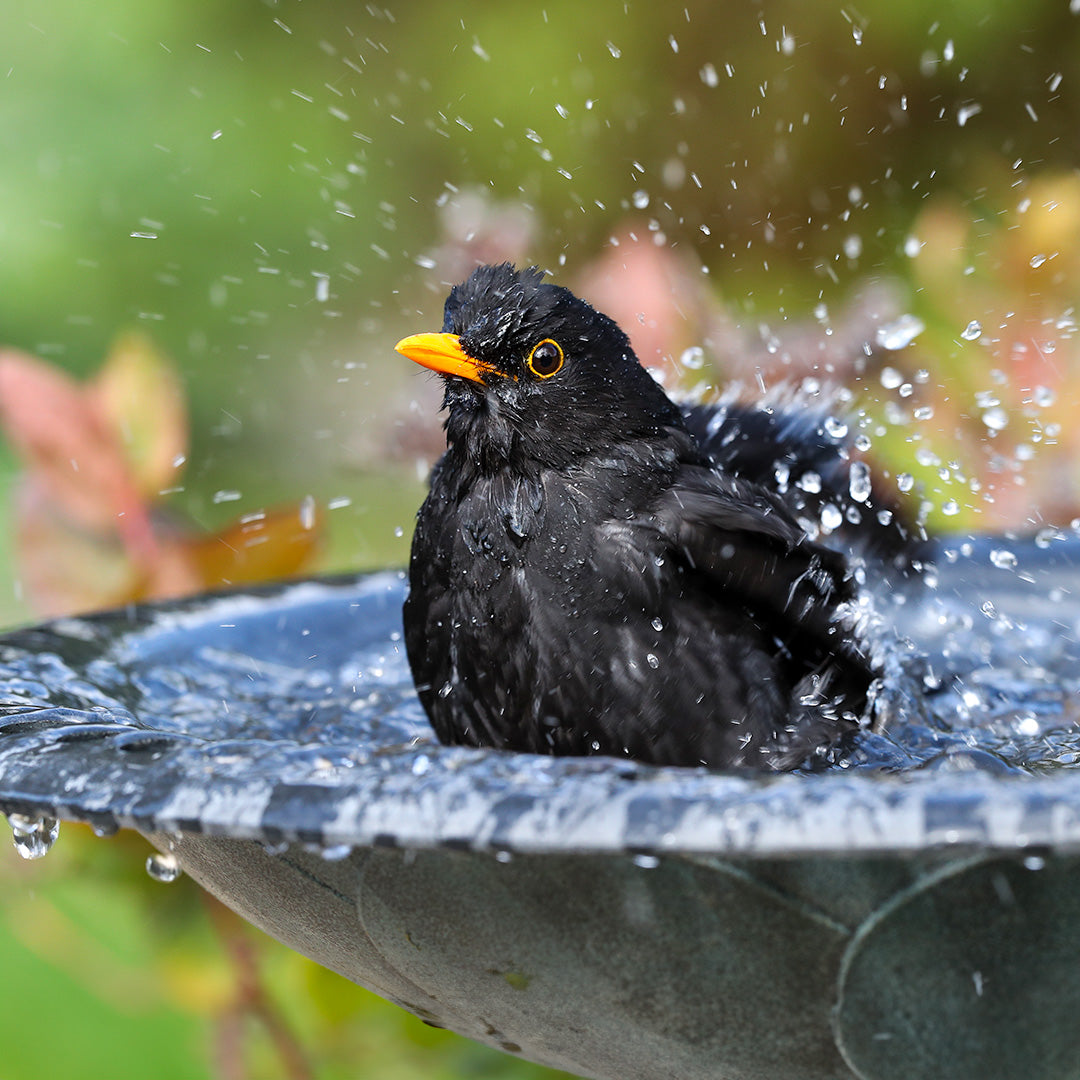
Then, gradually, something changes. Perhaps we hear a blackbird calling from somewhere beyond the path. We notice the movement of leaves high above us, or the coolness of the air beneath the canopy. After rain, there may be the unmistakable scent of damp earth, moss and decomposing leaves. A shaft of sunlight moves across the forest floor. What had initially appeared to be a wall of green begins to separate into hundreds of individual shapes, textures, sounds and movements.
Nothing in the woodland has suddenly changed. We have simply started to notice it.
This transition from moving through nature to consciously experiencing it lies at the heart of Forest Bathing, or Shinrin-yoku. The term originated in Japan in the 1980s and is commonly understood as taking in the atmosphere of the forest. Despite the English name, there is no water involved. Forest Bathing is an invitation to slow down, engage the senses and spend unhurried time within a forest environment.
Over recent decades, it has developed from a Japanese practice into an international field of interest encompassing nature connection, wellbeing and scientific research. Yet its central idea remains beautifully simple: we spend so much time surrounded by nature without necessarily being present within it. Forest Bathing asks us to return.
More Than a Walk in the Woods
At first glance, Forest Bathing can sound like an elaborate name for something humans have always done: going for a walk in the woods. There is, however, an important difference. A conventional woodland walk usually has a destination or purpose. We follow a route, cover a certain distance, walk the dog, exercise or try to reach a viewpoint before lunch. None of these things are wrong, but our attention often remains focused on where we are going.
Forest Bathing deliberately removes much of that sense of achievement. There is no target distance, no required pace and no summit to reach. A session may cover surprisingly little ground because the experience is not measured in kilometres. Instead, attention is directed towards sensory awareness: the feeling of air against the skin, the layers of sound within the canopy, the texture of bark, the scent of damp soil, the movement of light and shadow, and the subtle changes that become visible when we stop hurrying.
These observations may sound simple, but they reveal something important about modern life. We have become remarkably good at being physically present in one place while mentally inhabiting another. Even in nature, we track routes, count steps, photograph views and think about what comes next. Forest Bathing reverses that relationship. Rather than treating woodland as scenery surrounding an activity, the woodland itself becomes the experience.
Britain Is Made for This
Forest Bathing is still frequently illustrated with images of Japanese cedar forests or vast, remote wilderness. This can create the impression that the practice requires somewhere spectacular. It does not. In many ways, Britain is particularly well suited to Forest Bathing precisely because its relationship with woodland is so varied and intimate.
Across the country we find ancient broadleaf woods, Atlantic oakwoods, Caledonian pinewoods, beech forests, wooded river valleys, mixed forests, urban woods, community woodlands and small fragments of old forest tucked unexpectedly between towns, roads and farmland. Some are enormous; others can be crossed in twenty minutes. Size is not the decisive factor.
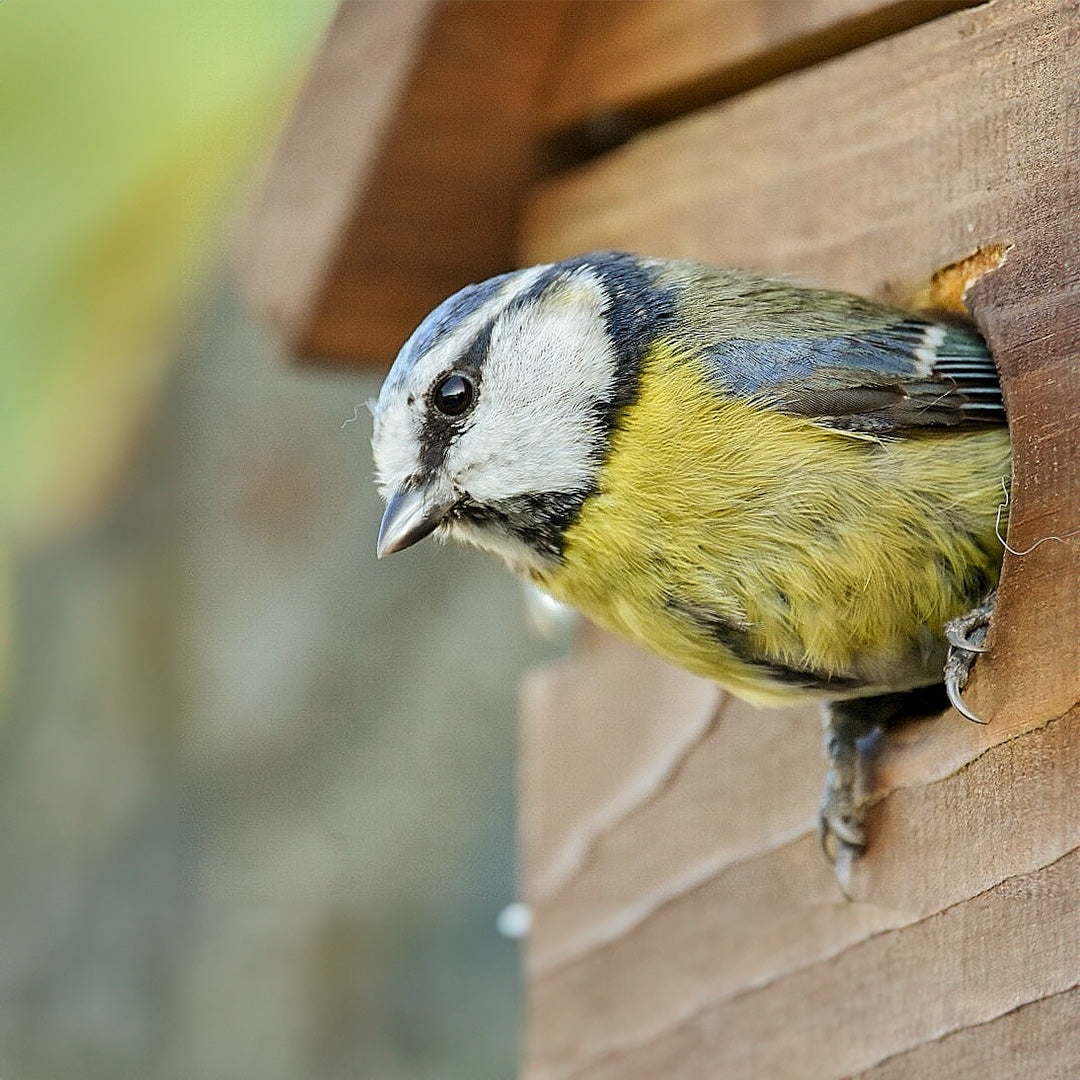
A relatively small British woodland can contain an extraordinary concentration of life. Oak, birch, beech, hazel and holly create different layers of vegetation. Mosses and lichens transform bark and stone into miniature landscapes. Fallen timber becomes habitat. Fungi appear almost overnight and disappear just as mysteriously. Robins, wrens, blackbirds, tits and woodpeckers occupy different niches within the same seemingly quiet patch of woodland. The more slowly we move, the larger this world seems to become.
Seasonality adds another dimension. In early spring, light can still reach deep into the woodland before the canopy closes. Soon come fresh leaves, woodland flowers and an increasingly rich morning chorus. Summer creates a green ceiling overhead, changing the light, temperature and acoustics below. Autumn brings seeds, fruit, fungi, colour and the earthy scent of leaves beginning their return to the soil. Winter reveals structures hidden during the rest of the year: branches, bark, nests, tracks and the silhouettes of trees themselves.
For a Forest Bathing practitioner there is therefore no real off-season. A rainy November woodland does not offer a lesser experience than a sunlit wood in May; it offers a different one. Returning to the same place through the seasons can be particularly rewarding, because familiarity becomes a form of knowledge. We begin to recognise what belongs there, what changes and what returns.
What Does the Science Tell Us?
The emotional appeal of spending quiet time among trees is easy to understand. More interestingly, Forest Bathing has also attracted a growing body of scientific research. Studies have investigated psychological outcomes including mood, anxiety and depression alongside physiological measures such as heart rate and blood pressure.
One substantial review was published by Siah and colleagues in the International Journal of Mental Health Nursing in 2023. Their systematic review and meta-analysis included 36 articles with 3,554 participants and found that Forest Bathing interventions were associated with statistically significant reductions in symptoms of depression and anxiety. The evidence for physiological outcomes was less convincing, and the authors noted limitations within the available evidence.
This distinction matters. Forest Bathing should not be transformed into a miracle treatment simply because research into it is promising. Studies differ in design, duration, participants and in what researchers define as Forest Bathing. A responsible interpretation therefore acknowledges encouraging findings without claiming that touching a tree cures illness or that a particular exercise guarantees a biological response.
Perhaps the most compelling idea is also the simplest: our surroundings matter, and the way we interact with them may matter too. Forest Bathing gives us a structured way to explore that relationship while leaving room for scientific uncertainty.
What Britain's Woodlands May Already Be Giving Us
This wider relationship between woodland and wellbeing has become particularly interesting in the United Kingdom. Forest Research, Great Britain's principal organisation for forestry and tree-related research, has attempted to calculate the mental-health value associated with visits to UK woodlands.
Its research estimated that regular visits to Britain's woodlands provide approximately £185 million in annual mental-health benefits at 2020 prices, measured through avoided societal costs associated with depression and anxiety. The country-level estimates were approximately £141 million for England, £26 million for Scotland, £13 million for Wales and £6 million for Northern Ireland.
These are striking numbers, but they need to be interpreted correctly. They are not a valuation of Forest Bathing itself. Forest Research explored Forest Bathing and forest therapy as a possible pathway but did not quantify it because of insufficient data. The £185 million estimate concerns regular woodland visits more generally.
That distinction makes the wider picture more interesting rather than less. It suggests that access to trees and woodland carries value that conventional measures of forests have historically struggled to capture. A woodland is timber and carbon storage, habitat and landscape, recreation and cultural history, but its relationship with human wellbeing may also form part of its value. Forest Bathing sits naturally within that broader conversation while asking us to go one step further: not merely to visit a forest, but to develop a more attentive relationship with it.
When a Woodland Stops Being Background Scenery
This is where Forest Bathing becomes especially fascinating for anyone interested in wildlife. Most animals notice us long before we notice them. We enter a woodland with footsteps, conversation, dogs, bright clothing and phones in our hands. A rustle in the undergrowth becomes a momentary sound; a bird moving through the canopy is registered only as a shadow before we continue walking.
When we slow down, the balance begins to change. What first appears to be silence starts separating into layers. A robin may be calling much closer than we realised. Somewhere higher in the canopy, another bird answers. Leaves move without an obvious breeze, an insect crosses the bark beside us, or something rustles through leaf litter and becomes still again. The woodland has not suddenly filled with life because we stopped walking; the life was already there, and we have finally given ourselves enough time to notice it.
This is also where curiosity begins. We do not need to know the name of every bird or identify every fungus to be moved by what we see. In fact, resisting the urge to classify everything immediately can make the experience richer. Observation can come first, curiosity second and identification later. Over time, questions arise naturally: why is there so much moss on one side of this tree, what lives inside that fallen trunk, which bird makes that particular call, and why does one part of the forest feel cooler than another?
A person who enters the woodland looking for relaxation may therefore leave with something unexpected: a growing interest in ecology and in the lives unfolding around them.
From Wellbeing to Caring for the Living World
There is an important danger in the modern popularity of nature-based wellbeing. If we are not careful, nature itself can become another product. We enter the forest because we want it to reduce stress, improve our mood or help us return to daily life feeling more productive. The woodland becomes valuable primarily because of what it can do for us.
Forest Bathing can offer a different perspective. When we spend enough time observing woodland closely, it becomes increasingly difficult to see it merely as a service for human wellbeing. A fallen tree that initially appears untidy becomes habitat. Beneath loose bark, around rotting timber and within damp wood exists an entire community of organisms. Fungi participate in decomposition, invertebrates use deadwood for food and shelter, cavities in ageing trees can provide habitat for birds and bats, and fallen leaves protect the soil while gradually returning nutrients to it.
The woodland is not arranged for human convenience; it is a living system with its own rhythms and relationships. This recognition creates an important bridge between wellbeing and conservation. We may enter the forest asking what it can give us and leave wondering what it needs from us.
This movement from wellbeing to connection, and from connection to care, is an important part of the approach at Treeming.org. Through international Forest Bathing education and instructor training, including a strong connection with participants in the United Kingdom, the organisation encourages practitioners to look beyond a purely wellness-focused interpretation of Shinrin-yoku. A good Forest Bathing guide does not simply lead a group through relaxation exercises; the guide creates conditions in which people can begin discovering the forest for themselves.
Two Forest Bathing Invitations to Try
In guided Forest Bathing, we often speak of invitations rather than exercises. There is a subtle but important difference: an exercise can feel like something that must be completed correctly, while an invitation leaves space for personal experience. You do not need to force yourself to relax, empty your mind or feel a particular connection with nature. The aim is simply to slow down, become curious and give your surroundings your full attention.
1. The Living Tree – Grounding Through Touch
Choose a quiet part of the woodland and walk slowly until a tree naturally catches your attention. It might be an old oak, a silver birch or a trunk covered in soft green moss. Take a moment to look at the tree before approaching it, following its trunk upwards into the canopy and noticing where it meets the forest floor.
Place one hand gently against the bark or moss and close your eyes. Pay attention to what you can actually feel: the temperature beneath your palm, the softness of the moss, the ridges in the bark and perhaps traces of moisture left by rain. Keep your hand there for a few moments and allow your breathing to become slower and more natural.
Now bring your attention to the ground beneath your feet. Imagine the tree's roots spreading through the earth below you while your own feet remain firmly connected to the same ground. As you breathe out, allow thoughts about work, responsibilities or whatever has occupied your mind that day to become less important. There is no need to fight them; acknowledge them and allow them to pass.
If it feels natural, imagine drawing steadiness, strength and energy from the tree and the earth beneath you as you breathe in. This is not about a scientifically measurable transfer of energy, but about using the tree's rootedness and stability as an image for your own sense of grounding. Remain there quietly for several minutes and concentrate on your breathing, the contact beneath your hand and the ground supporting you.
When you are ready, open your eyes slowly and look at the tree once more before continuing your walk. You may find that a tree you would normally have passed without noticing has suddenly become one of the most memorable parts of the woodland.
2. The Forest Comes Alive – The Sit Spot
Find a safe and comfortable place where you can sit undisturbed for around 10 to 15 minutes. A fallen log, a dry place beneath a mature tree or the edge of a quiet clearing can work particularly well. Put your phone away, settle into your surroundings and resist the temptation to actively search for wildlife.
Begin by listening to the sounds closest to you. Notice your breathing, leaves moving near your feet or insects passing nearby. Gradually extend your attention further into the woodland and try to distinguish individual layers of sound: birds calling from different heights, branches moving overhead, wind passing through the canopy or something rustling in the undergrowth.
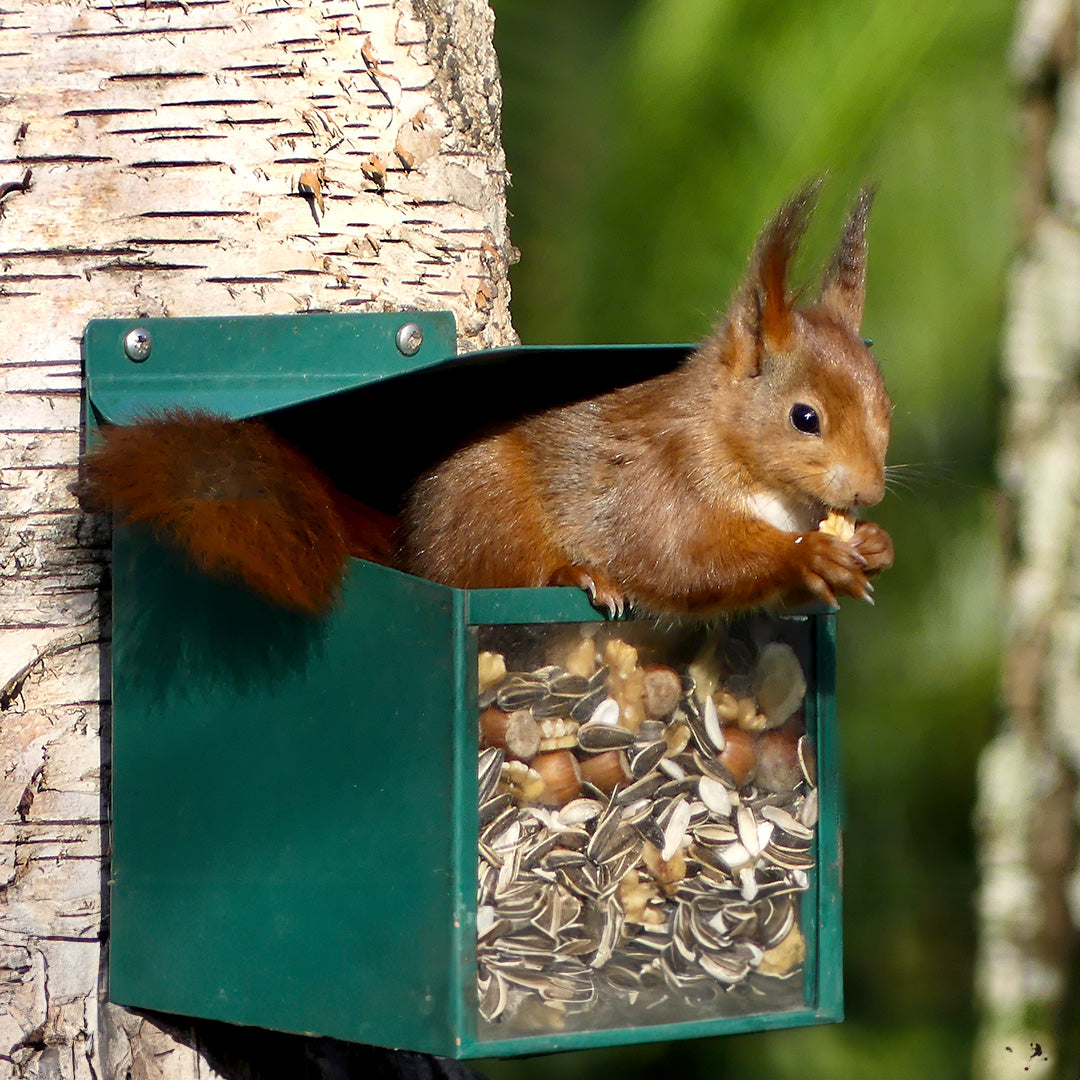
After a few minutes, turn your attention from sound to movement. Instead of constantly looking around, allow your eyes to rest on one area of the woodland and wait for movement to reveal itself. A robin may move between branches, an insect may cross a nearby trunk or a squirrel may appear higher in the canopy. The aim is not to identify every species, but to notice how much activity becomes visible once you stop moving through the landscape.
Remain in your sit spot for the full 10 to 15 minutes if you can. As your own movements and sounds decrease, the woodland often begins to feel increasingly detailed and alive. Before leaving, take a final slow look around and notice what you can now see, hear and feel that escaped your attention when you first sat down.
This simple practice reveals one of the central ideas of Forest Bathing beautifully: the woodland does not suddenly become more alive when we become quiet; we simply become quiet enough to notice how alive it has always been.
The Extraordinary Value of an Ordinary Woodland
One of the most beautiful lessons Forest Bathing can offer Britain is that none of this requires a famous forest. We have become accustomed to searching for extraordinary nature, travelling to viewpoints, national parks and celebrated landscapes, often feeling that meaningful contact with the natural world must happen somewhere far from everyday life.
Forest Bathing gently challenges that assumption. A small community woodland can be enough, as can a wooded riverside, an old copse beyond the edge of town or a quiet corner of a local park where mature trees have been standing unnoticed for generations. Indeed, there is a particular value in practising somewhere ordinary enough to revisit.
Return to the same place in February and May, then again in August and November. Watch the canopy close and reopen. Notice which birds arrive and which become quiet. Observe the first fungi and the last leaves, discover where water gathers after heavy rain and which patches of moss remain green through winter. Eventually, you stop visiting 'a woodland' and begin visiting this woodland. You recognise individual trees, certain sounds become familiar and you notice when something has changed.
This is where Forest Bathing reaches beyond the language of stress reduction and wellbeing. Biodiversity loss, habitat fragmentation and climate change are enormous concepts, and although they matter deeply, they can feel distant from everyday life. Knowing one woodland changes that. Experience gives knowledge somewhere to attach itself.
Perhaps that is ultimately what Forest Bathing has to offer: not a promise that every visit among trees will transform our health, not a mystical cure and not another wellbeing trend, but something quieter and more enduring. It teaches us how to pay attention again.
When we pay attention, a tree stops being part of the scenery and becomes an individual presence. A fallen log becomes habitat, birdsong becomes communication rather than background noise, and a patch of moss becomes something remarkable enough to touch carefully rather than walk past. The forest becomes less anonymous, and when the natural world is no longer anonymous, it becomes much harder not to care about what happens to it.
Attention creates familiarity. Familiarity creates connection. Connection creates care. Perhaps that is why Forest Bathing feels so relevant today: we may enter the woodland hoping to reconnect with ourselves, and sometimes, without realising it, we reconnect with everything else as well.

Jörg Sprave
Forest Bathing Instructor
Treeming