Feeding garden birds should be one of the safest and most rewarding ways to connect with nature. Yet every feeder, bird table, and water dish also carries responsibility. Dirty bird feeders can spread disease quickly between birds gathering in close contact. The good news is simple: with regular cleaning and a few easy habits, you can keep your garden visitors healthy, thriving, and returning safely throughout the year.
Why Bird Feeder Hygiene Matters
Watching birds gather around feeders brings enormous joy. A robin waiting by the kitchen door, goldfinches chattering over sunflower hearts, or a flock of sparrows descending in a blur of wings creates a genuine connection to the natural world. Feeding birds also helps many species survive periods of food shortage, harsh weather, habitat loss, and the growing pressures of urban life.
But whenever birds gather closely together, disease can spread more easily, just as it can anywhere animals congregate naturally.
Bird feeders themselves are not ‘bad’ or harmful. Poor hygiene is the real problem.
The RSPB’s latest feeder hygiene guidance warns that diseases such as trichomonosis can spread rapidly where birds gather closely around contaminated food and water. The charity describes poorly maintained feeders as potential “parasite hotspots” if droppings, damp seed, and saliva are allowed to build up.
Meanwhile, the BTO’s best practice advice for feeding birds safely explains that garden feeders can increase disease transmission because birds congregate at much higher densities than they naturally would in the wild.
Old food, damp seed, droppings, saliva, and muddy feeding areas create perfect conditions for bacteria, fungi, parasites, and viruses to spread between birds. In busy gardens, a single dirty feeder can potentially infect dozens of visitors in a short period of time.
The reassuring part is this: responsible feeding works. Clean feeders save lives. Our advise is Feed. Care. Protect.
Feed birds, but do it responsibly.
Care enough to watch for signs of illness.
Protect them by acting quickly when it matters most.
At Ark Wildlife, we’ve always believed feeding birds should support nature, not unintentionally harm it. Good hygiene allows people and wildlife to continue benefiting from one another, healthy birds, healthier gardens, and the simple joy wildlife brings into everyday life.

Do Bird Feeders Spread Disease?
Yes, bird feeders can spread disease if they are not cleaned regularly.
This doesn’t mean people should stop feeding birds. In fact, organisations including the RSPB continue to support bird feeding when carried out responsibly.
The problem occurs when:
- Feeders become coated in droppings
- Wet food begins to rot or grow mould
- Birds feed shoulder-to-shoulder in overcrowded areas
- Sick birds contaminate feeding surfaces
- Water dishes become stagnant
Under these conditions, diseases can move rapidly through local bird populations.
Common illnesses associated with dirty feeders include:
- Trichomonosis – often affecting greenfinches and chaffinches
- Salmonella – causing lethargy and swollen birds
- Avian pox – producing wart-like growths
- E. coli and bacterial infections
- Fungal infections from mouldy food
These diseases are not caused by feeding birds itself - they spread through poor hygiene and overcrowding.
Do Bird Feeders Spread Bird Flu or Avian Flu?
This is one of the most searched bird feeding questions in recent years.
Current guidance suggests the risk of garden bird feeders spreading avian influenza between small garden birds is considered relatively low. Waterfowl and seabirds are the primary carriers associated with outbreaks.
However, hygiene remains critically important.
Bird flu viruses, like many pathogens, survive more easily in damp organic matter such as droppings and contaminated water. Cleaning feeders regularly reduces all disease risks, not just avian influenza.
If there are official local restrictions during outbreaks, always follow government guidance.
For most gardens, the safest approach is simple:
- Clean feeders frequently
- Rotate feeding areas
- Remove wet or mouldy food
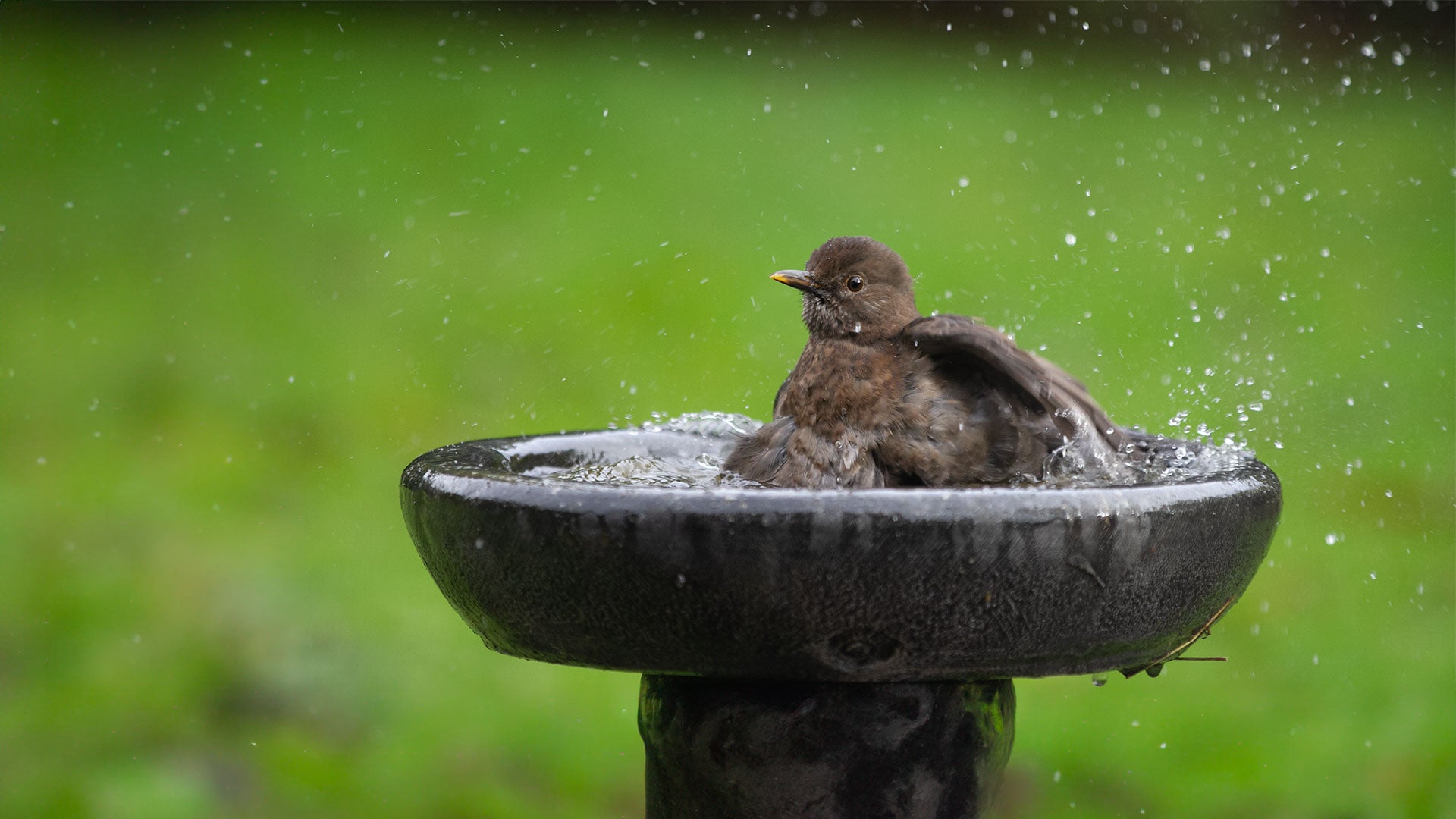
- Clean bird baths daily
- Temporarily pause feeding if sick birds appear
Responsible feeding remains beneficial to birds overall.
The current focus among bird welfare organisations including the RSPB is less about stopping feeding altogether and more about “feeding safely”. Good hygiene, seasonal feeding adjustments, feeder rotation, and preventing overcrowding are now considered essential parts of responsible bird care.
How Often Should You Clean Bird Feeders?
Ideally:
- Feeders: at least once per week
- Bird baths and water dishes: every few days
- Ground feeding areas: regularly cleared of old food and droppings
During warm weather or wet conditions, cleaning may need to happen more frequently because bacteria multiply faster.
Busy feeders used by starlings, sparrows, pigeons, or finches often require extra attention because large flocks create more contamination.
A useful rule is this:
If you wouldn’t eat from it, birds shouldn’t either.
The RSPB recommends cleaning bird feeders at least weekly, alongside regularly moving feeding locations to prevent droppings and discarded food building up underneath. During warm or wet weather, more frequent cleaning may be necessary.
How to Clean Bird Feeders Properly
Cleaning bird feeders is straightforward and takes only a few minutes.
Step 1: Empty Old Food
Discard leftover seed, husks, or wet food.
Step 2: Scrub Thoroughly
Use hot water and a dedicated brush to remove droppings and debris.
Step 3: Disinfect Safely
Use a bird-safe disinfectant such as Ark-Klens or a mild disinfectant recommended for wildlife equipment.
Avoid strong household chemicals that may leave harmful residues.
Step 4: Rinse Well
Any cleaning product residue can harm birds.
Step 5: Dry Completely
Allow feeders to dry before refilling to prevent mould growth.
The Most Hygienic Types of Bird Feeders
Some feeders are naturally easier to keep clean than others.

The best bird feeders to prevent disease usually include:
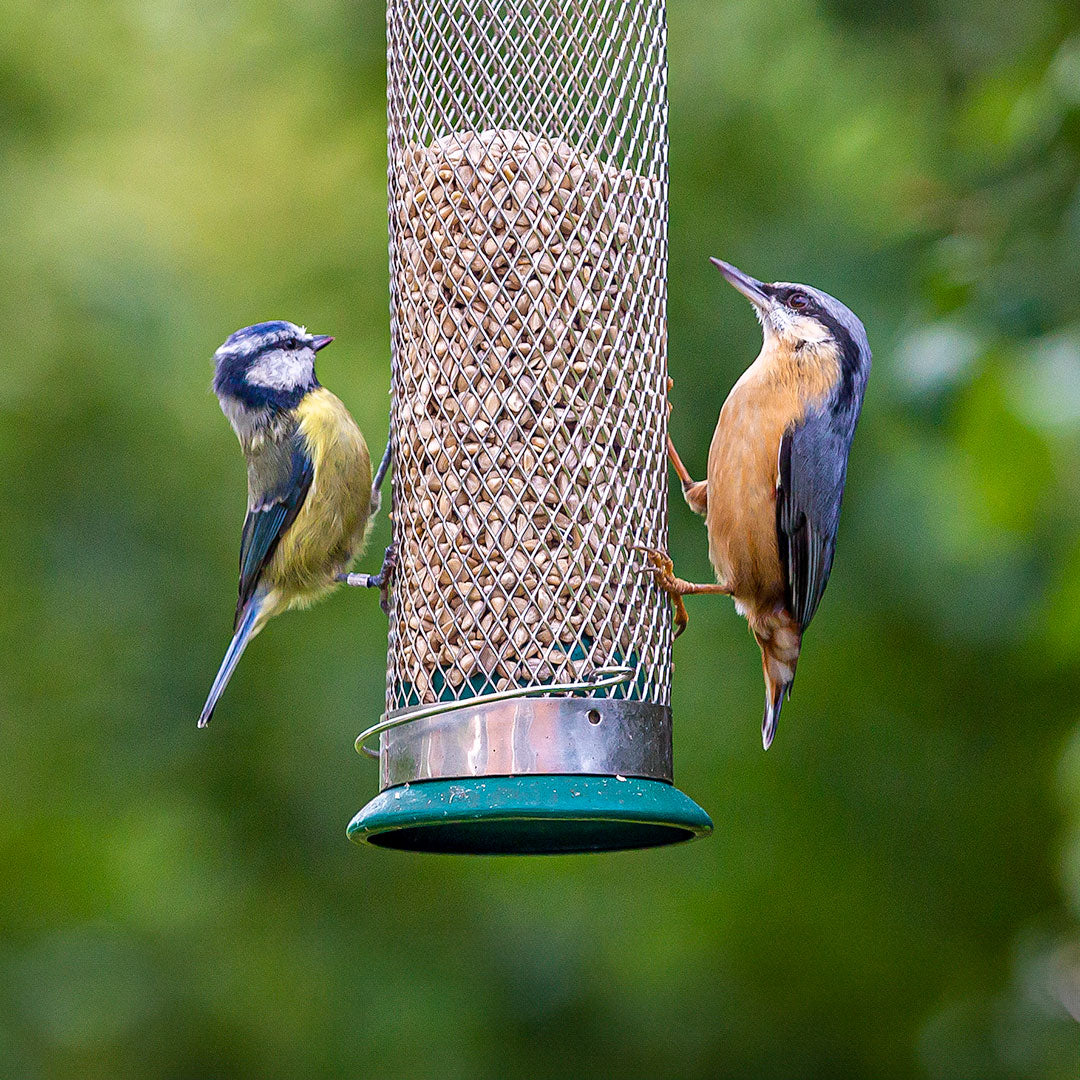
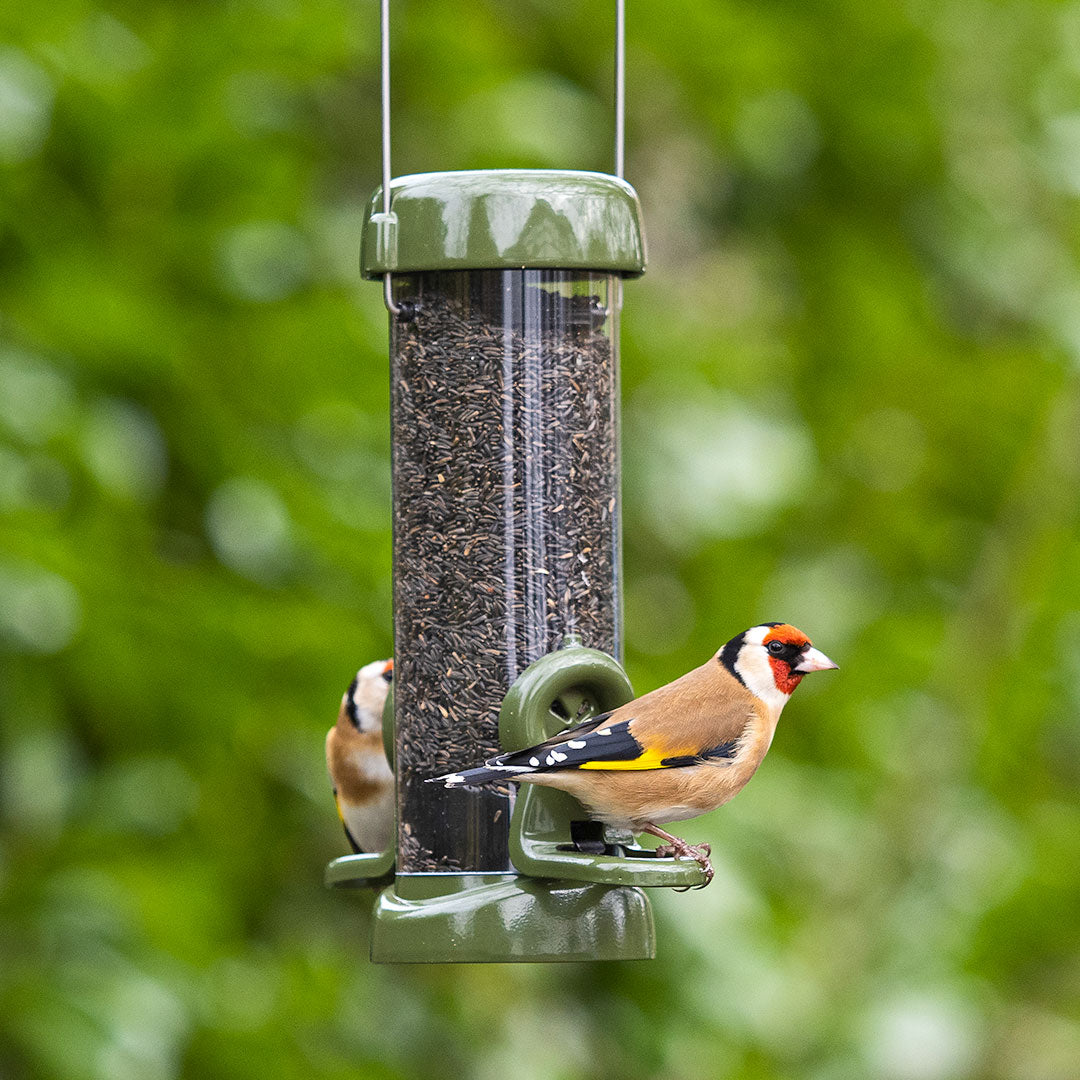
- Feeders with drainage holes to prevent damp seed
- Easy-clean feeders with removable bases
- Metal feeders that disinfect more thoroughly
- Feeders with fewer perches to reduce contamination
- Separate feeding stations to avoid overcrowding
Recent guidance from the RSPB has also advised avoiding traditional flat bird tables where possible, as shared surfaces can allow droppings, saliva, and damp food to accumulate more easily than hanging feeders. Feeders designed to stay dry, drain efficiently, and dismantle for cleaning are increasingly considered best practice for modern bird care.
At Ark Wildlife, we strongly recommend choosing feeders designed specifically for easy hygiene and maintenance, not simply appearance.
Signs of Disease to Watch For
Most garden birds are healthy, active, and resilient. But responsible bird feeding means remaining observant too.
Watch for birds that appear:
- Fluffed up for long periods
- Lethargic or weak
- Struggling to swallow
- Breathing heavily
- Sitting quietly beneath feeders
- Showing swollen eyes or growths
Greenfinches suffering from trichomonosis, for example, often appear unable to swallow food properly, drooling or repeatedly attempting to eat unsuccessfully.
If you notice several sick birds:
- Stop feeding temporarily for 1–2 weeks
- Clean all feeders thoroughly
- Disinfect bird baths
- Clear away dropped food
This short pause can help break the cycle of transmission.
Why Feeding Birds Still Matters
Despite concerns about disease, feeding birds remains hugely valuable.
Modern gardens as well as the wider countryside often lack the natural seed heads, insects, muddy puddles, and wild corners birds once relied upon. Supplementary feeding helps many species survive difficult periods, particularly during nesting season, cold weather, and drought.
More importantly perhaps, feeding birds reconnects people with nature.
Children learn their first species. Adults notice seasonal change. Elderly or isolated people find companionship through wildlife at the window. Daily feeding routines become grounding, calming, and meaningful.
Clean feeding isn’t just about preventing illness, it’s about creating a healthier relationship between people and wildlife.

Creating a Safer Feeding Garden
Healthy feeding goes beyond simply cleaning feeders. You can reduce disease risks further by:
- Spreading feeders around the garden
- Providing multiple feeding heights
- Rotating feeding locations
- Keeping feeding areas dry
- Offering fresh water daily
- Avoiding overcrowding
- Clearing husks and waste food regularly
A well-managed feeding garden behaves more like nature itself, dispersed, cleaner, and less stressful for birds.
Final Thoughts
Every bird that lands on a feeder is placing trust in the environment we create. Clean food, fresh water, and safe feeding spaces help birds thrive through every season.
The good news is that preventing disease doesn’t require complicated routines or constant worry. A few simple habits, regular cleaning, fresh food, and careful observation, make an enormous difference.
At Ark Wildlife, we believe feeding birds should always feel hopeful, rewarding, and deeply connected to nature. Done properly, it remains one of the best ways to support wildlife while bringing life, movement, and birdsong into our gardens every single day.
Bird Feeder Hygiene FAQs
Do bird feeders spread disease?
Yes, dirty bird feeders can spread diseases between birds through contaminated food, droppings, and saliva. Regular cleaning dramatically reduces risk.
Do you need to clean bird feeders?
Absolutely. Bird feeders should ideally be cleaned weekly to prevent harmful bacteria, parasites, and mould build-up.
Can bird feeders spread avian flu?
The risk of transmission between small garden birds is considered low, but maintaining good hygiene practices, helps reduce all disease transmission risks.
How often should bird feeders be cleaned?
At least once a week, or more often during wet weather, warm temperatures, or heavy used feeders.
What’s the safest way to clean bird feeders?
Use hot water, a feeder brush, and a bird-safe disinfectant. Rinse thoroughly and allow feeders to dry completely before refilling.
What bird feeders are most hygienic?
Easy-clean feeders with removable bases, drainage holes, and metal construction are typically the safest and easiest to disinfect.
Should I stop feeding birds if I see a sick one?
If you see sick birds in your garden, temporarily stop feeding for 1–2 weeks and thoroughly disinfect feeding areas to help prevent further spread.
Can mouldy bird seed make birds ill?
Yes. Damp or mouldy seed can cause fungal infections and respiratory illness. Always remove wet food promptly.
Is feeding birds still safe?
Yes, when feeders are cleaned regularly and feeding areas are properly maintained, bird feeding remains safe and highly beneficial for wildlife.