Most of us know what a poorly bird looks like: fluffed-up feathers, a quiet demeanour, difficulty breathing or simply looking unlike itself. Birds can suffer from many of the same broad types of illness as other animals, although the diseases themselves are often very different. Here we look at the most common diseases affecting UK garden birds, how they spread, and what you can do to help.
Seeing a sick bird in your garden can be unsettling. Perhaps it is sitting quietly beneath a feeder, looking fluffed up and lethargic, or you may have noticed something unusual around its beak, eyes or legs.
The first thing to remember is that not every poorly-looking bird has a contagious disease. Birds may be injured, exhausted, suffering from parasites, poisoned, malnourished or simply affected by old age.
And, just like us, birds can suffer from several different types of illness.
Some diseases are caused by bacteria, others by viruses, fungi or microscopic parasites. There are also non-infectious problems caused by toxins, nutritional deficiencies, injuries and environmental conditions.
Some bird diseases can potentially affect humans or domestic animals. Others are highly specific to birds and pose no known risk to people.
This distinction is important. A sick bird is not automatically a threat to your family, and good garden hygiene is usually all that is required to keep sensible risks low.
A Simple Guide to Bird Diseases
Throughout this guide, we’ll use a simple system to explain each condition:
Cause: Bacteria, virus, fungus, parasite or other
Spread: How the condition is transmitted
Risk to people: Whether it can affect humans
Garden advice: What you can do
This makes it easier to understand which diseases require particular care and which are simply part of the natural health challenges faced by wild birds.
What Are the Common Diseases Found in Birds?
The diseases most relevant to people feeding birds in UK gardens are trichomonosis, salmonellosis, avian pox and aspergillosis, alongside several other conditions such as chlamydiosis, Suttonella infection and parasites affecting the legs and feathers.
The Garden Wildlife Health project currently monitors a number of diseases in British garden wildlife, including avian pox, chlamydiosis, Escherichia albertii, leg abnormalities in finches, salmonellosis, Suttonella ornithocola and trichomonosis.
For the person watching birds from the kitchen window, the most useful skill is not necessarily diagnosing a disease from a photograph. It is recognising when something looks wrong, maintaining good feeder and bird bath hygiene, and knowing when to temporarily stop feeding or report an unusual number of sick or dead birds.
Wild Bird Diseases
How Do Birds Get Avian Pox?
Cause: Virus
Spread: Insect bites, bird-to-bird contact and contaminated feeding surfaces
Risk to people: No known risk to humans or other mammals
Avian pox is a viral disease occasionally seen in British garden birds. It causes distinctive wart-like or tumour-like growths, often around the eyes, beak, legs or wings. The growths can become large enough to interfere with feeding, vision or movement. Cases occur sporadically in the UK, with Great Tits among the species increasingly affected in late summer.
Good hygiene around feeders and feeding surfaces can help reduce transmission.
Garden advice: Clean feeders regularly and avoid allowing contaminated food or droppings to build up.

Trichomonosis in Birds
Cause: Protozoan parasite, Trichomonas gallinae
Spread: Contaminated saliva, food and water
Risk to people: No known human health risk
Trichomonosis is one of the most important diseases affecting UK garden birds, particularly finches. Greenfinches and Chaffinches have been especially badly affected since the disease emerged in British finches in 2005. Other species, including House Sparrows, Goldfinches, Siskins and Bullfinches, can also be infected.
Look for difficulty swallowing, drooling, regurgitation, wet feathers around the beak, lethargy and severe weight loss.
Garden advice: Excellent feeder and bird bath hygiene is essential. If you see several sick birds, temporarily stop feeding to help break the cycle of transmission.
Read more: How to Prevent Trichomonosis in Birds

Salmonellosis in Birds
Cause: Bacterium, Salmonella
Spread: Mainly through infected droppings contaminating food and water
Risk to people: Some strains can infect humans and domestic animals
Salmonellosis is another important disease affecting garden birds. In Great Britain it particularly affects gregarious, seed-eating species, with Greenfinches and House Sparrows among those most frequently impacted. Chaffinches, Goldfinches, Bullfinches and Siskins can also be susceptible. Outbreaks are more commonly reported during winter.
Birds may appear fluffed up and lethargic, although these symptoms overlap with several other diseases and diagnosis normally requires laboratory examination.
Garden advice: Keep feeding stations clean and prevent droppings from accumulating around food and water.

What Causes Aspergillosis in Birds?
Cause: Fungus, usually Aspergillus species
Spread: Inhalation of fungal spores
Risk to people: The disease is primarily an avian problem, although some Aspergillus fungi can affect people, particularly those with underlying health vulnerabilities
Aspergillosis is caused by fungi that are widespread in the environment. Birds can inhale spores from mouldy vegetation, damp food, contaminated bedding or other organic material. Healthy birds can usually cope with environmental exposure, but stressed or weakened birds may become seriously ill.
This is one reason fresh, dry bird food matters. A bag of damp or mouldy seed is not something to leave out until it gets eaten.
Garden advice: Remove wet or mouldy food immediately and keep feeders dry.
Do House Sparrows Carry Diseases?
Cause: Not a specific disease
Spread: Depends entirely on the infection involved
Risk to people: Some infections carried by wild birds can potentially affect humans
House Sparrows deserve a separate mention because they are sociable birds that often gather in groups around feeders. This behaviour can increase opportunities for diseases to pass between individuals when contaminated food, water or surfaces are shared.
Salmonellosis particularly affects gregarious seed-eating birds such as House Sparrows, while trichomonosis can also affect them.
Myth buster: Just because house sparrows are often seen dust bathing, this does not make them inherently ‘dirty’ birds. They are simply using dust in place of water to manage parasites and oily feathers.
Garden advice: Enjoy your Sparrows, but wash your hands after cleaning feeders and keep feeding equipment away from household food preparation areas.
Do Robins Carry Diseases?
Cause: Robins can carry various microorganisms, but they are not inherently disease carriers
Spread: Depends on the particular infection
Risk to people: Generally very low with normal garden hygiene
Robins are sometimes included in online lists of 'birds that carry diseases', but this can make an innocent garden visitor sound far more dangerous than it is. Robins can become infected with some of the same diseases as other wild birds, but there is no reason to regard a Robin visiting your garden as a special health risk.
The sensible approach is the same as with every garden bird: clean feeding and drinking areas regularly and wash your hands thoroughly after cleaning.
Other Bird Health Problems Worth Knowing
Not every common problem seen in garden birds is an infectious disease.
Scaly Leg and Leg Mites
Scaly leg is caused by microscopic mites that burrow into the skin of a bird's legs and feet. Affected birds develop thickened, crusty or raised scales, which can become increasingly pronounced.
It is particularly noticeable in some finches and can affect other garden birds too.
Cause: Parasitic mite
Spread: Contact between birds
Risk to people: No significant human health risk
Birds with severe leg abnormalities should not be handled or treated by gardeners themselves. If you regularly see affected birds, report them through Garden Wildlife Health.
Fleas, Ticks and Feather Mites
Wild birds can carry a variety of small external parasites, including fleas, ticks and feather mites. Most are highly specialised to birds and spend much of their lives on or around their host. Feather mites, for example, live among the feathers and feed on skin debris, oils and other material. Their presence does not automatically mean a bird is unwell.
Ticks are more noticeable because they attach to the skin and can become swollen as they feed. Birds can pick them up while foraging through vegetation, particularly in areas with long grass and dense undergrowth. Fleas and other biting parasites can also cause irritation, although healthy birds generally cope with low parasite burdens naturally.
For gardeners, there is usually no need to treat wild birds or their habitat for these parasites. Good general garden hygiene, healthy feeding and bathing practices, and allowing birds to maintain their natural behaviours are the best approach.
Cause: External parasites
Spread: Direct contact, vegetation and shared nesting or roosting sites
Risk to people: Generally low, as most bird parasites are host-specific
Garden advice: Maintain good bird feeder and bird bath hygiene and avoid handling wild birds unless necessary.
Myth Buster: Finding a tick or a few mites on a bird is not the same as finding evidence of a serious disease. Parasites are a normal part of wildlife, and their presence alone does not mean intervention is needed.

Canker in Pigeons and Doves
‘Canker’ is the familiar name for trichomonosis when it affects pigeons and doves.
It is caused by the same protozoan parasite, Trichomonas gallinae, and produces lesions in the throat and gullet which make swallowing difficult. Birds of prey can also become affected after eating infected birds, where the condition is sometimes called frounce.
Cause: Protozoan parasite
Spread: Saliva and contaminated food or water
Risk to people: No known human health risk
So, despite the different names, canker and avian trichomonosis are closely connected rather than two completely separate diseases.
Suttonella Infection
Suttonella infection is a bacterial disease recognised in British garden birds, particularly Blue Tits.
Affected birds may become lethargic, fluffed up and reluctant to move. Some are found dead with little warning.
Cause: Bacterium, Suttonella ornithocola
Spread: Not fully understood
Risk to people: No known significant human health risk
Because the symptoms can be non-specific, it is not possible to identify Suttonella infection reliably simply by looking at a sick bird.
Chlamydiosis in Garden Birds
Chlamydiosis is caused by Chlamydia psittaci, a bacterium that can infect birds and, importantly, can also infect humans.
It is not one of the diseases most people will encounter while watching ordinary garden birds, but it is a useful reminder of why basic hygiene matters.
Cause: Bacterium
Spread: Respiratory secretions and contaminated droppings
Risk to people: Yes, infection can occur, although human illness associated with garden birds is uncommon
Avoid handling sick or dead birds with bare hands and wash your hands thoroughly after cleaning bird feeding equipment.
Do Bird Nests Carry Diseases?
Bird nests can contain droppings, parasites, feathers, bacteria and other microorganisms, particularly after the breeding season when a nest has been used repeatedly.
That does not mean old nests are inherently dangerous. They are part of the natural garden ecosystem and may themselves support insects and other wildlife.
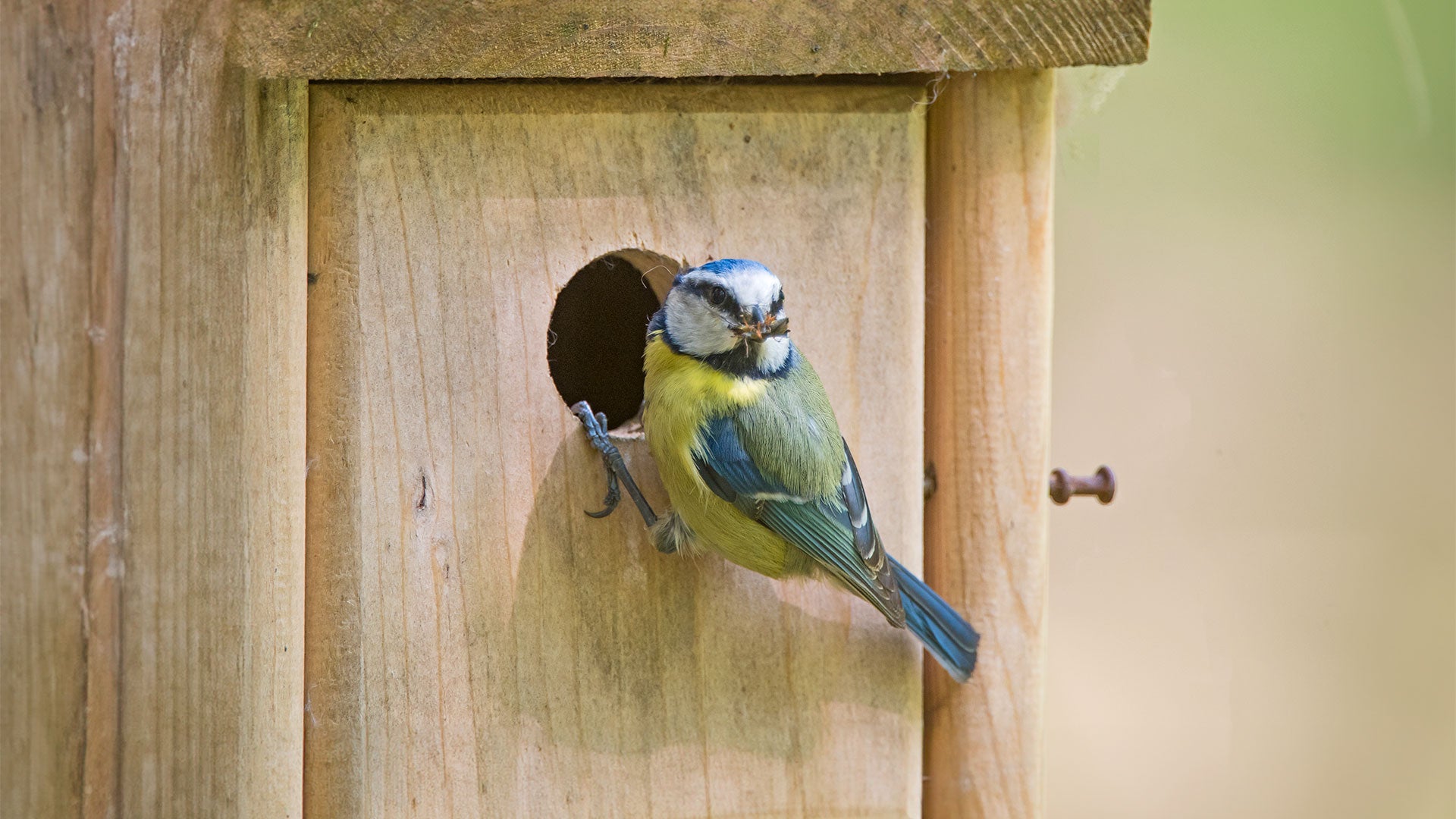
The sensible approach is to avoid unnecessary contact. If you need to clean a nest box, wear gloves plus a face mask, avoid bringing nesting material indoors and wash your hands afterwards.
Never disturb an active nest containing eggs or chicks.
Do Birds Carry Diseases in Their Feathers?
Yes, feathers can become contaminated with microorganisms, droppings or parasites, but this is very different from saying that touching a bird feather is inherently dangerous.
Avian influenza viruses, for example, can remain infectious in contaminated feathers and faeces under suitable conditions. GOV.UK advises avoiding unnecessary contact with sick or dead wild birds and following appropriate hygiene precautions if contact cannot be avoided.
For everyday garden bird feeding, simply wash your hands after cleaning feeders or handling anything contaminated with bird droppings.
Do Garden Birds Get Bird Flu? Am I at Risk?
Yes, wild birds can contract avian influenza, commonly called bird flu. However, the risk should be kept in perspective.
Government guidance states that avian influenza is not often found in small garden birds, including Blackbirds, Robins, Tits, Finches, Magpies, Collared Doves and Woodpigeons.
The greater concern is contact with infected dead or visibly sick birds, particularly waterfowl and other species known to be affected during outbreaks.
For people enjoying garden birds, sensible precautions are enough. Do not pick up sick or dead birds with bare hands, keep pets away from carcasses, and follow current GOV.UK advice during outbreaks.
Myth Buster: “Bird flu means I should stop feeding all garden birds.”
Not necessarily. Bird flu and garden feeder diseases are different issues. Current BTO advice places particular emphasis on reducing disease transmission at feeding stations, especially finch trichomonosis, through seasonal feeding and improved hygiene.
How Can I Help Prevent Disease in Garden Birds?
There is a reassuring side to all this information: good bird care is good disease prevention.
The biggest practical problem in many gardens is not the presence of a particular disease. It is the opportunity for lots of birds to gather closely around contaminated food, water and surfaces.
Keep feeders clean and allow them to dry properly before refilling. Replace bird bath water frequently and scrub away organic build-up. Remove damp or mouldy food, keep the area underneath feeders clean and avoid allowing large amounts of food to accumulate on the ground.
If you see several sick birds, particularly finches with classic signs of trichomonosis, consider temporarily stopping feeding and water provision to disperse birds naturally.
BTO's current advice, updated in 2026, recommends seasonal adjustments to feeding as a proportionate way of reducing finch trichomonosis risk: seeds and peanuts from November to April, with these foods paused from May to October, while mealworms and fat or suet can continue year-round. Good food and water hygiene remains important.
The advice may evolve as research continues, so it is worth checking current guidance rather than relying on an old rule remembered from years ago.
Frequently Asked Questions About Bird Diseases
What is the most common disease affecting garden birds in the UK?
There isn't one disease that affects every garden bird every year. Trichomonosis is particularly significant in British finches, while salmonellosis is also an important disease of gregarious seed-eating birds. Avian pox occurs sporadically, and a range of other bacterial, fungal and parasitic conditions are also monitored.
What disease causes a bird to look fluffed up?
Fluffed-up feathers are a general sign that a bird may be unwell rather than a symptom of one specific disease. Trichomonosis, salmonellosis and other infections can all cause lethargy and fluffed plumage. Cold weather can also make a healthy bird temporarily fluff its feathers to conserve heat.
Which UK garden birds are most affected by trichomonosis?
Greenfinches and Chaffinches are among the species most frequently affected. House Sparrows, Goldfinches, Siskins and Bullfinches can also become infected, as can some other garden birds.
Is salmonella dangerous to garden birds?
Yes, Salmonellosis can cause serious illness and death in wild birds. It is particularly associated with gregarious seed-eating species and is more commonly reported during winter. Some Salmonella strains affecting wild birds can also infect humans and domestic animals, which makes good hygiene particularly important.
What is the difference between trichomonosis and avian pox in finches?
They are completely different diseases. Trichomonosis is caused by a microscopic protozoan parasite and primarily affects the throat and gullet, causing difficulty swallowing. Avian pox is caused by a virus and produces wart-like growths, commonly around the eyes, beak, wings or legs. Neither is the same disease as avian influenza.
Are bird diseases more common in winter than summer?
Some are. Salmonellosis in garden birds is more commonly reported during winter, when birds gather closely around food and water and environmental conditions can favour transmission. Trichomonosis can occur throughout the year, however, and current BTO evidence highlights the post-breeding period as an important time for disease transmission at feeding stations.
Can humans catch diseases from garden birds?
Some diseases carried by birds can infect humans, including certain Salmonella infections and Chlamydia psittaci. However, the risk from ordinary garden bird watching is generally low. Sensible hygiene, particularly washing hands after cleaning feeders and avoiding contact with sick or dead birds, is the best protection.
Should I stop feeding birds if I see a sick bird?
If you see several sick birds, particularly multiple finches showing signs associated with trichomonosis, temporarily stopping feeding can help disperse birds and reduce transmission. Clean feeders and baths thoroughly before considering their reintroduction.
Should I report sick garden birds?
Yes, particularly if you notice several sick or dead birds or an unusual cluster of disease. Garden Wildlife Health collects reports to help researchers understand disease patterns in British wildlife. Reporting can contribute to national disease surveillance.
Final Thoughts
A sick bird can be difficult to watch, but disease is part of the natural world and doesn't mean your garden is unsafe. With clean feeders, fresh water, good observation and sensible hygiene, you can continue enjoying garden birds while helping keep them healthy.